Your PC’s built-in audio is a compromise. For gaming, music production, or simply enjoying high-resolution streaming, a dedicated sound card transforms your listening experience. Whether you need pristine DAC performance, immersive surround sound, or a compact external solution, the best high-end sound cards deliver clarity and power that onboard audio simply cannot match. In this guide, we evaluate the top models available in 2026 to help you find the perfect upgrade for your setup.
If you are new to dedicated audio hardware, check out our comprehensive guide to audiophile sound cards for a deeper look at what makes these components worth the investment.



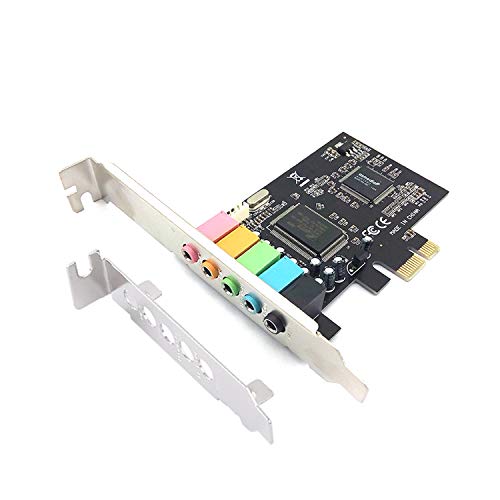
Buying Guide: What to Look for in a High-End Sound Card
Audio Fidelity and DAC Quality
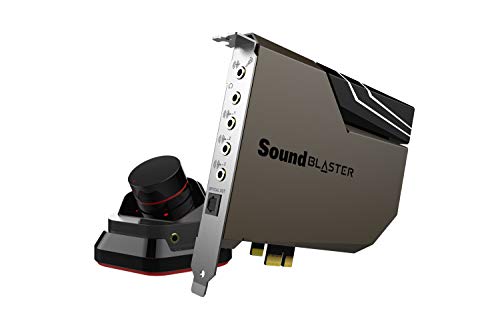
The digital-to-analog converter (DAC) is the heart of any sound card. Higher-end models use premium DACs like the ESS SABRE 9018 found in the Creative Sound Blaster AE-7, which supports 32-bit/384kHz playback and delivers a signal-to-noise ratio above 127 dB. For lossless audio and studio-grade clarity, prioritize cards with dedicated DAC chips and high dynamic range.
For more on how DAC quality affects your listening, see our best home theater sound cards roundup, which covers models optimized for cinematic audio.
Connectivity and Channel Support
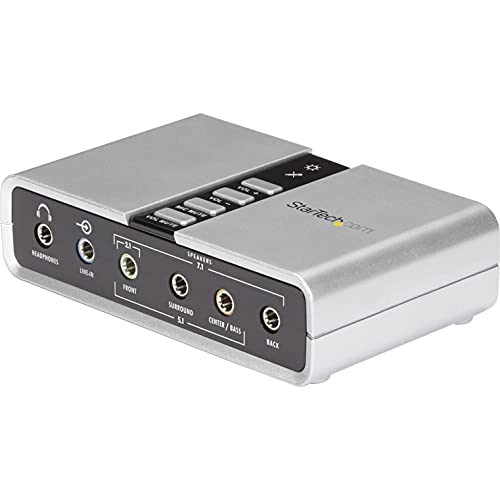
Consider how you connect your speakers or headphones. Internal PCIe cards like the Creative Sound Blaster Audigy Fx Pro provide discrete 7.1 analog outputs and SPDIF for home theater systems. External USB sound cards, such as the StarTech 7.1 USB Audio Adapter, offer plug-and-play convenience and are ideal for laptops or compact desktops. If you need surround sound for gaming or movies, look for true 5.1 or 7.1 channel support with discrete outputs.
For more on connectivity options, browse our Cards category for additional audio and graphics solutions.
Compatibility and Software
Ensure the sound card works with your operating system. Most modern cards support Windows 10 and 11, but some older models may lack drivers for newer systems. Cards like the Cubilux 7.1 USB Surround Sound Card are plug-and-play with no drivers needed, while Creative cards require the Sound Blaster Command software for full customization. If you use Linux or macOS, check for native support before buying.
For a broader look at PC components that pair well with high-end audio, see our best graphics cards with 8GB VRAM guide.
Build and Design
High-end sound cards often feature robust construction. The Cubilux model uses a full aluminum alloy housing to reduce electromagnetic interference, while Creative’s AE-7 includes an external Audio Control Module with a volume knob and headphone jacks. For internal cards, low-profile brackets are available for smaller cases. A well-built card not only sounds better but also lasts longer.
If you’re concerned about thermal management in your PC, our top graphics cards with waterblocks article offers insights into cooling solutions that complement high-performance builds.
Final Thoughts
Choosing the best high-end sound card depends on your priorities: for uncompromising audio fidelity and headphone amplification, the Creative Sound Blaster AE-7 Hi-Res PCIe stands out with its ESS DAC and Xamp bi-amp technology. If you need a versatile, external solution for multiple devices, the StarTech 7.1 USB Audio Adapter delivers reliable 7.1 surround sound with easy setup. Both models represent the pinnacle of PC audio in 2026, and either will elevate your listening experience significantly.
Frequently Asked Questions
What is the difference between PCIe and USB sound cards?
PCIe sound cards connect directly to the motherboard, offering lower latency and often higher channel counts. USB sound cards are external and portable, making them ideal for laptops or users who switch between computers. Both can deliver high-quality audio; the choice depends on your setup and mobility needs.
Do I need a high-end sound card for gaming in 2026?
Yes, if you want precise positional audio and immersive surround sound. High-end cards like the Creative Sound Blaster AE-7 provide hardware-accelerated audio that reduces CPU load and supports virtual 7.1 surround on headphones. For competitive gaming, this can give you an edge in hearing footsteps and environmental cues.
Can a sound card improve headphone quality?
Absolutely. A dedicated sound card with a high-quality DAC and headphone amplifier can drive high-impedance headphones (up to 600 ohms) that onboard audio cannot handle properly. This results in cleaner sound, better bass control, and wider soundstage. The Creative AE-7’s Xamp bi-amp is specifically designed for this purpose.
Are external sound cards as good as internal ones?
For most users, yes. External USB sound cards like the StarTech 7.1 offer 7.1 channel support and high sampling rates without opening your PC. They are also immune to internal electrical noise. However, internal PCIe cards can achieve slightly lower latency and often include more advanced software suites. For more on external options, see our best home theater sound cards guide.