

You have just decided to explore the trails, and you need a pack that won’t slow you down. The right hiking backpack makes the difference between a memorable adventure and a miserable one. In this guide, we review four of the best hiking backpacks for beginners in 2026, covering everything from full-size internal frame packs for overnight trips to lightweight hydration vests for day hikes. We have evaluated each pack for comfort, durability, and practical features so you can choose with confidence. If you are also looking for reliable lighting, check out our best headlamp for hiking guide to stay safe after sunset.


Pros
- Durable 1000D nylon construction holds up to rugged use.
- Breathable mesh lining keeps your dog cool during exercise.
- Hidden zippers protect fur and prevent accidental opening.
- Easy to adjust and secure with hook-and-loop belly strap and quality buckles.
- Bright orange color increases visibility for safety.
Cons
- The loose strap ends may dangle and catch on brush.
- Velcro areas can attract dog hair, requiring cleaning.
- May run warm in hot weather despite mesh lining.
The OneTigris Mammoth Dog Backpack is built for medium to large dogs who love outdoor adventures. It's a tactical-style pack that lets your pup carry their own water, food, and toys, making hikes more enjoyable for both of you. This model is especially suited for active owners who want a reliable, comfortable harness that doesn't slip or chafe.
Standout features include the durable 1000D nylon shell and breathable mesh lining, which together withstand rough terrain while keeping your dog cool. The 3L side pouches offer plenty of room for essentials, and each pouch has an exterior umbrella pocket with cross-bungee cords for strapping on extra gear like a jacket or bowl. Real-world users report that the pack stays in place even during vigorous activity, thanks to the adjustable hook-and-loop belly strap and UTX-Duraflex buckles.
Design and build quality are top-notch for the price. The hidden zippers prevent fur from getting caught and keep contents secure, a thoughtful touch that owners appreciate. The reinforced grab handle with a leash clip adds convenience, and the bright orange color improves visibility on trails. Reviewers consistently praise the sturdy materials and smart construction, noting that the pack feels well-made and holds up over time.
There are a few minor drawbacks to consider. Some users mention that the loose strap ends can dangle and occasionally catch on brush, though this is a common issue with adjustable packs. The Velcro areas also tend to attract dog hair, so a quick wipe-down may be needed after use. Additionally, while the mesh lining helps, the pack can still feel warm in hot weather, so it's best for cooler conditions or shorter trips in heat.
Overall, the OneTigris Mammoth Dog Backpack delivers excellent value for active dog owners. It combines durability, comfort, and smart storage in a well-designed package. If you're looking for a reliable way to let your dog carry their own gear on hikes, walks, or runs, this pack is a solid choice that won't disappoint.

Buying Guide for Beginner Hiking Backpacks
Capacity: How Much Space Do You Need?
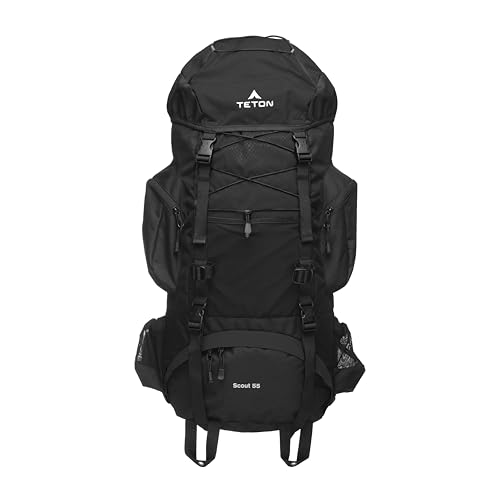
For a beginner, capacity is the first decision. Day hikes typically need 10 to 20 liters, while overnight trips require 40 to 65 liters. The Teton 55L Scout Internal Frame Backpack offers plenty of room for a weekend camping trip, including a sleeping bag compartment and compression straps. If you plan mostly day hikes, a smaller hydration pack like the MIYCOO Hiking Backpack with 2L Water or the Lightweight Hydration Backpack from N NEVO RHINO is more practical. Overpacking is a common mistake; start small and expand as your gear list grows.
Beginners often underestimate how much weight they carry. A pack that is too large encourages you to bring unnecessary items. Stick to the minimum capacity that fits your essentials. For reference, our best headlamp under $50 article can help you choose a lightweight light source that won’t add bulk.
Comfort and Fit: Don’t Let a Bad Fit Ruin Your Hike
A backpack that doesn’t fit properly can cause shoulder pain, chafing, and fatigue. Look for adjustable torso lengths, padded hip belts, and breathable back panels. The Teton 55L Scout features a multi-position torso adjustment and a durable open-cell foam lumbar pad with molded channels for airflow. For smaller packs, check the shoulder strap adjustability: the N NEVO RHINO hydration pack allows straps to fit chest sizes from 19 to 34 inches. Always try on a pack with weight before buying if possible.
Proper fit also involves balancing the load. The hip belt should carry most of the weight, not your shoulders. If you are new to backpacking, consider a pack with an internal frame for better weight distribution. The Teton packs are a great starting point for taller or medium-sized hikers.
Hydration: Built-In Bladder or Bottle Pockets?
Staying hydrated is critical, but how you carry water matters. Many beginners prefer a hydration bladder because it allows hands-free drinking. The MIYCOO pack includes a 2-liter BPA-free bladder with a leak-proof wide opening and an insulated pocket to keep water cold for up to four hours. The N NEVO RHINO pack also comes with a 2-liter bladder. The Teton Scout has a pocket for a hydration reservoir (not included) plus side bottle pockets. If you run hot or hike in warm weather, an insulated bladder pocket is a game changer.
For longer trips, you may want both a bladder and bottle capacity. The Teton’s large volume lets you carry extra water. On shorter hikes, a hydration pack is sufficient. Pair your pack with a reliable light source from our best rechargeable headlamp list for early morning or evening hikes.
Durability and Weather Protection
Your backpack will encounter rain, mud, and rough terrain. Look for reinforced stitching, waterproof or water-resistant fabrics, and a rain cover. The Teton Scout includes a rain cover, which is a huge plus for beginners. The N NEVO RHINO pack uses waterproof and tear-resistant PU coated nylon. The MIYCOO pack is lightweight but may not be as durable for bushwhacking. A broken zipper or torn strap can end a trip early, so invest in quality materials from the start.
Consider the type of hiking you will do. If you expect heavy rain, a pack with a built-in rain cover is essential. If you hike in dry climates, a lighter pack may suffice. For emergency preparedness on overnight trips, also check our best emergency radio for camping guide to stay informed in remote areas.
Final Thoughts
After reviewing these four options, the Teton 55L Scout Internal Frame Backpack stands out for beginners planning overnight trips because of its comfortable fit, generous capacity, and included rain cover. For day hikers and trail runners, the MIYCOO Hiking Backpack with 2L Water offers an excellent value with its insulated hydration system and multiple pockets. Whichever you choose, start with a pack that matches your typical adventure length and weight tolerance, and you will enjoy the trail much more.
Frequently Asked Questions
How do I choose the right size hiking backpack as a beginner? Measure your torso length from the base of your neck to your hip bones. Most packs come in small, medium, or large ranges. The Teton Scout adjusts to fit medium and tall adventurers, while hydration packs like the N NEVO RHINO rely on adjustable shoulder and chest straps. Always check the size chart before buying.
Should I get a hydration bladder or use water bottles? Both work, but a bladder encourages sipping regularly without stopping. For beginners, a pack that includes a bladder (like the MIYCOO) simplifies the process. If you prefer bottles, ensure your pack has accessible side pockets. Many hikers use both for longer days.
What features make a backpack beginner-friendly? Look for an adjustable fit, padded hip belt, multiple compartments, and easy access to water. A rain cover is a bonus. The Teton Scout and MIYCOO packs both offer these features. Also consider weight: a lighter pack reduces fatigue, but durability matters too.
Can I use a hydration pack for overnight trips? A 10 to 12 liter hydration pack works for ultralight overnight trips if you carry minimal gear, but most beginners need a larger pack like the Teton 55L for sleeping bags, extra clothes, and food. For multi-day hikes, consider a pack with an internal frame and at least 40 liters of capacity. For more tips, see our best emergency radio with solar article for staying powered on extended trips.


