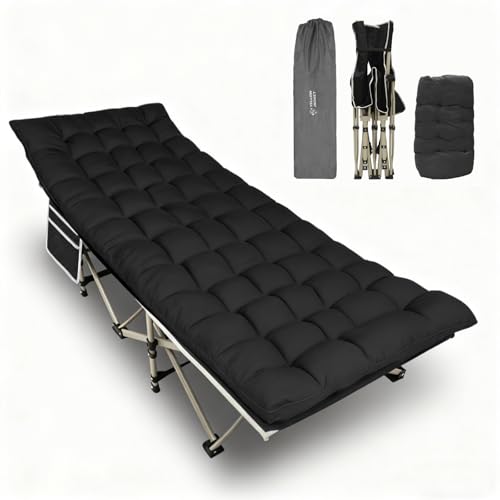
You have just hiked six miles, set up your tent as the sun dips below the pines, and you crawl into your sleeping bag. Then you feel it: a rock digging into your hip, cold ground seeping through your thin foam pad. A restless night of tossing follows, and the next day you are dragging. This is the reality when you choose the wrong sleeping pad. The best inflatable sleeping pad can transform that same scenario into a deep, restorative sleep. By cushioning your body and insulating you from the chill, it keeps you ready for the next day’s trail. In this guide, we assess three standout inflatable sleeping pads that blend comfort, packability, and durability without breaking your budget. Whether you are a weekend car camper or an ultralight backpacker, we have a pick for you. To complete your sleep system, you might also want to check our reviews of the best sleeping bags for adults to pair with your pad.


Buying Guide: What to Look for in an Inflatable Sleeping Pad
Before you click “add to cart,” understand a few critical factors that separate a great pad from a mediocre one. The right choice depends on your camping style, the seasons you hike, and how much weight you are willing to carry.
Weight and Packed Size
For backpackers, every ounce matters. An ultralight pad like the Gear Doctors Ether weights only 17.5 ounces and rolls down to the size of a water bottle. That makes it a perfect companion for multi-day treks. Car campers can afford more weight and thickness, so a heavier pad like the FNARMW model may be a better fit.
Thickness and Comfort
A thicker pad offers better cushioning and insulation from cold ground. The FNARMW pad is a remarkable 5 inches thick, providing hotel-like comfort. The Gear Doctors Ether uses a tapered ErgoCushion design with 3.35 inches at the edges, which hugs your body and prevents rolling off. Side sleepers should prioritize thickness and contouring.
Ease of Inflation and Deflation
Nobody wants to blow up a pad mouth-to-mouth for ten minutes. Look for built-in foot pumps or included pump sacks. The FNARMW and FUN PAC pads feature integrated foot pumps that inflate in 30 to 60 seconds. The Gear Doctors Ether includes a detachable foot pump sack that works in under 90 seconds. Quick-release valves make deflation an instant task.
Durability and Materials
Camping pads take a beating from rocks, twigs, and tent floors. The best inflatable sleeping pads use ripstop nylon or polyester with a TPU coating. The FNARMW pad uses military-grade 50D nylon and claims a 800-pound capacity. Gear Doctors Ether uses 20D nylon with water-resistant TPU and includes a repair kit. If you camp in rugged terrain, prioritize thicker denier fabrics.
For families, see our guide on the best sleeping bag for kids to keep little campers comfortable, too.
Final Thoughts
After evaluating these three pads, we believe the Gear Doctors Ether offers the best balance of ultralight portability and comfort for serious backpackers, while the FNARMW Camping Sleeping Pad wins for car campers who want maximum plushness. Both deliver reliable quality, and choosing between them comes down to how you camp. If you hike far and sleep light, go with the Gear Doctors Ether. If you drive to the site and prioritize a thick, restful sleep, grab the FNARMW Camping Sleeping Pad. Either way, you will wake up refreshed and ready for the trail.
Frequently Asked Questions
How thick should an inflatable camping pad be?
For three-season use, a thickness of 3 to 5 inches is ideal. Thinner pads (under 2 inches) may let you feel rocks and cold spots. Thicker pads offer better insulation and comfort but weigh more. In 2026, many new models like the FNARMW pad provide 5 inches of loft for exceptional comfort.
Can I use an inflatable sleeping pad for backpacking?
Absolutely, as long as you choose a lightweight model. Pads under 20 ounces, like the Gear Doctors Ether, are designed specifically for backpacking. They pack down small and fit easily inside your pack. For more backpacking essentials, browse our outdoor category.
How do I prevent my sleeping pad from deflating at night?
Always fully inflate your pad and ensure the valve is tightly sealed. A drop in temperature can cause air contraction, so add a few extra breaths before bed. Many pads now feature anti-leak valves. Regularly check for punctures and use the included repair patches as needed.
What R-value do I need for cold weather camping?
For summer and mild spring conditions, an R-value of 2.0 is sufficient. For autumn or high-altitude camping, look for an R-value of 4.0 or higher. The Gear Doctors Ether has an R-value of 2, making it a two-season pad. For winter camping, you will need a thick insulated pad.
If you are shopping for a complete sleep system, consider our roundup of best sleeping bags on Amazon to pair with your pad, or check out sleeping bags for couples if you are camping as a duo.