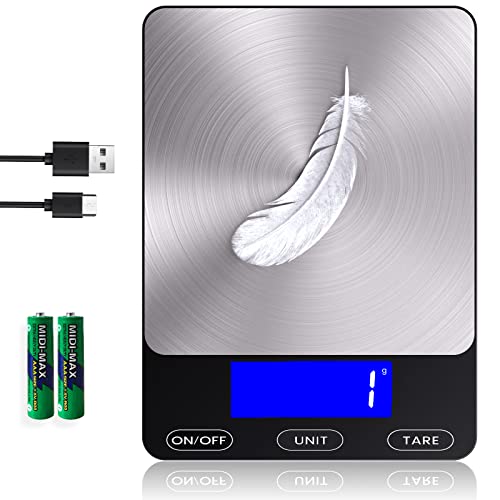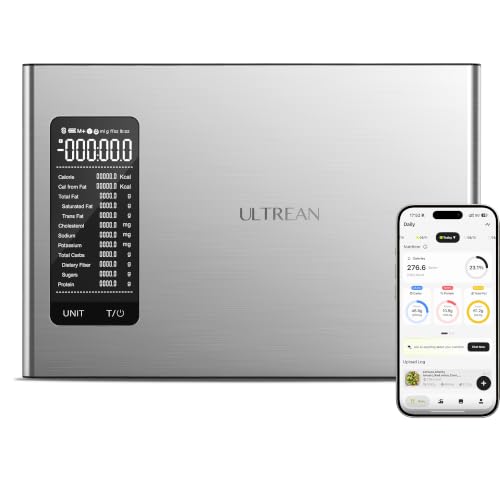
You are following a new recipe for sourdough bread, and it calls for exactly 350 grams of flour. You reach for your measuring cups, but the recipe is in grams, and you know that a cup of flour can vary by 20 grams depending on how you scoop it. This is the moment a reliable kitchen scale becomes your best friend. Whether you are a dedicated baker, a meal prepper, or someone who just wants consistent coffee, the best kitchen scale takes the guesswork out of your daily routine.
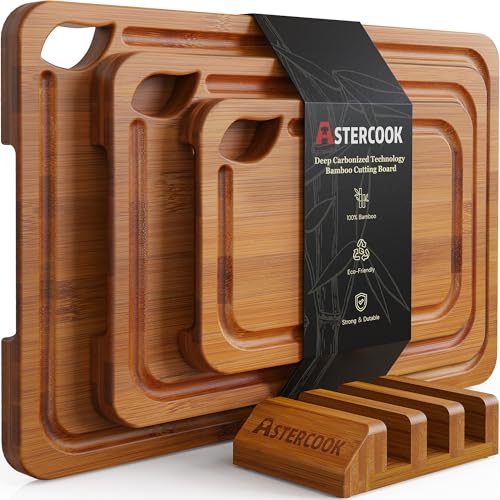
In this guide, we have evaluated five popular digital kitchen scales, from budget-friendly basics to feature-rich models with large capacities. We focused on accuracy, ease of use, durability, and value. If you are also upgrading your kitchen tools, you might be interested in our best cutting board picks to pair with your new scale. Let’s find the scale that fits your cooking style.



How We Evaluated These Kitchen Scales
To bring you this list, we analyzed each scale’s specifications, user feedback, and real-world performance in typical kitchen tasks. We measured accuracy by checking the minimum and maximum weight capacities and the increment precision. We also assessed the build quality, the readability of the display, and the convenience of features like tare and unit conversion.
Our methodology prioritizes what matters to home cooks: reliability, ease of cleaning, and practical functionality. We considered how each scale handles everyday ingredients, from a single gram of yeast to a large bowl of dough. We also looked at power options and storage, because a scale that is hard to store or constantly needs new batteries is less likely to become a habit.
Key Buying Criteria for Kitchen Scales
Accuracy and Precision
The whole point of a kitchen scale is to give you exact measurements. Look for a scale that offers 1-gram increments for most recipes. If you work with small amounts like spices or yeast, a scale that can register as little as 0.1 ounces or 3 grams is essential.
The Nicewell Food Scale and the 33lb Food Scale both feature four high-precision sensors for accurate readings. The Etekcity scale also provides 1-gram increments, which is standard for most baking needs. Consider the minimum weight the scale can measure, especially if you often weigh small quantities.
Capacity and Platform Size
Think about the largest amount you typically weigh. A scale with an 11-pound capacity is sufficient for most home baking and meal prep. If you often mix large batches of dough or weigh heavy bowls, a higher capacity, like the 22-pound Nicewell or the 33-pound Deweywei, gives you more flexibility.
The platform size also matters. A wider platform (around 9 inches) can comfortably hold a dinner plate or a large mixing bowl. Smaller scales, like the Etekcity, are more compact and easier to store, but you may need to use a smaller container.
Ease of Use and Cleaning
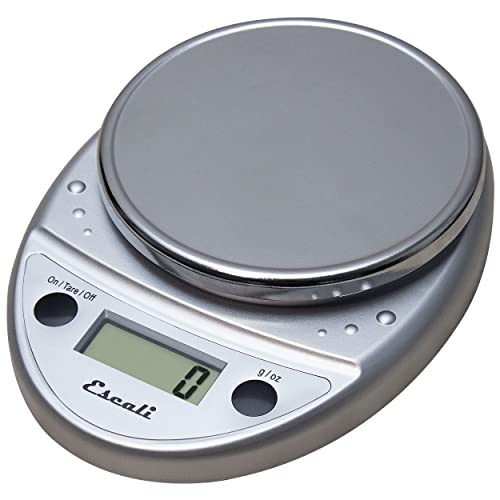
A good kitchen scale should be intuitive. Look for a simple tare function that lets you zero out the weight of a bowl or plate. A sealed control panel, like the one on the Escali Primo, protects against spills and makes cleaning a breeze.
Stainless steel or tempered glass surfaces are not only durable but also easy to wipe down. The Amazon Basics scale has a food-safe, BPA-free plastic body and a stainless steel platform, which is simple to clean after messy tasks like kneading dough.
Final Thoughts
Choosing the best kitchen scale ultimately comes down to your specific cooking habits. If you need a reliable workhorse for everyday baking and cooking, the Nicewell Food Scale 22lb Digital Kitchen Scale offers a generous capacity and precise measurements, while the Escali Primo Digital Food Scale Multi-Functional brings a sealed, durable design that is perfect for busy kitchens. Whichever you choose, you will enjoy the accuracy and convenience that a digital scale brings to your kitchen.
Frequently Asked Questions
What is the most accurate kitchen scale?
The most accurate kitchen scales use high-precision sensors and offer 1-gram increments. Models like the Nicewell and the 33lb Deweywei are known for their accuracy, but any scale with a certified precision rating will work well for most recipes.
How do I calibrate my digital kitchen scale?
Most digital scales come pre-calibrated, but you can usually calibrate them using a known weight, like a coin or a calibration weight. Check your scale’s manual for specific instructions, as the process varies by brand.
Can I use a kitchen scale for measuring liquids?
Yes, many kitchen scales have a mode for measuring fluid ounces or milliliters. The Etekcity and the Amazon Basics scales both support these units, making them versatile for liquid ingredients.
What is the tare function on a kitchen scale?
The tare function lets you reset the scale to zero after placing a container on it. This way, you can weigh ingredients directly in the bowl without including the bowl’s weight. All the scales in this guide have a tare button.