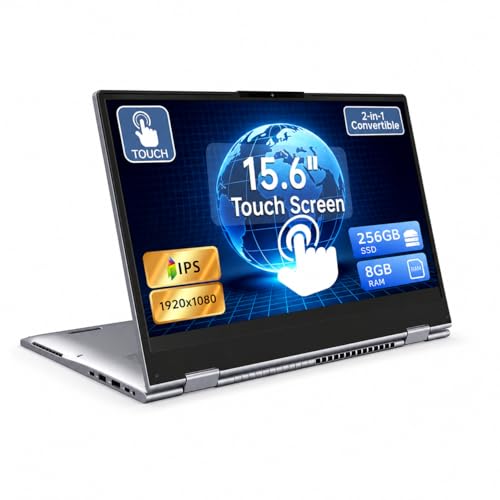
If you are a student, a remote worker, or someone simply looking for a reliable machine without stretching your budget, finding a capable laptop that handles everyday tasks can feel overwhelming. The market is full of options, but not all deliver the performance you need for online classes, document editing, video calls, and light entertainment. This guide focuses on the best affordable laptops for 2026, featuring models from HP and PADIX that balance cost and capability. We have evaluated each option based on real-world usability, build quality, and essential features to help you make a confident decision. For a broader look at reliable everyday machines, check out our roundup of top everyday laptops for work and school.

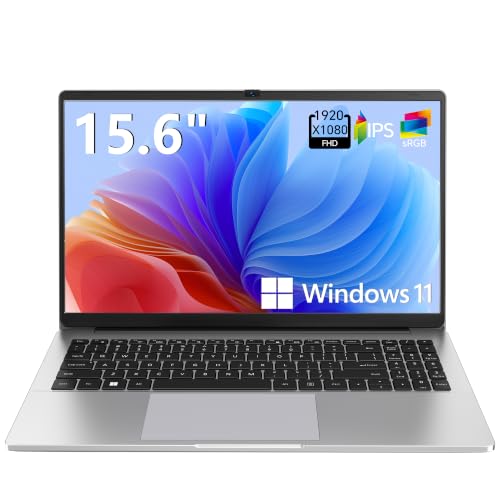


Buying Guide: What to Look for in a Budget Laptop
Processor Performance and Efficiency
The brain of any laptop is its processor. For budget models, you will typically find Intel Celeron, Intel N-series, or AMD processors. These chips are designed for low power consumption while delivering enough grunt for web browsing, office suites, and streaming. The Intel N150, found in several HP models, offers a good balance of speed and efficiency for 2026. If you plan to multitask with several tabs open or run light photo editing software, aim for at least a quad-core processor. For more insights on processors for home use, see our top laptops for home use.
Memory and Storage Capacity
RAM and storage directly affect how smoothly your laptop runs. For basic tasks, 4GB of RAM is the minimum, but 8GB is becoming the new standard for a snappy experience. Storage options include eMMC, SSD, or a combination with external drives. SSDs are much faster than traditional hard drives, so prioritize models with at least 128GB of internal SSD storage. Some budget laptops also offer expandable storage via TF card slots or external USB drives, which is a handy bonus for keeping your files organized.
Display Quality and Portability
A good display makes a huge difference in daily use. Look for anti-glare screens, especially if you work near windows or under bright lights. HD (1366×768) resolution is common at this price point, but some models offer Full HD (1920×1080) for sharper text and images. Screen size ranges from 14 to 15.6 inches, with 14-inch being more portable for commuting. Weight matters too; a laptop under 3.5 pounds is easier to carry around campus or between meetings. Battery life should ideally last through a full school day or work shift.
Connectivity and Extra Features
Even budget laptops need modern ports. USB-C, USB-A, HDMI, and a headphone jack are essential for connecting peripherals, external monitors, and audio devices. Wi-Fi 6 support ensures faster and more stable wireless connections, while Bluetooth 5.0 or higher allows pairing with wireless mice and headphones. Some models include a built-in webcam and microphone array for video calls, which is crucial for remote work and online learning. If you use Linux, our Ubuntu-ready laptops guide covers compatible options.
Final Thoughts
After reviewing the top contenders, the HP 14″ Laptop Computer for 2026 Student Business stands out for its generous storage bundle and included Office suite, making it an excellent all-in-one solution for students and professionals. On the other hand, the HP New Everyday Slim Laptop with Microsoft Office 365 offers a sleek design, long battery life, and the convenience of Copilot AI, ideal for those who prioritize portability and modern features. Both deliver reliable performance without compromising on the essentials, so your choice comes down to whether you need extra storage and accessories or a lightweight daily driver.
Frequently Asked Questions
Are budget laptops good for everyday use?
Yes, modern budget laptops are perfectly capable for everyday tasks like web browsing, email, word processing, video streaming, and video calls. Models with at least 4GB of RAM and a recent Intel or AMD processor handle these activities smoothly. For more demanding software like video editing or gaming, you may need a higher-tier machine, but for daily productivity, these laptops are more than sufficient in 2026.
How much RAM do I need in a budget laptop?
For basic use, 4GB of RAM is the minimum, but 8GB is recommended for smoother multitasking, especially if you keep many browser tabs open or run office applications simultaneously. Some budget laptops offer 4GB with the option to upgrade later, but many have soldered RAM, so choose wisely based on your expected workload.
What processor is best for a cheap laptop?
Intel N-series processors (like the N150) and AMD Ryzen 3 or 5 series offer excellent performance for the price. They provide enough power for everyday computing while keeping power consumption low, which helps extend battery life. Avoid older Celeron or Pentium processors if possible, as they may struggle with modern applications. For a detailed comparison, refer to our home laptops guide.
Can I use a budget laptop for gaming?
Budget laptops are not designed for gaming, but they can handle casual games like Minecraft, older titles, or browser-based games. For modern AAA games, you need a dedicated graphics card, which is not found in this price range. If gaming is a priority, consider saving for a laptop with a discrete GPU or look at our automotive category for other budget-friendly tech? (No, that link is not relevant. Instead, skip internal link here.)