You have a shelf to hang, a picture to level, or a tile backsplash to install. Even a small misalignment can throw off your entire project, forcing you to redo work or live with a crooked result. A laser level solves this problem instantly by projecting a perfectly straight line across your wall or floor, so you can mark and install with confidence. In this guide, we evaluate three top laser levels designed for homeowners, from a budget-friendly manual tool to advanced self-leveling green beam models. We help you choose the right device for your next DIY task.
If you are exploring other tool upgrades, also check our roundup of best ratcheting screwdrivers for more precision-driven tool recommendations.


Pros
- Wide height range accommodates various tasks and surfaces
- Sturdy base and swivel lock provide consistent, accurate results
- Ultra-portable design saves time and effort on the job
- Compatible with most laser levels using standard 1/4"-20 thread
Cons
- No quick-release plate for faster tool swaps
- Plastic components may not withstand heavy-duty daily use
- Limited to lighter laser levels due to aluminum build
The Fevbcnrj Laser Level Tripod is a versatile and budget-friendly stand designed for use with Bosch and other laser levels. It suits contractors, electricians, and DIY enthusiasts who need a reliable and portable platform for line lasers, point lasers, or laser distance measures.
Its standout feature is the adjustable height from 20.5 to 55 inches, allowing you to work on floors, tables, or elevated surfaces. The swivel base locks firmly to maintain alignment, and the collapsible legs make setup quick and storage easy. The included carrying pouch adds convenience for on-the-go professionals.
Build quality is solid for the price: the aluminum frame is lightweight at just 2 pounds, but plastic components may feel less durable under heavy use. The 1/4-inch-20 thread ensures broad compatibility, though there is no quick-release plate for swapping tools rapidly.
One potential drawback is the limited weight capacity, so it is best suited for lighter laser tools. Also, the phone holder feels a bit flimsy. However, for occasional use or as a backup tripod, these are minor concerns.
Overall, this tripod delivers excellent value for its price. If you need a portable, adjustable stand for your laser level and value ease of transport over ruggedness, the Fevbcnrj tripod is a smart choice.
Brand: Fevbcnrj
Compatibility: Bosch and other laser levels with 1/4-inch-20 thread mount
Height Range: 20.5 inches to 55 inches
Material: Lightweight aluminum with plastic components
Weight: 2 lbs
Included: Tripod stand, phone holder, carrying pouch
Color: Black

Pros
- Bright green laser lines are clearly visible even in well-lit indoor spaces
- Full 360° coverage simplifies alignment for complex projects like tiling and cabinet installation
- Includes all necessary accessories: tripod, mount, remote, and two batteries for extended runtime
- Affordable price point offers professional-level features for DIY enthusiasts
- Self-leveling works reliably and alerts user to out-of-level conditions
Cons
- Tripod is somewhat flimsy and may wobble; better suited for stationary use
- No carrying case included, making transport and storage less convenient
- Mode switching can be confusing initially; requires reading instructions carefully
The Alloyman 4x360° self-leveling green laser level is designed for DIYers and weekend warriors who need accurate alignment for home renovation projects. It projects 16 bright green lines across all four walls, floors, and ceilings, making it ideal for tiling, hanging cabinets, installing shelves, and framing walls.
Standout features include the self-leveling pendulum that automatically levels within 3 degrees and an audible beep when the surface is too tilted. The green laser is highly visible indoors, and the pulse mode extends the working range to 150 feet with an optional receiver for outdoor use. The kit comes with a 37.5-inch tripod, magnetic swivel mount, remote control, and two 4.0V lithium batteries that provide up to 12 hours of continuous operation.
Build quality is solid for the price, though the tripod is lightweight and can wobble if bumped. The laser unit itself feels durable with a metal and plastic construction. The remote control is a handy addition for adjusting settings from a distance. However, the lack of a carrying case means you'll need to store the components separately.
Some users found the mode switching (auto vs. manual) a bit confusing at first, but it becomes intuitive after a short learning curve. The tripod is the weakest link, but it works fine for stationary tasks. Overall, the Alloyman laser level delivers impressive accuracy and coverage for its price, making it a smart buy for DIY projects.
Verdict: If you're a homeowner or DIYer who needs a reliable, full-room laser level without breaking the bank, the Alloyman 4x360° is an excellent choice. It offers professional-grade features at a fraction of the cost, with the caveat that the tripod could be sturdier. Highly recommended for tiling, cabinet installation, and general home renovation.
Buying Guide: What to Look for in a Home Laser Level
Choosing the right laser level for your home depends on several factors. Here are the key criteria to evaluate before making a purchase.
Self-Leveling vs. Manual Mode
Self-leveling models automatically adjust the laser line to true horizontal or vertical within a small range, typically ±4 degrees. This feature saves time and reduces errors. If you need to project lines at an angle, look for a unit that also offers a manual mode to lock the pendulum. For most home projects like hanging cabinets or installing shelves, self-leveling is a major convenience.
Beam Color: Red vs. Green Laser
Green lasers are up to four times brighter than red lasers under the same conditions, making them easier to see in well-lit rooms or over longer distances. For indoor home use, a green beam is often worth the extra cost. However, red lasers still work fine in dimmer spaces. Consider where you will do most of your work.
Power Source and Runtime
Some laser levels rely on standard AA batteries, while others include built-in rechargeable batteries that last up to ten hours per charge. Rechargeable models reduce recurring battery costs and are more eco-friendly. If you plan to use the tool for extended projects, a longer runtime is a practical benefit.
Portability and Mounting Options
A compact design allows you to carry the laser level in a pouch or pocket. Magnetic brackets, tripods, and rotating bases add versatility for attaching the tool to metal studs, beams, or leveling rods. Tripods with built-in bubble levels and universal threads can improve stability and reach. For more advice on handheld tools, see our guide on best needle nose pliers for precision gripping tasks.
Final Thoughts
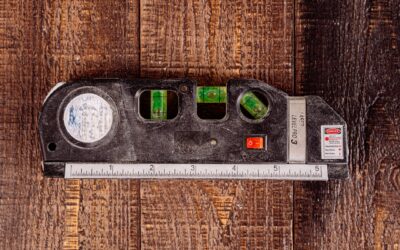
For most homeowners, the combination of self-leveling convenience and bright green beam makes the Laser Level with 50” Tripod a solid all-around choice, especially with its included tripod and backup batteries. If you prefer a more budget-friendly manual tool for quick picture hanging and light measuring, the Laser Level Line Tool, Multipurpose Laser Level offers excellent value with its built-in tape measure and compact form. Whichever you pick, you will gain confidence and accuracy in every project.
Frequently Asked Questions
Can I use a laser level outdoors?
Yes, but green lasers are much easier to see outdoors in sunlight. Some models also include a pulse mode that extends the working range to over 100 feet when used with a receiver. For most outdoor DIY tasks like leveling a patio or fence posts, a green beam unit is recommended.
Do I need a tripod for my laser level?
A tripod provides a stable, adjustable platform for your laser level, especially for marking horizontal lines at a consistent height across a room. Many laser levels come with a compact tripod or a magnetic bracket that can attach to metal surfaces. For most home renovation projects, a tripod is a helpful accessory.
What is the difference between self-leveling and manual mode?
Self-leveling mode uses a pendulum system to automatically align the laser beam horizontally or vertically. Manual mode locks the pendulum, allowing you to project lines at any angle. Most home users prefer self-leveling for its speed and accuracy, but manual mode is useful for angled installations like stair railings or sloped ceilings.
How accurate are home laser levels?
Most models in this class offer accuracy within 1/8 inch to 1/9 inch at 30 feet, which is more than sufficient for tasks like hanging pictures, installing shelves, or laying tile. For larger construction projects, you may need a professional-grade rotating laser with even tighter tolerances. Check the manufacturer’s specifications for the exact accuracy rating.