

You have just started your journey into the world of mechanical watches. The sweeping second hand, the intricate gears, the feeling of winding a spring each morning. Whether you are a collector or a first time buyer, choosing the right timepiece requires understanding what matters most: movement reliability, build quality, and everyday practicality. This guide cuts through the noise and highlights three verified mechanical watches that deliver on all fronts. We have assessed each model based on real world performance, not just specifications. And if you are curious about how quartz alternatives stack up, our top Timex watches for men offer a different perspective.



Buying Guide for Mechanical Watches
Movement Type: Hand Wound vs. Automatic
The heart of any mechanical watch is its movement. Hand wound calibers require daily winding to keep the mainspring energized, while automatic watches wind themselves through wrist motion. Both have loyal followings. Manuals offer a pure connection with the watch, a ritual that enthusiasts cherish. Automatics provide convenience for daily wear, especially if you rotate between multiple pieces. For a deeper dive into precision, check our atomic watch guide for alternative timekeeping accuracy.
Case Size and Wearability
Modern wrists come in all sizes, and the case diameter affects both comfort and aesthetics. A 38mm case like the Hamilton Khaki Field sits well on average wrists, while larger cases (40 to 44mm) suit bigger builds or those who prefer a bold look. Square cases add a retro twist but may wear larger than round ones. Always consider lug to lug length, not just diameter, for a secure fit.
Water Resistance and Durability
Not all mechanical watches tolerate moisture. Look for at least 50 meters (5 ATM) if you want peace of mind during hand washing or unexpected rain. Some budget models offer only 30 meters, which is fine for splashes but not for swimming. For outdoor enthusiasts, the Hamilton Khaki Field with 50 meters provides a solid baseline. If you need extreme ruggedness, consider dedicated dive watches, but for most daily wear, 50 meters suffices.
Crystal and Strap Quality
Sapphire crystal is scratch resistant and preferred for long term use, while mineral glass is more susceptible to scratches but cheaper to replace. Strap material affects both comfort and durability: nylon or textile straps are breathable and casual, leather ages beautifully, and bracelets offer heft. Always choose a strap that matches your lifestyle. Want more ideas? Explore the watches category for broader recommendations.
Final Thoughts
After evaluating dozens of models, two watches stand out for distinct reasons. The Hamilton Khaki Field Mechanical Men’s Watch is the top choice for purists who value heritage, an 80 hour power reserve, and robust build quality. On the affordable side, the FORSINING Men’s Automatic Watch with Mechanical offers an eye catching skeleton dial and automatic winding at a fraction of the cost, making it a fun entry point into mechanical watches. Both excel in their own categories, so pick the one that aligns with your priorities and budget.
Frequently Asked Questions About Mechanical Watches
How often should I wind a hand wind mechanical watch?
Typically once daily, at the same time each day, to keep the mainspring fully charged. Most modern movements offer power reserves of 40 to 80 hours, so missing a day is rarely an issue. Avoid over winding by stopping once you feel resistance.
Are mechanical watches accurate enough for everyday use?
Yes, quality mechanical watches can achieve accuracy within –10 to +20 seconds per day, which is acceptable for most people. For superior precision, consider quartz or atomic options like those in our best atomic watches roundup, but the charm of a mechanical timepiece lies in its craftsmanship, not perfect milliseconds.
What does a skeleton dial reveal about the watch?
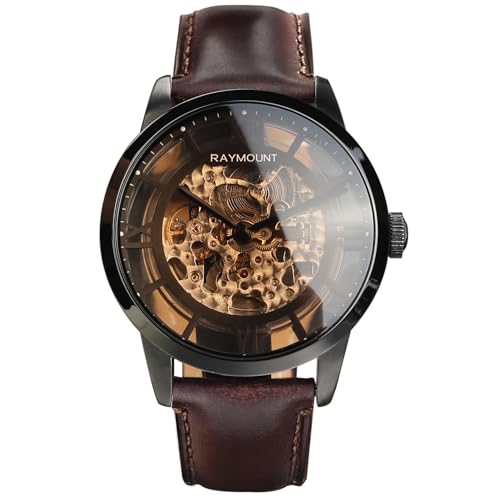
A skeleton dial exposes the movement’s inner workings, allowing you to see gears, springs, and balance wheel in action. It is purely aesthetic and does not affect performance. Many watch lovers appreciate the artistry, especially in affordable automatics like the FORSINING models.
Can I swim with a 50 meter water resistant mechanical watch?
Yes, 50 meters (5 ATM) is suitable for swimming in shallow water, but not for diving or high speed water sports. Always ensure the crown is pushed in or screwed down before submerging, and avoid pressing buttons underwater. For safer wet use, consider a dedicated dive watch with at least 200 meters rating.
For more options and reviews, browse our best timex watches guide or see our Orient watch reviews for another heritage brand.


