

You’re standing on the boat, gear ready, and you need a timepiece that won’t let you down when the depths call. But with so many options, how do you choose a dive watch that balances quality, style, and value? This guide cuts through the noise, focusing on the best microbrand dive watches of 2026. Whether you’re a seasoned diver or a desk-diving enthusiast, we’ve got you covered with our top picks.
Microbrands have taken the watch world by storm, offering exceptional craftsmanship and unique designs without the hefty price tag of luxury names. In this article, we evaluate three standout models that represent the best in this category. For more insights on specific materials, check our guide to titanium dive watches.




Buying Guide: What to Look for in a Microbrand Dive Watch
Choosing the right dive watch isn’t just about looks; it’s about finding the perfect balance of features that match your needs. Here are the key criteria we used to evaluate the best microbrand dive watches.
Water Resistance: How Deep Can You Go?
Water resistance is the heart of any dive watch. The rating tells you how deep you can safely go, and it’s crucial to match it to your typical activities. For most recreational divers, 200 meters is the sweet spot, offering plenty of protection for swimming, snorkeling, and even scuba diving. If you’re a professional or a serious tech diver, you might need something more robust.
Our top picks range from 200 meters to a staggering 1000 meters, ensuring there’s an option for every level of diver. Remember, water resistance isn’t just about depth; it’s also about the seals and construction quality. Always check the rating before you take the plunge.
Movement: Automatic vs. Solar vs. Quartz
The movement is the engine of your watch, and it determines accuracy, maintenance, and overall feel. Automatic movements, like the Japan Miyota 9015 found in some models, offer a self-winding mechanism that’s both reliable and satisfying to watch. They don’t need batteries, but they require regular wear or winding to keep going.
Solar-powered quartz movements, on the other hand, are incredibly low-maintenance, converting light into energy and reducing the need for battery changes. Quartz movements are the most accurate and affordable, making them a great entry point into the world of dive watches. Your choice depends on your lifestyle and what you value most: tradition, convenience, or precision.
Case Size and Wrist Fit
Dive watches come in a variety of sizes, typically ranging from 40mm to 46mm or larger. The right size depends on your wrist circumference and personal style. A larger case makes a bold statement but might feel bulky on smaller wrists, while a more modest size offers better comfort for everyday wear.
Pay attention to the lug-to-lug distance, as it determines how well the watch sits on your wrist. For example, a 45.8mm case with a 51.4mm lug-to-lug length is designed for larger wrists, while a 40mm case might be more versatile. Always measure your wrist before buying, and consider the strap material—silicone, resin, or steel—for comfort and durability.
Durability and Crystal Material
Your dive watch will face scratches, impacts, and harsh conditions, so durability is non-negotiable. Look for sapphire crystal, which is highly scratch-resistant and maintains clarity underwater. Mineral glass is more affordable but less resistant to scratches. The case material also matters: stainless steel is a classic choice, while titanium offers a lighter, more corrosion-resistant option.
For a deeper dive into durable materials, check our titanium dive watch review. A well-built case and crystal ensure your watch lasts for years, whether you’re exploring reefs or just wearing it to the office.
Final Thoughts
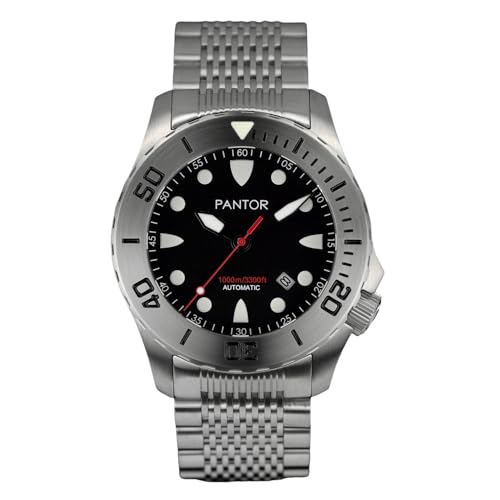
Choosing the right microbrand dive watch comes down to your personal needs and style. If you’re looking for a rugged, solar-powered companion that can handle any adventure, the NORTH EDGE Triton-TI Titanium Solar Dive Watch is an exceptional choice. For those who prefer the precision and reliability of a classic automatic movement with extreme depth capability, the Pantor Seahorse Automatic Dive Watch,1000m is a worthy investment. Both offer outstanding value and performance, ensuring you’ll find the perfect fit for your wrist and your lifestyle.
Related Guides
Frequently Asked Questions
What is a microbrand dive watch?
A microbrand dive watch is a timepiece produced by a small, independent watchmaker, often with a focus on quality and unique design. These brands typically offer better value than large luxury houses, as they have lower overhead costs and a direct-to-consumer model. For more options, check out our watches category.
How deep should a dive watch be?
The depth rating indicates the water resistance level, and it’s essential to match it with your diving activities. For recreational diving, a rating of 200 meters is standard and sufficient. For professional or saturation diving, you’ll need a watch rated to 300 meters or more, like the Pantor Seahorse with its 1000-meter capability.
Are solar dive watches better than automatic?
Solar dive watches are incredibly convenient because they never need a battery change; they’re powered by light, making them low-maintenance and eco-friendly. Automatic watches, on the other hand, offer a traditional mechanical experience and don’t require light, but they need regular wear or winding. The best choice depends on your preference for convenience versus tradition.
Can I wear a microbrand dive watch every day?
Absolutely! Many microbrand dive watches are versatile enough for daily wear, whether you’re in the office or at the beach. Their durable construction and water resistance make them ideal for any situation. Just consider the case size and strap material to ensure comfort throughout the day. For more style tips, check our business casual watch guide.


