

You’ve saved up for that big photography upgrade, but you’re overwhelmed by the sheer number of mirrorless cameras out there. You want a camera that delivers crisp photos and smooth video without breaking the bank, but you also don’t want to sacrifice features that matter, like fast autofocus or a flip screen for vlogging. This guide is for you: the enthusiast, the content creator, and the traveler who wants a versatile, high-performing camera without the flagship price tag.
We’ve evaluated the top mirrorless cameras under $1500, focusing on models from Canon, Nikon, and Sony that offer the best balance of performance, portability, and value. Whether you’re a beginner stepping up from a smartphone or a hobbyist looking for a second body, our picks will help you find the perfect tool. If you’re on a tighter budget, check out our guide to the best mirrorless cameras under $600 for more affordable options.



Buying Guide: What to Look for in a Mirrorless Camera Under $1500
Before you make a purchase, it’s essential to understand what separates a good camera from a great one. Here are the key features to consider when comparing models in this price range.
Image Quality and Sensor Size
The sensor is the heart of any camera. In this price range, you’ll typically find APS-C sensors, which are larger than those in smartphones and many compact cameras. This larger sensor captures more light, resulting in better low-light performance, more dynamic range, and that beautiful background blur (bokeh) that makes your subject pop.
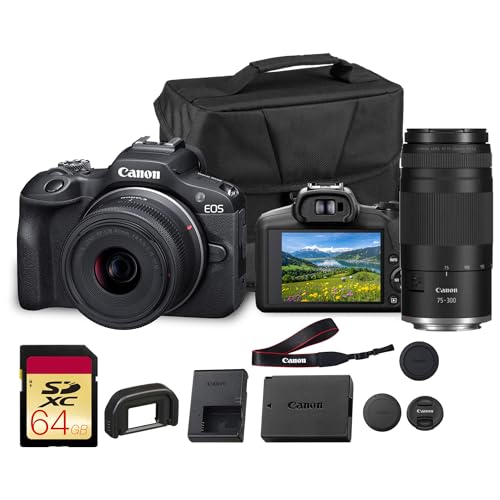
Look for a camera with a resolution between 20 and 26 megapixels. That’s more than enough for large prints and cropping, and it keeps file sizes manageable. The Canon EOS R50 and R100, for example, feature 24.1MP APS-C sensors, while the Nikon Z50 II offers a 20.9MP sensor, all of which deliver excellent image quality for the price.
Autofocus Performance
Modern mirrorless cameras use on-sensor phase-detection autofocus (AF) for lightning-fast, accurate focusing. This is critical for capturing moving subjects, like pets or kids, and for ensuring sharp self-portraits. Look for models with eye and face detection, which automatically locks onto a subject’s eyes, even when they’re moving.
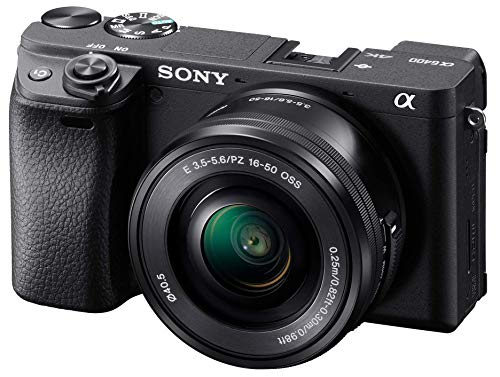
The Sony a6400 is a standout here with its Real-Time Eye AF and 425 phase-detection points, while Canon’s Dual Pixel CMOS AF is renowned for its smooth, reliable tracking. For a deeper dive into autofocus capabilities, you might enjoy our guide to the best Panasonic mirrorless cameras for video, which also highlights focus features.
Video Capabilities
If you plan to shoot video, check for 4K resolution, which offers four times the detail of Full HD. But resolution isn’t everything. Look for features like 4K/30p or 60p recording, slow-motion (120p), and a flip-out screen for vlogging. Reliable autofocus during video is also a must, as you don’t want your face going blurry while you’re talking to the camera.
All the cameras in our list offer 4K video, but some are better than others. The Canon EOS R50 offers oversampled 4K, which captures extra detail, while the Nikon Z50 II provides 4K/60p for smoother motion. If video is your primary focus, you might also want to explore our top Lumix mirrorless cameras for video, as Panasonic is known for its video-centric models.
Portability and Ergonomics
You’re more likely to carry a camera that feels good in your hands and fits in your bag. Consider the weight and size, especially if you plan to travel or hike. A good grip makes the camera easier to hold for long periods, and intuitive controls let you change settings without taking your eye from the viewfinder.
For travel, a compact body like the Canon EOS R50 is a great choice, while the Nikon Z50 II with its two-lens kit offers more versatility. If you’re a street photographer, you might prefer the smaller form factor of a camera like the Fujifilm mirrorless cameras designed for street photography, which we’ve also reviewed. Think about what you’ll be shooting most often and choose a camera that fits your lifestyle.
Final Thoughts
In the end, the best mirrorless camera under $1500 for you depends on your specific needs and shooting style. If you’re a vlogger or beginner who wants the easiest-to-use camera with fantastic autofocus and a flip screen, we recommend the Canon EOS R50 Mirrorless Camera with 18-45mm Lens. For those who need a versatile all-rounder with two lenses for different situations, the Nikon Z50 II with Two Lenses is an exceptional value, giving you the flexibility to shoot everything from wide-angle landscapes to distant wildlife.
Frequently Asked Questions
What is the best mirrorless camera under $1500 for beginners?
For beginners, we often point to the Canon EOS R50. Its guided user interface, Creative Assist modes, and reliable autofocus make it incredibly easy to pick up and start shooting great photos and videos right away. It’s lightweight, which is perfect for learning on the go.
Can I use my existing DSLR lenses on a mirrorless camera?
Yes, you can! Most mirrorless systems offer lens mount adapters. For example, Canon’s mirrorless cameras use the RF mount, and you can use an adapter to mount EF and EF-S DSLR lenses. This is a great way to save money and use the glass you already own.
Is 4K video standard on all mirrorless cameras under $1500?
Yes, essentially all models in this price range now record 4K video, but there are differences in quality and features. Some offer 4K/30p, while others like the Nikon Z50 II can do 4K/60p. Look for features like 10-bit internal recording and headphone jacks if you’re serious about video.
What is the difference between a mirrorless camera and a DSLR?
Mirrorless cameras use an electronic viewfinder (EVF) and have no mirror mechanism, making them smaller and lighter than DSLRs. They also offer real-time exposure preview, which means what you see in the viewfinder is what you get. This is a huge advantage for learning and creative control. For more insights, you can read our guide to the best Fujifilm travel cameras to see how mirrorless models excel on the road.




