

You are ready to step up from smartphone photography, but you do not want to spend a fortune. Finding a capable mirrorless camera that fits a reasonable budget can feel overwhelming. That is where this guide comes in. We have evaluated the options and focused on one standout model: the Canon EOS R100. Whether you are a first-time buyer or a hobbyist looking for a compact upgrade, this camera delivers professional results without the high cost. For more budget-friendly options, check out our best mirrorless cameras on a budget.



Buying Guide: What to Look for in a Budget Mirrorless Camera
Sensor Quality and Image Processor
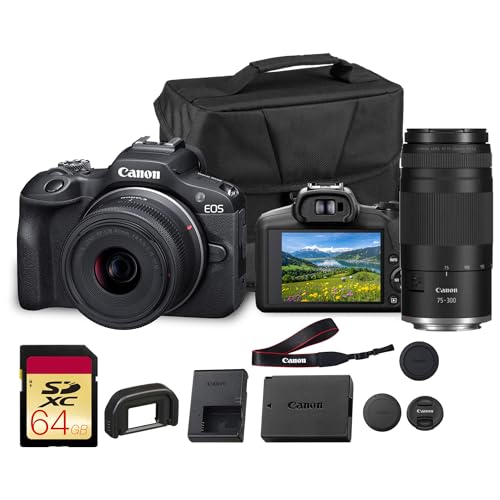
The heart of any mirrorless camera is its sensor and image processor. For under $700, you want a camera that captures sharp, vibrant images with good low-light performance. The Canon EOS R100 features a 24.2MP APS-C CMOS sensor paired with the DIGIC 8 processor. This combination delivers detailed photos and smooth video, even in challenging lighting. When you compare sensor technology across brands, Canon’s color science is known for pleasing skin tones right out of camera.
Autofocus Performance
Fast and accurate autofocus is crucial for capturing fleeting moments. The Canon EOS R100 uses Dual Pixel CMOS AF with 143 AF zones, covering a wide portion of the frame. This system excels at tracking faces and subjects, whether you are shooting stills or video. For street photography, where you need quick focus on moving subjects, this feature is a game changer. Learn more about focusing systems in our top fujifilm mirrorless cameras for street photography guide.
Lens Versatility and Kit Options
A good kit lens can make or break your first mirrorless experience. The Canon EOS R100 comes with the RF-S 18-45mm f/4.5-6.3 IS STM lens, which covers wide-angle to portrait lengths. Its built-in image stabilization helps reduce shake for handheld shots. If you plan to travel light, this lens is a perfect all-around companion. For those who prefer prime lenses or telephoto options, the Canon RF mount offers growing third-party support.
Video Capabilities
Even budget cameras now offer 4K video, but implementation varies. The Canon EOS R100 shoots 4K at 24p (with a crop) and Full HD at 60p. For vloggers and content creators, the Dual Pixel AF ensures smooth focus transitions. If video is your priority, you may want to explore dedicated video-focused models. Read our Best Panasonic Mirrorless Cameras for Video article for alternatives.
Final Thoughts
Whether you are a beginner taking your first steps into interchangeable lens photography or a traveler seeking a lightweight companion, the Canon EOS R100 Mirrorless Camera with RF-S 18-45mm delivers outstanding value. For those just starting out, the Canon EOS R100 Mirrorless Camera with RF-S 18-45mm is our top recommendation. If you prefer a more compact setup for daily carry, the same Canon EOS R100 Mirrorless Camera with RF-S 18-45mm also excels as a travel companion, thanks to its small size and versatile lens.
Frequently Asked Questions
Is the Canon EOS R100 good for beginners?
Absolutely. The Canon EOS R100 is designed with beginners in mind. It offers auto scene modes, a simple menu system, and a guide mode that explains settings. The included RF-S 18-45mm lens covers common focal lengths, so you can start shooting immediately without additional gear.
Does the Canon EOS R100 have in-body image stabilization?
No, the Canon EOS R100 relies on lens-based stabilization. The kit lens includes optical IS, which helps reduce camera shake for stills and video. For added stability, consider using a tripod or a gimbal for video work.
Can the Canon EOS R100 shoot 4K video?
Yes, it records 4K video at 24 frames per second with a 1.6x crop factor. It also shoots Full HD at 60p. The Dual Pixel AF ensures smooth focus during recording. For more on video performance, see our Best Panasonic Mirrorless Cameras for Video guide.
What lenses can I use with the Canon EOS R100?
The Canon EOS R100 uses the RF mount, so it accepts all RF and RF-S lenses. You can also use EF and EF-S lenses with an optional adapter. This gives you access to a wide range of lenses from Canon and third parties, from ultra-wide to telephoto.




