

You’ve finally decided to elevate your photography, and your heart is set on a Nikon. But with a sea of models and specs, finding the perfect camera can feel like searching for a specific star in the night sky. Whether you’re a beginner wanting to move beyond your phone or an enthusiast ready to upgrade, you need a camera that matches your skill level and creative vision. This guide breaks down the best Nikon cameras for photography in 2026, helping you make a confident choice without the confusion.
For those just starting their photography journey, understanding the balance between features and ease of use is key. A camera that feels comfortable in your hands and offers intuitive controls will make you want to shoot more, which is the fastest way to improve. We’ve also included a few essential accessories to complement your new gear, ensuring you have everything you need to capture stunning images from day one. If you’re also thinking about other tech upgrades, you might find our guide on laptops for GIS work helpful for your other creative or professional needs.


Key Buying Criteria for Nikon Cameras
Sensor Size and Image Quality
The heart of any camera is its sensor. For the best Nikon cameras for photography, you’ll encounter two main types: DX (APS-C) and FX (full-frame). DX sensors are smaller, making cameras and lenses lighter and more affordable, perfect for beginners and travel. FX sensors are larger, offering superior low-light performance, more detail, and a shallower depth of field, ideal for professional work and low-light conditions.
Consider where you’ll be shooting most. If you’re mostly outdoors in good light, a DX camera like the Nikon D3000 will serve you well. If you often shoot indoors, in the evening, or want the ultimate in image quality, an FX model is worth the investment. The right sensor is the foundation of your photography, so choose based on your primary subjects.
Ergonomics and Handling
A camera that feels good in your hands is crucial. The best Nikon cameras for photography are designed with a comfortable grip and intuitive button placement. This allows you to adjust settings without looking away from the viewfinder, a key feature for capturing fleeting moments. A well-designed camera body reduces fatigue during long shoots and makes the entire experience more enjoyable.
Visit a store if possible to feel the camera in your hands. Check the weight, the grip, and the location of the shutter button and dials. A camera that feels natural to hold will encourage you to carry it more often, ensuring you never miss a perfect shot. Your comfort directly impacts your creativity.
Lens Ecosystem and Versatility
Nikon’s strength lies in its extensive lens lineup. The best Nikon cameras for photography are those that give you access to a wide range of lenses, from versatile zooms to bright primes. For beginners, a kit lens like the 18-55mm is perfect for everyday shooting. As you progress, you can invest in specialized lenses for portraits, macro, or wildlife photography.
Consider what you love shooting. If you enjoy landscapes, a wide-angle lens is essential. For portraits, a 50mm or 85mm prime lens offers beautiful bokeh. The ability to change lenses makes your camera a versatile tool that can grow with you. It’s an investment in your creative future, so choose a system with the lenses you’ll need.
Final Thoughts
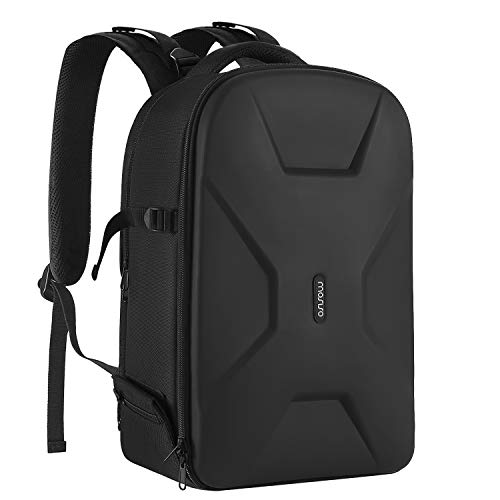
Choosing the right gear is a personal journey; the ideal setup balances your skill level, subject matter, and budget. For a solid entry point, the Nikon D3000 10.2MP Digital SLR Camera with 18-55mm offers a reliable DSLR experience, while the K&F CONCEPT Camera Backpack provides practical, lightweight protection for your growing kit, ensuring you’re ready for any adventure.
Frequently Asked Questions
What is the best Nikon camera for a beginner photographer in 2026?
For beginners, the best Nikon camera balances ease of use with solid image quality. The Nikon D3000 is a great choice because it offers a simple interface, a helpful Guide Mode that teaches you the basics, and a classic DSLR layout. It’s affordable, reliable, and perfect for learning the fundamentals of photography without being overwhelming.
What is the difference between a DSLR and a mirrorless camera for photography?
The main difference lies in the viewfinder system. A DSLR uses a mirror to reflect light into an optical viewfinder, while a mirrorless camera uses an electronic viewfinder (EVF) that shows a digital preview. Mirrorless cameras are typically smaller, lighter, and offer faster burst rates, while DSLRs often have longer battery life and a wider selection of affordable used lenses. Both produce excellent photos, but your choice depends on your preference for size and shooting style.
Which Nikon camera is best for low-light photography?
For low-light photography, you’ll want a camera with a full-frame sensor, as it captures more light and produces less noise. Look for models with a wide ISO range and good high-ISO performance. While the D3000 is a capable camera, it’s not specifically designed for extreme low-light situations. For better results, consider a full-frame DSLR or mirrorless model from Nikon’s higher-end lines, which excel in challenging lighting conditions.
Are Nikon cameras compatible with third-party accessories?
Yes, Nikon cameras are widely compatible with a vast range of third-party accessories, including lenses, flashes, and bags. This compatibility is one of the reasons why Nikon is a favorite among photographers. For example, you can protect your gear with a camera bag designed for women or use third-party lenses from brands like Sigma and Tamron. This flexibility allows you to build a kit that fits your specific needs and budget.


