

You have built a solid home gym: a sturdy rack, a bench, and plates stacked in the corner. But the centerpiece, the barbell, still feels like an afterthought. A subpar bar can slip during heavy squats, wear out your wrists, or wobble under load. Whether you are chasing a new deadlift PR or refining your Olympic lifts, the right Olympic barbell makes every rep feel controlled and safe. In this guide, we evaluate ten of the best Olympic barbells for 2026, covering options for beginners, intermediate lifters, and advanced athletes. We also share what to look for when buying, so you can invest with confidence.
If you are also building out your home gym, check out our review of the best suspension trainer for home to complement your barbell training.






Buying Guide: How to Choose the Best Olympic Barbell
Not all Olympic barbells are created equal. The right bar depends on your lifting style, experience level, and budget. Below are the key factors to consider before making a purchase.
Weight Capacity and Tensile Strength
The bar’s load rating tells you how much weight it can safely hold. For most home gym users, a capacity of 500 to 700 pounds is sufficient for progressive overload. If you plan to lift heavy or compete, look for bars rated at 1,000 pounds or more. Tensile strength, measured in PSI, indicates the steel’s durability. A bar with 150,000 PSI or higher will withstand years of abuse without bending.
Shaft Diameter and Knurling
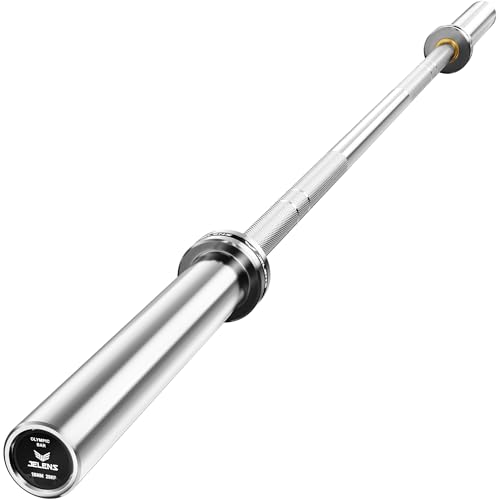
Standard Olympic bars have a 28 mm to 28.5 mm shaft diameter. A thinner shaft (28 mm) is common for weightlifting, while thicker shafts (29 mm) are often used in powerlifting. Knurling provides grip, look for a medium-depth diamond or volcano pattern that is secure but not abrasive. A center knurl helps keep the bar in place during squats, while dual markings (IWF and IPF) guide hand placement for different lifts.
Sleeve Rotation and Bearings
Smooth sleeve rotation reduces wrist and forearm strain during dynamic lifts like cleans and snatches. Look for bars with needle bearings or a hybrid of bearings and brass bushings. Bushing-only bars are more affordable and still offer decent rotation for powerlifting. Snap rings on the sleeve ends ensure the assembly stays tight and rattle-free over time.
For more home gym essentials, see our guide on the best suspension trainer for versatile bodyweight workouts.
Finish and Durability
The finish protects the bar from rust and wear. Common finishes include chrome, E-coat (electrostatic coating), and phosphate. Chrome is smooth and corrosion-resistant, but can be slippery when wet. E-coat offers excellent rust protection with a matte look. Phosphate preserves knurling feel and resists rust well. Choose based on your gym environment, humid garages benefit from chrome or E-coat.
Also consider the best push up handles to round out your upper body training.
Final Thoughts
After evaluating all ten options, our top recommendation for most home gym lifters is the CAP The Beast 7ft Olympic Barbell, Pro Series for its 1,200-pound capacity, smooth bronze bushing sleeves, and comfortable volcano knurling, a perfect balance of performance and value. For beginners or those on a tighter budget, the PAPABABE 7ft Barbell 45lb Olympic Barbell 1000lbs offers a 190,000 PSI steel core and needle bearings at an accessible price point, making it a solid entry-level bar that grows with you. Whichever you choose, a quality Olympic barbell is the foundation of every great workout.
Frequently Asked Questions
What is the difference between an Olympic barbell and a standard barbell?
An Olympic barbell is 7 feet long, weighs 45 pounds (20 kg), and has 2-inch diameter sleeves that fit Olympic weight plates. Standard barbells are usually shorter, weigh less, and have 1-inch sleeves for standard plates. Olympic bars are designed for heavier loads and dynamic lifts.
How much weight can an Olympic barbell hold?
Capacity varies by model. Entry-level bars often hold 500 to 700 pounds, while premium bars can support 1,000 to 1,500 pounds. Always check the manufacturer’s rating and do not exceed it to avoid bar damage or injury.
Do I need a barbell with needle bearings?
Needle bearings provide the smoothest rotation for Olympic lifts like cleans and snatches. If you focus on powerlifting (squat, bench, deadlift), bushing-only bars are sufficient and often more durable. Hybrid bars with bearings and bushings offer a good compromise.
Can I use an Olympic barbell in a standard power rack?
Yes, as long as your rack’s inside width is wider than the barbell’s shaft length (usually around 51 to 52 inches). Most power racks and squat stands are designed for 7-foot Olympic bars. Always measure your rack before buying.
For more home gym ideas, explore our Sports & Fitness category.


