You’ve just set up your turntable or amplifier, but the sound falling flat. You need a pair of passive speakers that can bring your music, movies, and games to life without breaking the bank. Whether you’re a vinyl enthusiast or a home theater buff, choosing the right speakers makes all the difference. In this guide, we’ll compare two excellent passive speaker options to help you find your perfect match.
We’ve spent hours evaluating the latest models, focusing on sound quality, build, and versatility. If you’re also exploring other audio upgrades, check out our guide to the best home audio speakers for more inspiration. For now, let’s dive into the world of passive speakers and find the pair that fits your space and your ears.

Buying Guide: What to Look for in Passive Speakers
Before you hit the buy button, consider these key factors to ensure you pick the right passive speakers for your audio setup. Each of these criteria can make or break your listening experience.
Sound Quality and Driver Configuration
The heart of any speaker is its drivers. A tweeter handles high frequencies, while a woofer manages mids and bass. Look for a balanced sound signature that suits your music taste. For example, a silk dome tweeter often delivers smoother highs, while a terylene tweeter can offer extra detail.
Consider the size of the woofer too. A 5.25-inch driver can produce deeper bass than a 4-inch one, but it might require a larger cabinet. If you’re pairing with a subwoofer, smaller drivers are fine. For more tips on matching speakers to your room, read our guide to the best home speakers for music.
Power Handling and Sensitivity
Passive speakers rely on an external amplifier or receiver. Check the power handling, measured in watts, to ensure your amp can drive them effectively. Also, consider sensitivity, which indicates how loud the speakers play with a given amount of power. Higher sensitivity means they need less power to produce the same volume.
If you have a low-wattage amp, look for speakers with high sensitivity (90 dB or more). If you have a powerful receiver, you have more flexibility. For a deeper dive into speaker specs, explore our overview of top home speakers.
Placement and Design
Think about where you’ll place your speakers. Bookshelf models are compact and versatile, fitting on shelves or stands. Some come with built-in wall-mount brackets for flexible placement. Rear-ported designs need some space from the wall to avoid boomy bass, while front-ported models can sit closer.
Design matters too, as speakers often become a visual focal point. Furniture-grade finishes and rounded edges add a touch of elegance to any room. If you’re planning a larger setup, you might also consider floorstanding speakers. Check out our top floorstanding speakers under $2,000 for more ideas.
Connectivity and Compatibility
Passive speakers connect via speaker wire to an amplifier or receiver. Ensure your amp has the right outputs and that you have quality wire. Some speakers feature gold-plated terminals that support banana plugs, making connections secure and corrosion-resistant.
Also, consider impedance, typically 4 or 8 ohms. Your amplifier should be rated to handle the speakers’ impedance. For a budget-friendly setup, simpler models with basic terminals work fine. For more advanced options, see our recommendations for floorstanding speakers under $1,000.
Final Thoughts
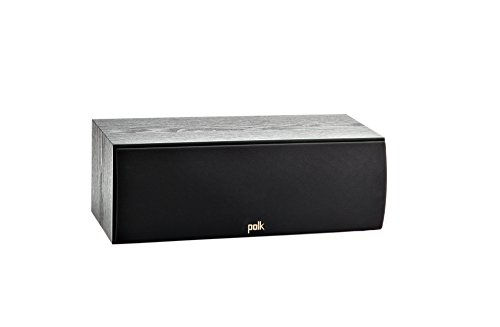
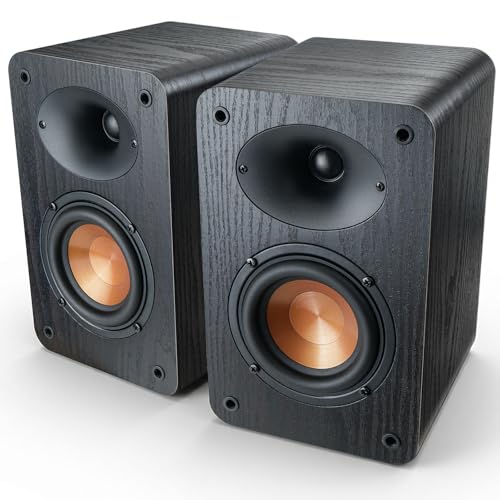
Choosing between the Polk Monitor XT15 Pair of Bookshelf or Surround and the RIOWOIS Passive Bookshelf Speakers comes down to your needs. If you want versatile, high-resolution sound for movies and music, the Polk model is a fantastic choice. If you’re on a budget and prefer a compact, wall-mountable design, the RIOWOIS speakers are a great pick. Both deliver impressive performance for their respective purposes, so you can’t go wrong.
Frequently Asked Questions
What are the best passive speakers for a record player?
For a record player, you’ll want passive speakers that offer a warm, detailed sound. The Polk Monitor XT15 is a top choice due to its high-resolution certification and balanced audio. If you’re on a budget, the RIOWOIS Passive Bookshelf Speakers also deliver excellent clarity and are easy to drive with most amplifiers.
Do passive speakers need an amplifier?
Yes, passive speakers require an external amplifier or receiver to power them. Unlike powered speakers, they don’t have a built-in amp. Make sure your amplifier’s power output matches the speakers’ handling for optimal performance.
Can I use passive bookshelf speakers for home theater?
Absolutely. Passive bookshelf speakers work great as front, surround, or rear channels in a home theater setup. Models like the Polk Monitor XT15 are designed to be timbre-matched with other speakers for a seamless surround experience. For more tips, check out our home audio speaker guide.
What size speakers should I choose for a small room?
For small rooms, compact bookshelf speakers with 4 to 5.25-inch woofers are ideal. They provide enough bass without overwhelming the space. The RIOWOIS model is perfect for near-wall placement, while the Polk XT15 offers a bit more low-end punch. Both are excellent options for cozier listening areas.