Building strong, reliable joints is the heart of woodworking, and pocket hole joinery is one of the simplest methods to achieve that. Whether you assemble a bookshelf, a headboard, or a face frame, a quality pocket hole jig makes it quick and accurate. In this guide, we examine the best pocket hole jigs available and break down what makes each one stand out.
We considered factors like build durability, ease of adjustment, clamping versatility, and included accessories to help you pick the right tool. If you are building a complete workshop, our list of best woodworking tools for your home shop will round out your setup. Now let’s dive into the top contenders.



Buying Guide: How to Choose the Best Pocket Hole Jig
Every pocket hole jig works on the same principle: it guides a stepped bit at an angle to create a slanted hole, then you join two boards with a self-tapping screw. But the build quality, adjustability, and extras differ significantly. Here are the key criteria we used to evaluate the top models. If you are new to woodworking, you might also appreciate our list of best woodworking tools for beginners.
Material and Build Quality
Plastic jigs are lightweight and affordable, but they can flex under pressure, resulting in inconsistent holes. Aluminum or steel bodies offer stability and longer life. The Massca Pro M2 and the HOWOD Pocket Hole Jig Kit feature CNC-machined metal frames that stay rigid even with heavy clamping.
Adjustability and Depth Settings
The best pocket hole jigs let you set the drilling depth quickly to match your material’s thickness. Look for tools with clearly marked depth stops or sliders, like the Kreg 720PRO and the VEVOR Pocket Hole Jig System. This feature prevents blowouts and ensures your screws seat properly.
Ease of Use and Clamping
Secure clamping is essential for safe, accurate drilling. Models with integrated clamps, like the Kreg 320 with its Classic 2 Inch Face Clamp, or those with a quick-release toggle, like the HOWOD, speed up your workflow. Also consider dust collection, as a built-in dust port keeps your work area cleaner.
Included Accessories and Value
Some jigs come as bare units, while others include drill bits, stop collars, screws, and even a carrying case. The VEVOR kit and the HOWOD kit are excellent value options that pack almost everything you need out of the box. For beginners, these all-in-one sets reduce the number of separate purchases.
Final Thoughts
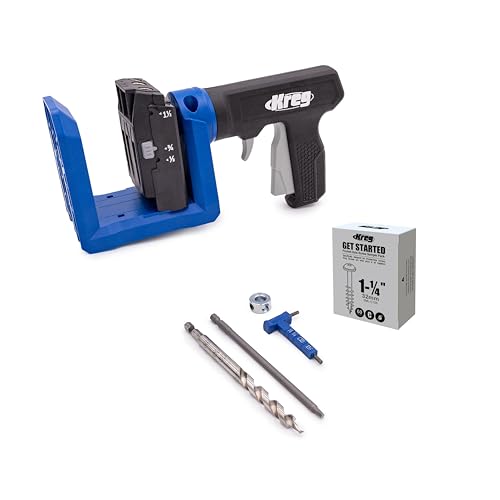
Choosing the right pocket hole jig ultimately comes down to your project scale and preferred features. If you want a premium, innovative jig with unmatched ease of use, the Kreg Pocket-Hole Jig 720PRO, Woodworking Jig is a top pick. For those who prefer a rock-solid aluminum frame and cleaner drilling, the Massca Pro M2 Pocket Hole Jig delivers excellent performance. Both will help you create strong joints for years to come.
Frequently Asked Questions
What is the difference between a pocket hole jig and a doweling jig?
A pocket hole jig drills a slanted pilot hole so a screw can pull two boards together, while a doweling jig aligns holes for wooden dowels. Pocket hole joinery is faster and easier for most DIY projects, and it produces very strong joints that are perfect for furniture and cabinets.
How do I set the depth on a pocket hole jig?
Most jigs have an adjustable stop collar on the drill bit or a slider that matches your material’s thickness. For example, the VEVOR and Kreg models let you quickly change the depth setting, and the Massca Pro M2 features an adjustable depth knob. Setting the correct depth prevents the screw from poking through the surface.
Can a pocket hole jig be used for plywood and MDF?
Yes, pocket hole jigs work well on plywood, MDF, and solid wood. The key is to adjust the depth and use the correct screw length for the material thickness. With sharp bits and proper technique, you can create clean, splinter-free holes in these materials. For a complete workshop, you might also want to see our top picks for best woodworking tools.
Do I need special screws for pocket holes?
Pocket hole screws have a self-tapping tip that bites into the second board, and they often feature a washer head that sits flush in the pocket. While you can sometimes use regular screws, dedicated pocket hole screws provide a more reliable and secure joint. Most jig kits include a variety of screws to get you started. If you are just building your toolbox, our list of best woodworking tool set might help.