You buy fresh strawberries, crisp lettuce, and firm bell peppers, but within days they turn limp, moldy, or wilted. The culprit is often excess moisture and poor airflow in your refrigerator. The solution lies in specialized produce storage containers designed to create the perfect microclimate. This guide reviews the best produce storage containers on the market, helping you choose a set that fits your kitchen routine and keeps your groceries fresh longer. Whether you meal prep every Sunday or simply want to cut down on food waste, these containers can transform how you store fruits, vegetables, and even meats.
We evaluated dozens of options—from budget-friendly multipacks to premium sets with patented airflow technology. For more ways to organize your fridge, check out our best freezer containers guide for complementary storage solutions.




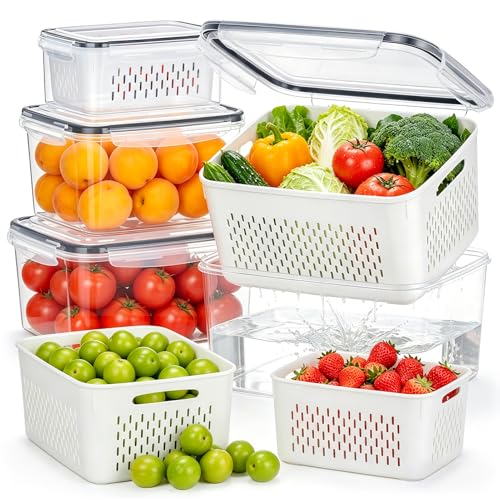

Buying Guide: What to Look for in Produce Storage Containers
Size and Capacity Variety
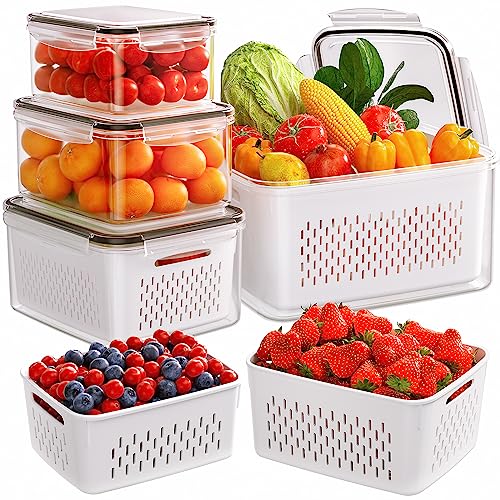
A good set offers multiple sizes to accommodate everything from a pint of blueberries to a head of lettuce. Look for combinations that include extra‑large bins for leafy greens, medium containers for apples or peppers, and small ones for berries or cherry tomatoes. This variety lets you customize storage and maximize fridge real estate.
Airtightness and Leakproof Seals
An airtight lid with silicone gaskets and strong locking clips is essential. It prevents moisture loss, keeps odors contained, and stops spills. For produce that gives off ethylene gas (like apples) or is sensitive to it (like lettuce), a tight seal can dramatically extend freshness. If you also store leftovers, consider our top meal prep containers which share similar sealing technology.
Material Safety and Durability
Most produce containers are made from BPA‑free polypropylene (PP) that can withstand freezer, microwave, and dishwasher temperatures. Always check the temperature range: a wide span from -22°F to 284°F indicates higher durability. Avoid any containers with known chemical leaching. For a deep dive into safe materials, read our best non toxic food storage containers article.
Ease of Cleaning and Stackability
Containers that are dishwasher‑safe (lids usually excluded) save time. Removable colanders simplify rinsing and draining. Stackable and nestable designs help when containers are empty, and they keep your fridge tidy when full. A clear lid also lets you see contents at a glance, reducing the need to open every bin.
If you prioritize a uniform look in your kitchen, browse our best plastic food storage containers for style and function. For overall organization, the Kitchen category page offers more resources.
Final Thoughts
After evaluating dozens of models, we recommend the 5-Pack Fruit Storage Containers for Fridge for its versatile five‑piece set, excellent airtightness, and built‑in colanders that simplify rinsing and draining. If you prefer a brand with a long track record and want to store whole heads of lettuce or large bunches of spinach, the Rubbermaid FreshWorks Produce Saver uses patented FreshVent technology to regulate carbon dioxide and oxygen, keeping produce crisp without any refills. Both options are reliable choices for reducing food waste and enjoying fresher ingredients all week long.
Frequently Asked Questions
How do produce storage containers keep food fresh?
They create a sealed environment with a removable colander that lifts produce away from accumulated water. This prevents moisture from softening vegetables or triggering mold. Some advanced models, like the Rubbermaid FreshWorks, include a filter that balances oxygen and carbon dioxide levels to slow ripening.
Can I put these containers in the microwave or dishwasher?
Most are made from BPA‑free polypropylene that is dishwasher‑safe (lids often need hand washing) and microwave‑safe without the lid. Always verify the temperature range on the product; typical limits are -4°F to 248°F. For airtight options that double as meal prep tools, see our best airtight food storage containers guide.
What size produce storage containers do I need?
If you regularly buy berries, cherry tomatoes, and small fruits, a set with multiple small bins (10 to 27 oz) is ideal. For romaine lettuce, broccoli, and large bell peppers, you will want at least one extra‑large container (100 oz or more). Most sets include a range of sizes to cover both needs.
Do I need to wash produce before storing in these containers?
It is best to store unwashed produce to avoid introducing excess moisture. The colander allows you to rinse right before use. If you do wash beforehand, dry thoroughly with a salad spinner or paper towels before placing in the container. For more storage tips, our freezer container guide covers long‑term preservation methods.