You’re in the middle of a project, ready to round over an edge or cut a perfect groove, but your current router tool just isn’t cutting it. Maybe it stalls under load, or the bit depth drifts, leaving you with uneven results. For woodworkers who need reliability and precision, choosing the right router is a game-changer. This guide reviews two top contenders: the Bosch 1617EVS 2.25 HP Electronic Fixed-Base Router and the SKIL 10 Amp Fixed Base Corded Router. Whether you’re a seasoned professional or a weekend DIYer, we’ll help you find the best router tool for your workshop.
We’ve spent hours evaluating these models based on performance, features, and user feedback. If you’re also exploring other options, check out our best router for woodworking guide for more insights. Let’s dive into the details.

Buying Guide: What to Look for in a Router Tool
Before you make a purchase, it’s essential to understand the key features that separate a good router from a great one. Here are the four most important criteria to consider when choosing your next router tool.
Power and Motor Performance
The motor’s amperage and horsepower determine how smoothly the router cuts through different materials. A more powerful motor, like the 12-amp unit in the Bosch, maintains speed under heavy loads, reducing the risk of burning or chattering. For most woodworking tasks, a 10-amp motor, such as the SKIL, is sufficient for softer woods and lighter cuts.
Consider the types of projects you’ll tackle. If you plan on working with hardwoods or using large bits, a higher amperage motor is a wise investment. For occasional trim work, a 10-amp model may be all you need.
Speed Control and Soft Start
Variable speed control lets you adjust the RPM to match the material and bit size, giving you cleaner cuts and better control. Soft start technology is another valuable feature; it gradually ramps up the motor speed, preventing the router from jerking when you pull the trigger. This is especially important for precision work.
Both the Bosch and SKIL offer speed control, but the Bosch has a wider range of 8,000 to 25,000 RPM. The SKIL’s soft start is a standout feature for safety and control, making it a great choice for beginners.
Bit Depth Adjustment and Accuracy
Microfine bit-depth adjustment is crucial for achieving precise cuts, especially when working with joinery or inlays. A smooth, fine adjustment mechanism allows you to dial in the exact depth without guesswork. The Bosch features a microfine depth adjustment that is renowned for its accuracy and ease of use.
When you’re working on detailed projects, even a fraction of a millimeter can make a difference. Look for a router with a reliable depth adjustment system that locks securely in place.
Ergonomics and Build Quality
A router should feel comfortable in your hands, especially during extended use. Features like rubberized grips, balanced weight, and accessible controls reduce fatigue and improve control. The Bosch’s rounded hardwood handles are a classic example of thoughtful ergonomics.
Durability is also key. Die-cast metal housings, like the one on the SKIL, withstand the rigors of a workshop environment. Check for dust-sealed switches and bearings, which prolong the life of the tool.
Final Thoughts
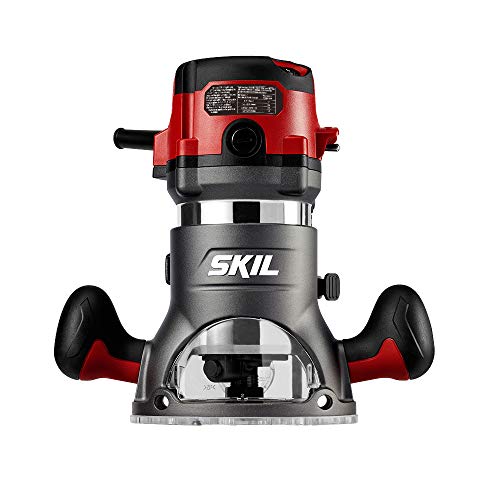
After careful evaluation, both routers excel in their own ways. For woodworkers who demand maximum power and precision, the Bosch 1617EVS 2.25 HP Electronic Fixed-Base Router is the top choice, thanks to its robust motor, microfine depth adjustment, and constant response circuitry. If you’re a hobbyist or budget-conscious DIYer, the SKIL 10 Amp Fixed Base Corded Router —RT1323-00 offers excellent value with its soft start and reliable performance. Whichever you choose, you’ll be equipped with a dependable tool for your woodworking projects.
Frequently Asked Questions
What is the difference between a fixed-base and plunge router?
A fixed-base router has a set depth that you adjust manually before starting, ideal for edge profiling and simple cuts. A plunge router allows you to lower the bit into the material while the router is running, making it perfect for starting cuts in the middle of a workpiece. Both have their uses, but a fixed base is often easier for beginners to handle.
Can I use a router tool for cutting dovetail joints?
Yes, with the right jig and a straight or dovetail bit, a router can cut dovetail joints accurately. For best results, choose a router with a microfine depth adjustment and a powerful motor to handle the demands of joint cutting. The Bosch 1617EVS is a popular choice for this task.
How do I prevent router burn on my wood?
Router burn occurs when the bit spins too slowly or you feed the router too slowly, causing friction to scorch the wood. Use a sharp bit, set the correct speed for the material, and maintain a steady feed rate. Also, make sure the bit is properly aligned and not dull.
What safety gear should I use when operating a router?
Always wear safety glasses or a face shield to protect against flying debris. Ear protection is also essential, as routers can be loud. Use a dust collection system or wear a dust mask to avoid inhaling fine particles. For more safety tips, check our best router for the money guide.