You’re out in the field, the light is perfect, and you’ve got one chance to capture that once-in-a-lifetime shot. But your Nikon D850’s buffer is full, and the camera is stuttering. The culprit is often a slow memory card. Choosing the right SD card isn’t just about storage; it’s about unlocking the D850’s full potential for rapid-fire bursts and smooth 4K video. This guide breaks down the top SD cards for the Nikon D850, helping you find the perfect balance of speed, capacity, and reliability for your specific needs.
We’ve put together this guide for both hobbyists and working professionals who demand peak performance from their gear. We’ll dive into the key specs to look for, from UHS-II speeds that clear the buffer in a flash to the capacity you need for marathon shoots. By the end, you’ll have a clear picture of which card is your best ally. For a broader look at options for other Nikon models, check out our guide to the best SD cards for Nikon cameras.



Buying Guide
Write Speed and Video Speed Class
For the Nikon D850, write speed is the most critical factor. It determines how fast the camera can save images to the card, which directly impacts your burst shooting capability. A card with a slow write speed will fill the buffer quickly, causing the camera to pause while it catches up. Look for a card with a high sustained write speed, not just a high read speed, to keep up with continuous shooting.
Video Speed Class, indicated by a V number (V30, V60, etc.), is equally important. The D850 can shoot 4K UHD video, which requires a minimum sustained write speed. A V30 card is the minimum for 4K, but a V60 or higher is recommended for consistent performance, especially when shooting at higher bitrates. This ensures your footage records without dropped frames or interruptions. For more on this, see our top picks for the Canon R5 which share similar speed requirements.
UHS-II vs. UHS-I Interface
The Nikon D850 features a dual card slot that supports both UHS-II and UHS-I SD cards. UHS-II cards have a second row of pins and offer significantly faster transfer speeds, both for writing to the card and reading from it. If you shoot high-resolution bursts or 4K video frequently, a UHS-II card is the way to go. It will make a noticeable difference in clearing the buffer and offloading files.
UHS-I cards are more budget-friendly and are perfectly fine for everyday shooting, single shots, and Full HD video. However, you won’t be taking advantage of the D850’s full speed potential. If you are a professional or serious enthusiast, investing in a UHS-II card is a smart move. For a different perspective on speed, you might find our SD card recommendations for Sony cameras useful, as they also often leverage UHS-II for high performance.
Storage Capacity
With the D850’s 45.7-megapixel sensor, file sizes are large. A single RAW image can take up around 50 MB or more. This means a 64GB card will only hold roughly 1,200 RAW files, which can be limiting. For most photographers, a 128GB card is a sweet spot, offering a good balance of capacity and cost. If you shoot extensively or record long video clips, consider 256GB or even 512GB options.
Larger capacity cards also mean you won’t have to change cards as often, which reduces the risk of losing shots to a full card. However, it’s wise to consider your backup strategy. Some photographers prefer using two smaller cards rather than one large one, so if a card fails, you don’t lose everything. This is a personal preference, but it’s worth weighing when deciding on capacity.
Durability and Reliability
Memory cards are small and can be subjected to rough handling. Look for cards that are built to withstand extreme conditions. Many top-tier cards are waterproof, shockproof, and X-ray proof, which provides peace of mind when shooting in challenging environments. This durability ensures your data is safe from accidental drops, moisture, and temperature changes.
Reliability is also about data integrity. A card that is prone to errors can corrupt files and ruin a shoot. Sticking with reputable brands like SanDisk, Lexar, and PNY is often a good idea, as they have a track record for quality control. Reading user reviews can also provide insight into real-world reliability. This is a critical factor, as your photos and videos are irreplaceable.
Final Thoughts
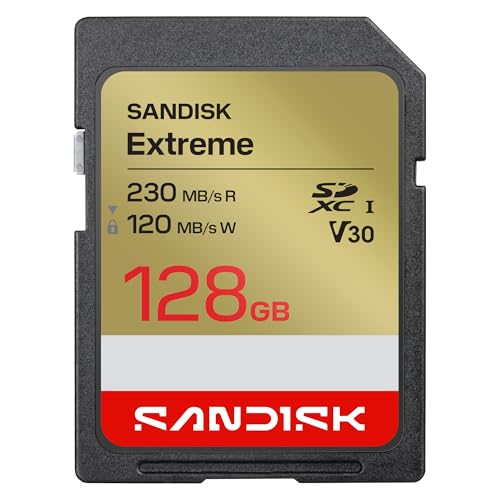
Choosing the right SD card for your Nikon D850 comes down to your shooting style and priorities. For most photographers, the SANDISK 128GB Extreme SD Memory Card offers an outstanding balance of speed, capacity, and value, making it a versatile workhorse. If you demand the absolute fastest buffer clearing and are a professional who shoots high-volume bursts or 4K video, the SANDISK 128GB Extreme PRO SD Memory Card is the top-tier choice that won’t let you down.
Frequently Asked Questions
What is the fastest SD card for the Nikon D850 in 2026?
The fastest SD cards for the D850 are UHS-II models with read speeds up to 300 MB/s and write speeds around 260 MB/s. These cards, like the SanDisk Extreme PRO UHS-II, can clear the camera’s buffer almost instantly, allowing for extended continuous shooting bursts. They also make offloading large files to your computer much quicker.
Is UHS-II worth it for the Nikon D850?
Absolutely, if you shoot action, sports, or wildlife, or record 4K video. The D850 supports UHS-II, and using a UHS-II card ensures you can take full advantage of its high-speed continuous shooting and video capabilities. You’ll notice a significant difference in buffer clearing times and file transfer speeds compared to UHS-I cards.
What capacity SD card should I get for the Nikon D850?
For the D850, a 128GB card is a great starting point, holding roughly 2,500 RAW images or about 30 minutes of 4K video. If you shoot frequently or don’t want to change cards often, consider 256GB or 512GB. Just remember to factor in a reliable backup system, as larger cards mean more data at risk if something goes wrong.
Can I use UHS-I SD cards in the Nikon D850?
Yes, the D850 is fully compatible with UHS-I cards. They will work perfectly fine for everyday shooting and Full HD video. However, you won’t achieve the same high-speed burst rates or fast file transfers as you would with a UHS-II card. For basic photography, a high-quality UHS-I card is a budget-friendly option.