You’re out in the field, the light is perfect, and you fire off a rapid burst of RAW shots. Then, the camera buffers. The moment is gone, and you’re left waiting for the card to catch up. If this sounds familiar, the problem isn’t your camera, it’s your memory card. This guide is for photographers who shoot RAW and need a card that can handle high-speed continuous shooting, large file sizes, and demanding video. We’ll break down the best SD cards for shooting RAW, focusing on write speeds, capacity, and reliability.




Buying Guide
Write Speed: The Key to Continuous Shooting
When you shoot RAW, your camera has to write a lot of data quickly, especially during burst mode. The write speed, measured in MB/s, determines how long the camera’s buffer takes to clear. A card with a slow write speed will fill the buffer quickly, causing the camera to stall. Look for a card with a high sustained write speed, not just a peak speed.
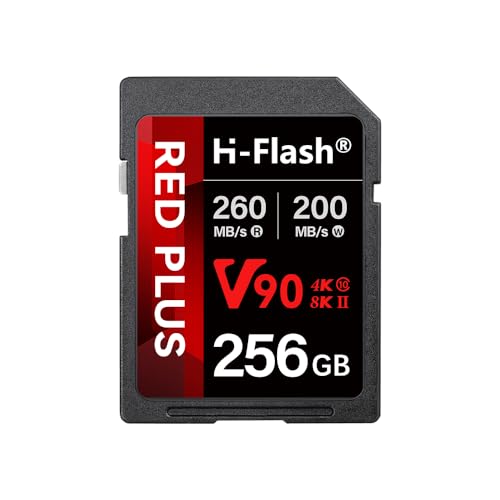
For most RAW shooters, a card with a V30 rating is a good starting point, as it guarantees a minimum write speed of 30MB/s. However, for serious action or sports photography, a V60 or V90 card is better. These higher-rated cards ensure the camera can keep up with the fastest burst rates, so you never miss a shot. Consider what you shoot most often to determine the right speed class for your needs.
Capacity and Workflow
RAW files are large, and the capacity of your card directly impacts how long you can shoot before needing to offload. A 64GB card is fine for light shooting, but a 128GB or 256GB card is more practical for a day of work. Think about your typical shooting style and carry a few cards if you need more space. Having extra cards is always a good idea.
Also, consider your workflow. If you’re constantly transferring files to your computer, a card with fast read speeds will save you time. A card with a read speed of 250MB/s or higher can significantly speed up your post-processing workflow. For more on picking the right card for your camera, check out our guide on SD cards for mirrorless cameras.
Reliability and Durability
Your photos are irreplaceable, so you need a card that is reliable. Look for cards that are shockproof, waterproof, and X-ray proof, especially if you shoot in challenging environments. A card that fails can mean lost images and a ruined shoot. A robust build quality gives you peace of mind.
Brands like Delkin Devices and OWC are known for their rugged designs and strong warranties. A lifetime warranty is a sign of a manufacturer’s confidence in their product. When you’re out in the field, you need to trust that your gear can handle the conditions, and a durable card is an essential part of that trust.
Compatibility with Your Camera
Not all SD cards are created equal, and not all cameras support the same standards. Check your camera’s manual to see if it supports UHS-II, which is faster than UHS-I. If your camera only supports UHS-I, a UHS-II card will still work, but it will run at the slower UHS-I speed. It’s a good idea to match the card’s speed class to your camera’s capabilities.
For older DSLRs, a UHS-I card is often sufficient, but for newer mirrorless models, UHS-II is the way to go. The best SD cards for DSLR often balance speed and capacity, but always verify your camera’s specific requirements. This ensures you get the performance you’re paying for, without bottlenecks.
Final Thoughts
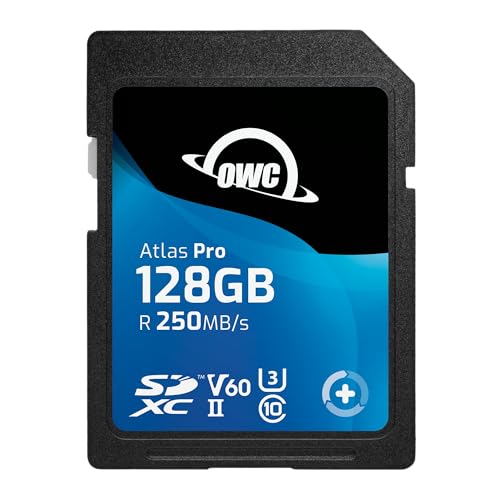
Choosing the right SD card for RAW shooting is about matching the card’s speed and capacity to your specific needs. For most photographers, the OWC Atlas Pro 128GB SDXC UHS-II V60 Memory Card offers a great balance of performance and value, while the Delkin Devices Power 32GB SDHC UHS-II (U3/V90) is a top choice for those who need maximum write speeds for high-resolution bursts and 4K video.
Frequently Asked Questions
What is the best SD card for RAW photography?
The best SD card for RAW photography depends on your camera and shooting style. Look for a card with a high write speed, ideally V60 or V90, to handle rapid bursts. For most photographers, a 128GB or 256GB card from a reputable brand offers the best combination of speed and capacity.
Do I need a V90 SD card for RAW shooting?
A V90 card is not strictly necessary for all RAW shooting, but it is beneficial if you shoot high-speed action or 4K/8K video. The V90 rating guarantees a minimum write speed of 90MB/s, which ensures your camera can clear its buffer quickly. For casual or studio RAW work, a V60 card is often sufficient.
How many photos can a 64GB SD card hold in RAW?
The number of RAW photos a 64GB card can hold varies depending on your camera’s resolution and file size. Typically, a 64GB card can store between 1,000 and 1,500 RAW images from a 24-megapixel camera. For higher-resolution sensors, you might get fewer shots, so consider a larger card if you shoot a lot.
Are UHS-II SD cards worth it for RAW?
Yes, UHS-II cards are worth it for RAW shooting if your camera supports them. They offer significantly faster write speeds than UHS-I, which reduces buffer clearing time and improves overall shooting experience. If you find yourself waiting on your camera to keep up, a UHS-II card is a worthwhile upgrade.