If your dog scarfs down dinner in under thirty seconds, you know the struggle. Gulping leads to bloating, vomiting, and even life-threatening gastric dilatation-volvulus. A slow feeder dog bowl forces your pup to work for every bite, turning mealtime into a brain game. In this guide, we have evaluated ten of the best slow feeder dog bowls on the market, from simple maze designs to heavy-duty stainless steel options. Whether you have a tiny terrier or a giant Great Dane, there is a bowl here that will help your dog eat at a healthier pace. For additional feeding solutions, check out our roundup of best elevated dog bowls to improve your dog’s posture during meals.




Buying Guide: What to Look for in a Slow Feeder Dog Bowl
Material Matters: Plastic, Ceramic, or Stainless Steel
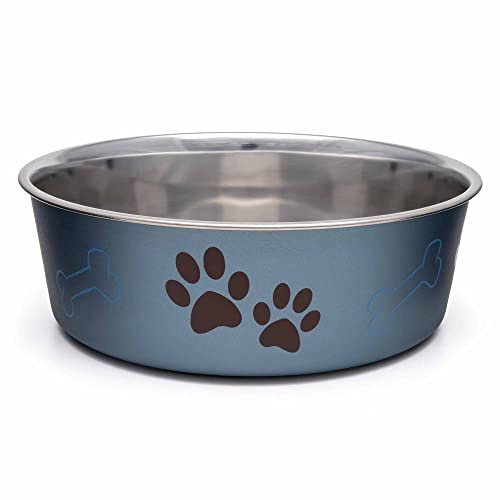
Plastic bowls are lightweight and affordable, but some dogs develop chin acne or allergies. Ceramic bowls like the Sted Ceramic Slow Feeder are heavy, non-porous, and resist bacteria. Stainless steel options such as the Feedoo and OurPets DuraPet are durable, rust-resistant, and dishwasher safe. For dogs with sensitive skin, ceramic or stainless steel is the safer choice.
Maze Complexity and Eating Speed
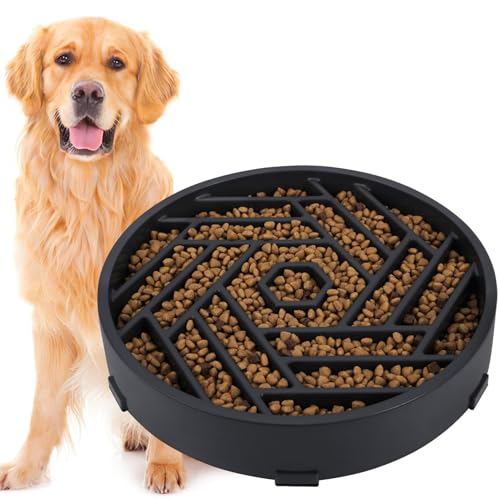
Not all maze designs are equal. Some bowls have simple ridges that slow eating by 2x, while others like the Outward Hound Fun Feeder Slo Bowl (Slowest level) can delay consumption by up to 10x. If your dog is a speed demon, choose a bowl with deep, intricate patterns. For a dog that only needs a gentle nudge, a shallower maze works fine. Pairing a slow feeder with a timed dog feeder can further regulate meal portions.
Size and Capacity
Slow feeder bowls come in capacities from 2 cups to 8 cups. Small breeds and cats do well with 2-cup bowls like the MateeyLife 2-Pack or the Outward Hound Medium. Large breeds need at least 4 cups, such as the TOBYTO or Outward Hound Large. Measure your dog’s typical meal size and choose a bowl that holds that amount without overflowing.
Non-Slip Base and Stability
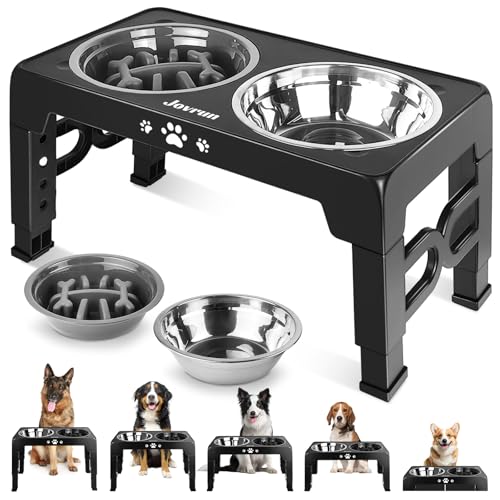
A bowl that slides across the floor defeats the purpose of slow feeding. Look for rubber rings, silicone bases, or adhesive pads. The JASGOOD bowl includes six non-slip pads, while the Sted bowl has a detachable silicone base. For extra stability, consider an elevated stand like the Jovrun model, which also reduces neck strain. If your dog tends to push bowls around, a heavy ceramic or stainless steel bowl with a non-slip bottom is essential.
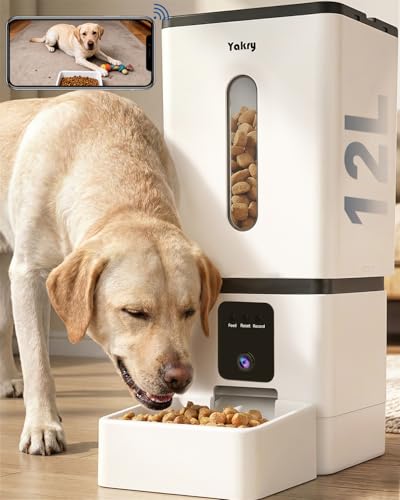
For dogs that eat wet food or need portion control, an automatic dog feeder for small dogs can complement a slow feeder for scheduled meals.
Final Thoughts
Choosing the right slow feeder dog bowl comes down to your dog’s size, eating speed, and material preference. For a durable, easy-to-clean option that works for medium to large breeds, the TOBYTO Slow Feeder Dog Bowls Large Medium offers a fun labyrinth design with a non-slip base. If you prefer a heavier, hygienic ceramic bowl that also prevents chin acne, the Sted Ceramic Slow Feeder Dog Bowls for Medium is a fantastic choice. Both products have been validated by thousands of pet owners and will help your dog enjoy meals at a healthier pace.
Frequently Asked Questions
Are slow feeder dog bowls good for all dogs?
Most dogs benefit from slow feeders, especially those that eat too quickly. However, flat-faced breeds like pugs or bulldogs may struggle with deep maze designs. For them, choose a shallow bowl with wide ridges. Always supervise your dog during the first few uses.
Can I use a slow feeder for wet food?
Yes, many slow feeder bowls work with wet, raw, or dry food. Ceramic and stainless steel bowls are easiest to clean after wet food. Plastic bowls may retain odors. Rinse immediately after use to prevent buildup.
How do I clean a slow feeder dog bowl properly?
Most slow feeders are dishwasher safe on the top rack. For hand washing, use warm soapy water and a bottle brush to reach crevices. Dry thoroughly to prevent bacterial growth. Replace plastic bowls if they become scratched, as scratches can harbor germs.
Will a slow feeder stop my dog from bloating?
Slow feeders significantly reduce the risk of bloat by slowing down air intake. However, they are not a guarantee. If your dog is prone to bloat, consult your veterinarian and consider feeding smaller, more frequent meals. An automatic dog feeder for large dogs can help with portion scheduling.