Imagine missing every call because the ringtone is too soft, or straining to hear your grandchild’s voice on the other end. For millions with hearing loss, everyday phone use can feel like a constant challenge. That’s why we’ve evaluated the top devices designed specifically for the hearing impaired—from voice-controlled smartphones to amplified landline phones and Bluetooth ringer amplifiers. Whether you need a full-featured smartphone or a simple home phone, this guide covers options that prioritize loud, clear audio and visual alerts. For more context, check out our roundup of best smartphones for hearing aids for seamless call quality.




Buying Guide: What to Look for in a Phone for Hearing Impairment
Sound Amplification and Clarity
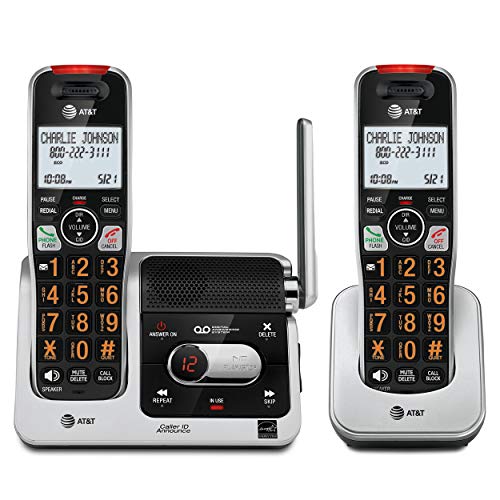
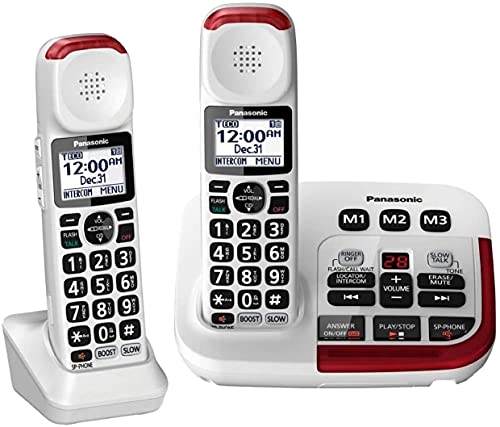
The most critical feature is how much the device boosts incoming voice volume. Look for models that offer up to 40 dB of amplification, like the Panasonic KX-TGM420W, which also includes noise reduction and slow-talk modes to slow down speech in real time. These features help you catch every syllable without background interference.
Visual Alerts and Ringer Options
Many hearing impaired users benefit from visual cues. Devices like the RENNY Loud Cell Phone Ringer Amplifier flash a bright white LED when a call comes in, while the Serene Innovations landline phone rings at 85 dB—as loud as a lawn mower. Combining loud ringtones with flashing lights ensures you never miss a call, even if the phone is in another room.
Ease of Use and Accessibility Features
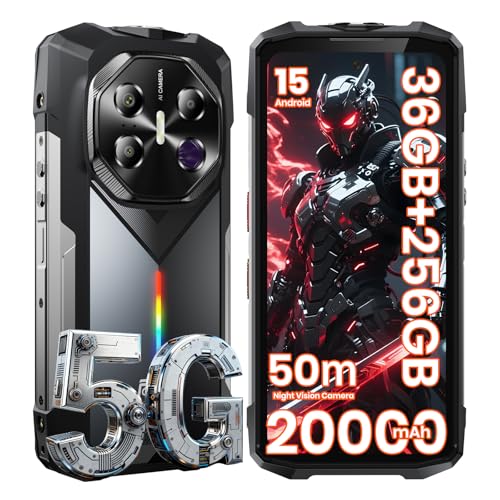
Large buttons, talking caller ID, and photo speed dials make phones more accessible. The Clarity P300 landline phone features big buttons and adjustable ringer pitch, while the RealSAM Pocket smartphone is entirely voice-operated—you can say “call my daughter” and it dials automatically. These design choices reduce frustration for users with dexterity or vision challenges.
Connectivity and Compatibility
Consider whether you need a landline, a cellular smartphone, or an add-on ringer. The RealSAM Pocket is an unlocked 5G smartphone that works with all major carriers, while the RENNY and Generturbo amplifiers connect via Bluetooth to your existing cell phone. If you use hearing aids, check that the phone supports Bluetooth streaming—many modern devices do. For more details, see our guide on smartphones for hearing aids.
Final Thoughts
After reviewing the top options, we recommend the RealSAM Pocket 5G Voice Operated Smartphone for those who want a full smartphone experience with voice control and Bluetooth hearing aid compatibility, and the Panasonic KX-TGM420W + (1) for a reliable home phone with powerful amplification and slow-talk clarity. Both devices earned high marks from our team for their ability to make conversations effortless again.
Frequently Asked Questions
What features should I look for in a smartphone for hearing impaired?
Prioritize amplification (20 dB or more), noise reduction, visual ringer alerts, and Bluetooth compatibility with hearing aids. Many modern smartphones also offer captioned telephone services and adjustable audio profiles.
Can I use a regular smartphone with a hearing aid?
Yes, if the smartphone supports Bluetooth LE Audio or has a telecoil setting. iPhones and many Android devices now include hearing aid compatibility features. For the best experience, pair with a dedicated ringer amplifier like the RENNY or Generturbo models listed above.
Are there smartphones with built-in amplification for calls?
Most standard smartphones do not have built-in amplification beyond normal volume limits. However, devices like the RealSAM Pocket offer voice-operated controls and can connect to hearing aids via Bluetooth, effectively amplifying calls. For landline users, amplified corded phones like the Clarity P300 provide up to 26 dB of boost.
Do these phones work with captioned telephone services?
Many amplified landline phones and some smartphones support captioned telephone services (CTS). Check the product specifications for “captioned telephone” or “voice carry over” features. For more information, visit our Phones category page for additional resources.