Every serious player knows that the right training ball can make or break your practice sessions. Whether you are fine-tuning your dribbling, working on passing accuracy, or simulating match conditions, the ball you use directly impacts your development. In this guide, we have evaluated three top-rated adidas soccer balls designed specifically for training. From the budget-friendly Starlancer Club to the feature-rich World Cup League ball, we break down what each offers so you can choose the best soccer ball for training in 2026. If you are also looking for a reliable match ball, check out our roundup of the best soccer ball options.


How to Choose the Best Soccer Ball for Training
Durability and Construction
A training ball must withstand repeated kicks, passes, and surface impacts. Machine-stitched construction, like that found on the adidas Starlancer Club Soccer Ball, 1 Pack, offers a soft touch while holding up to regular use. For more aggressive play, the adidas Unisex MLS Soccer Ball, 1 Pack uses a TPU laminated surface that resists wear on grass and turf. Look for reinforced stitching and robust outer layers to ensure your ball lasts season after season.
Air Retention and Bladder
Nothing disrupts a training session faster than a deflated ball. All three adidas models feature a butyl bladder, which provides superior air retention compared to standard latex bladders. The Adidas Unisex-Adult World Cup League Soccer Ball incorporates a patched carcass design that minimizes air loss, so you spend more time practicing and less time pumping. For consistent performance, choose a ball that holds its shape and pressure throughout your drills.
Surface and Touch
The ball’s surface affects how it responds to your foot. The World Cup League ball uses TSBE technology, a seamless surface that improves touch and reduces water uptake in wet conditions. The MLS ball’s TPU lamination delivers a smooth finish that feels consistent on any surface. For casual training, the Starlancer Club’s machine-stitched cover offers a reliable feel without breaking the bank. Consider where you train most often, grass, turf, or hard ground, when choosing the right surface texture.
Certification and Official Standards
If you plan to use your training ball for competitive matches or school programs, check for official certifications. The adidas Unisex MLS Soccer Ball, 1 Pack is NFHS approved for high school play, meeting strict standards for circumference, weight, and rebound. The World Cup League ball is officially licensed by FIFA and passes rigorous tests on water absorption and shape retention. These certifications ensure the ball performs consistently, whether you are training alone or in a team setting.
Final Thoughts
Choosing the best soccer ball for training comes down to your specific needs and budget. For players who want a reliable, affordable option for casual practice, the adidas Starlancer Club Soccer Ball, 1 Pack delivers solid durability and a soft touch. If you need a ball that meets high school standards and handles aggressive play, the adidas Unisex MLS Soccer Ball, 1 Pack offers excellent air retention and a TPU surface built for consistent performance. Both are excellent choices that will elevate your training sessions throughout 2026.
Frequently Asked Questions
What size soccer ball should I use for training?
Most adult training sessions use a size 5 ball, which is the standard for ages 12 and up. Youth players typically use size 4 (ages 8 to 12) or size 3 (under 8). All three adidas balls in this review are size 5, suitable for high school, college, and adult players. Always check the ball’s size before purchasing to ensure it matches your age group and league requirements.
How often should I inflate my training soccer ball?
With a butyl bladder, you can expect to inflate your ball every one to two weeks, depending on usage and storage conditions. The adidas Starlancer Club and MLS balls both retain air well, but it is a good habit to check the pressure before each session. For best performance, maintain a pressure between 8.5 and 15.6 psi, as recommended by FIFA. If you notice frequent deflation, inspect the valve for damage.
Can I use a training soccer ball on artificial turf?
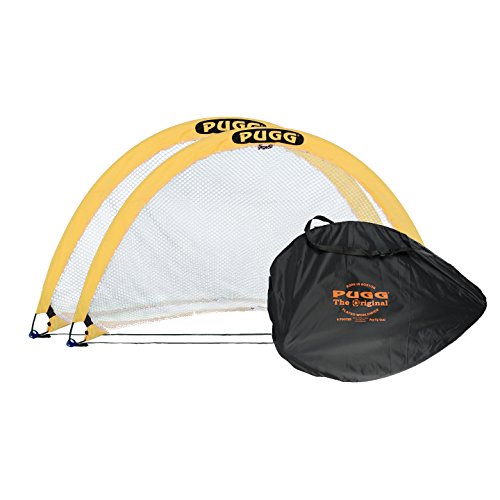
Yes, all three adidas training balls are suitable for artificial turf. The TPU laminated surface on the MLS ball and the machine-stitched cover on the Starlancer Club are designed to withstand the abrasion of turf. The World Cup League ball’s seamless TSBE surface also performs well on synthetic grass. For dedicated turf use, consider a ball with reinforced stitching to extend its lifespan. For more tips on choosing the right equipment, see our guide on best portable soccer goal for practice setups.
What is the difference between machine-stitched and hand-stitched soccer balls?
Machine-stitched balls, like the adidas Starlancer Club, are mass-produced with synthetic panels stitched together by machines. They offer good durability and a softer feel at a lower cost. Hand-stitched balls are crafted by skilled workers and typically have a more consistent shape and better water resistance, but they come at a higher price point. For training purposes, a high-quality machine-stitched ball is often sufficient, especially if you are on a budget.