

You are ready to move beyond your smartphone or bulky DSLR to a mirrorless camera that delivers stunning image quality without the weight. Sony has become a powerhouse in this space, offering cameras that excel in autofocus, dynamic range, and compact design. Whether you shoot portraits, landscapes, or video, there is a Sony mirrorless body built for your needs. For a broader look at mirrorless technology, explore our Cameras category.
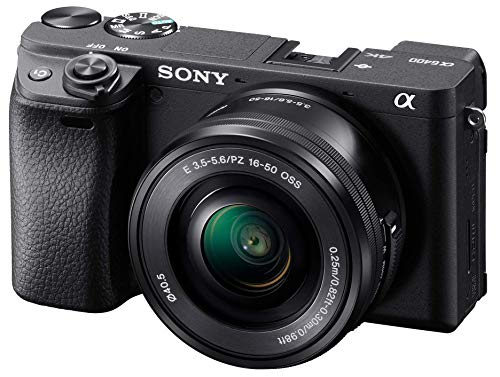
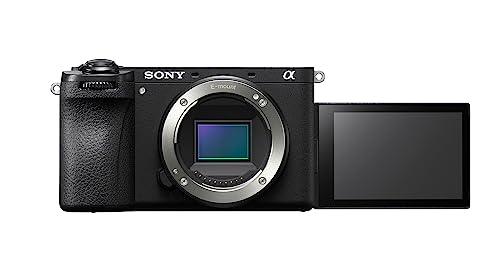
In this guide, we review four of the best Sony mirrorless cameras currently available: the full-frame Alpha a7 III and Alpha a7 IV, and the APS-C Alpha a6400 and Alpha a6700. Each model represents a different price point and use case, so you can find the perfect match for your photography style and budget.


Buying Guide
Sensor Size: Full-Frame vs APS-C
Choosing between full-frame and APS-C is your first big decision. Full-frame sensors (like those in the Alpha a7 III and a7 IV) offer superior low-light performance, wider dynamic range, and shallower depth of field. APS-C sensors (found in the a6400 and a6700) are lighter, more affordable, and still deliver excellent image quality, especially for travel and everyday use.
If you shoot professionally or in challenging light, a full-frame body is worth the investment. For casual enthusiasts or vloggers, the APS-C models provide a great balance of performance and portability. For more on sensor choices, see our guide on best mirrorless cameras with image stabilization.
Autofocus Performance
Sony is famous for its autofocus technology, and all four cameras here benefit from fast, accurate phase-detection systems. The Alpha a7 IV and a6700 include the latest AI-based subject recognition, making them ideal for tracking moving subjects like wildlife or sports. The a7 III and a6400 are no slouches either, with 693 and 425 phase-detection points respectively.
Real-time Eye AF works on humans, animals, and even birds, ensuring sharp focus on the eyes. This feature alone makes Sony mirrorless cameras a top choice for portrait and event photographers. For weather-sealed options, check out Top Weather Sealed Mirrorless Cameras for Outdoor Photography.
Video Capabilities
Video is a major consideration for many buyers. The Alpha a7 IV records 4K 60p 10-bit 4:2:2 with full pixel readout, and the a6700 offers 4K 120p high frame rate for slow motion. The a7 III and a6400 are also capable, but lack some of the latest codecs and bit rates. If video is your priority, the a7 IV or a6700 are the clear winners.
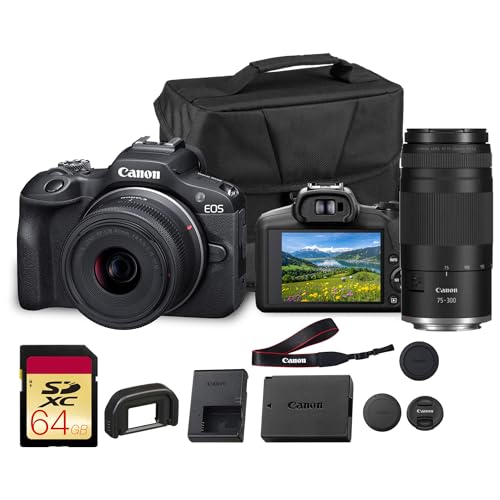
All models support S-Log and HLG for color grading, and the a7 IV includes S-Cinetone for a cinematic look straight out of camera. For more on video features, see our canon EOS R100 for comparison, though Sony leads in this area.
Ergonomics and Build Quality
Handling and durability matter when you are out shooting all day. The a7 III and a7 IV have larger grips and weather sealing, making them comfortable for long sessions. The a6400 and a6700 are more compact, with a flip screen that vloggers love. The a6700 adds a deeper grip and improved button layout over the a6400.
Battery life is excellent across the board thanks to the NP-FZ100 battery (except the a6400 uses the smaller NP-FW50). If you need ruggedness, the full-frame models are better suited for outdoor conditions. For more on rugged cameras, visit Top Weather Sealed Mirrorless Cameras for Outdoor Photography.
Final Thoughts
After evaluating each camera’s strengths, we recommend the Sony Alpha 7 IV Full-frame Mirrorless for those who want the best all-around performer with cutting-edge autofocus and video, while the Sony Alpha a6400 Mirrorless Camera is an outstanding choice for beginners and vloggers on a budget. Both deliver the renowned Sony image quality and reliability that have made the brand a leader in mirrorless technology.
Frequently Asked Questions
Which Sony mirrorless camera is best for beginners in 2026?
The Sony Alpha a6400 is an excellent starting point. Its 24.2MP sensor, fast autofocus, and user-friendly flip screen make it easy to learn on. It also produces great 4K video, so you can grow your skills without upgrading soon.
Is the Sony a7 III still worth buying in 2026?
Absolutely. The a7 III remains a powerful full-frame camera with 24.2MP, 15-stop dynamic range, and reliable autofocus. While newer models have more advanced video features, the a7 III is still a fantastic value for stills photographers and hybrid shooters on a budget.
What is the difference between Sony a7 IV and a6700?
The a7 IV is a full-frame camera with a 33MP sensor, while the a6700 is an APS-C model with 26MP. The a7 IV offers better low-light performance and shallower depth of field, but the a6700 is more compact and includes a dedicated AI processor for subject tracking. Choose based on your sensor size preference and portability needs.
Do Sony mirrorless cameras have good video features?
Yes, Sony leads in video capabilities. The a7 IV and a6700 support 10-bit 4:2:2 internal recording, S-Log, and high frame rates. For the best video performance, consider the a7 IV or a6700. For more on video stabilization, see our guide on best mirrorless cameras with image stabilization.




