You are mounting a heavy shelf or a new TV, but you cannot seem to find a solid anchor point behind the drywall. That is where a reliable stud finder becomes essential. In this guide, we evaluate the best stud finder options on the market for 2026. Whether you are a professional contractor or a weekend DIYer, these tools help you locate wood and metal studs, avoid electrical hazards, and get your project done safely. We have assessed 10 leading models from top brands like Franklin Sensors, Bosch, and Prexiso, focusing on accuracy, ease of use, and extra features. For related precision tools, check out our reviews of the best laser level for DIY projects.





Buying Guide: What to Look for in a Stud Finder
Number of Sensors
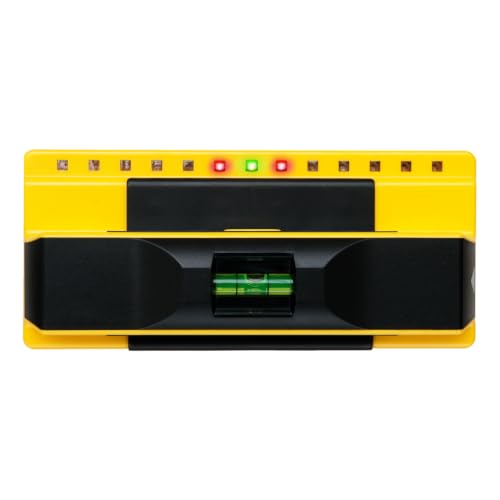
More sensors mean greater accuracy. Traditional stud finders use one or two sensors, often requiring multiple passes to confirm a stud. Models from Franklin Sensors feature 9 to 13 sensors, showing the full width of the stud in a single scan. This reduces guesswork and speeds up your work.
Depth Detection
Standard stud finders penetrate up to 1.5 inches, but some walls have thicker drywall, tile, or multiple layers. For deep scanning, look for models that offer extended depth, like the Franklin Sensors ProSensor MAX with 2.5-inch detection. If you work with plaster or thick finishes, a deep scan mode is a must.
Ease of Use and Calibration
No one wants to fiddle with complex setup. The best stud finders require no manual calibration. You simply press a button and start scanning. Franklin Sensors and many modern units auto-calibrate, letting you start anywhere on the wall, even directly over a stud. This saves time and frustration.
Extra Features: Wire Detection, Laser, and Level
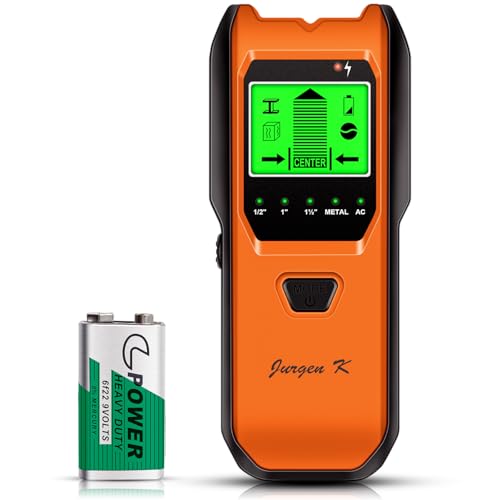
Safety is paramount. Live wire detection alerts you to hidden electrical cables before you drill. Some units, like the PREXISO 2-in-1, also include a laser level for precise line marking. Built-in bubble levels help you keep shelves straight. These extras turn a simple stud finder into a multifunctional tool.
Final Thoughts
After reviewing the top contenders, our overall recommendation leans toward the Franklin Sensors ProSensor M210 13-Sensor Stud for its outstanding accuracy and no-calibration ease, making it a top choice for most homeowners and DIYers. For professionals who need rugged reliability and multi-material detection, the BOSCH GMS120-27 Professional Wall Scanner offers unmatched precision and durability on the job site. Whichever you choose, a quality stud finder saves time, prevents damage, and gives you confidence in your next project.
Frequently Asked Questions
How does a stud finder work?
Electronic stud finders use capacitive sensors to detect changes in wall density behind drywall. When the sensor passes over a stud, it registers the denser material and triggers a visual or audible alert. More advanced models use multiple sensors to map the stud’s full width.
What is the best stud finder for thick walls?
For walls with double drywall, tile, or plaster, a deep-scan stud finder like the Franklin Sensors ProSensor MAX (2.5-inch depth) is ideal. It uses larger sensors to penetrate multiple layers without losing accuracy. In 2026, this model is the top pick for challenging surfaces.
Do stud finders detect electrical wires?
Yes, many modern stud finders include a live AC wire detection mode. This feature alerts you to energized cables behind the wall, helping you avoid drilling into wiring. Always verify with a non-contact voltage tester for extra safety, but a stud finder with wire detection is a valuable first defense.
Can I use a stud finder on plaster walls?
Plaster walls can be challenging because they are denser than drywall and often have wire mesh. Some stud finders, like those from Franklin Sensors with deep scan mode, work reasonably well on plaster. However, magnetic stud finders are sometimes more reliable for plaster because they locate the screws or nails holding the lath. For accurate results, check the product specifications for plaster compatibility.
For more tool recommendations, explore our Tools category.