You’re staring at a pile of textbooks, a syllabus that feels like a novel, and a laptop that takes five minutes just to open a browser tab. If that sounds familiar, you’re not alone. For students on a tight budget, finding a reliable laptop under $400 can feel like searching for a needle in a haystack. But it’s absolutely possible to get a machine that handles online classes, research papers, and group projects without crashing.
This guide breaks down the best laptops for students under $400, focusing on what actually matters: processor speed, RAM, storage, battery life, and portability. Whether you’re a high schooler tackling AP classes or a college freshman majoring in business, we’ve got you covered. We’ve evaluated top models from HP, Lenovo, and others to help you make a smart choice.
Let’s dive in and find the perfect study buddy that won’t let you down before graduation.




How to Choose the Right Student Laptop Under $400
Picking the right laptop isn’t just about the price tag. It’s about matching the machine to your daily routine. Here are the key factors we always consider when reviewing budget laptops for students.
Processor: The Brain of Your Laptop
The processor determines how fast your laptop can handle tasks. For under $400, you’ll mostly see Intel Celeron, Pentium, or Core i3 chips, plus some MediaTek options. If you’re mostly writing essays, browsing, and streaming, a Celeron N4120 or N4500 is plenty. But if you plan to multitask heavily or run light photo editing, look for a Core i3 or a newer N150 processor.
For example, the best student laptops under $600 often feature faster chips, but you can still get a capable quad-core Celeron in this price range. Just avoid dual-core processors from several years ago—they’ll struggle with modern websites and apps.
RAM and Storage: Multitasking and Space
RAM is your laptop’s short-term memory. 4GB is the bare minimum for basic tasks, but 8GB is much more comfortable if you like having multiple tabs open. Storage matters too: eMMC is slower but cheaper, while SSD is faster and more reliable. For under $400, you’ll often get 64GB to 128GB of eMMC, which is fine for cloud-based work but might fill up quickly.
Some models, like the HP 14″ with 128GB UFS, offer better performance. If you need more space, look for a laptop with an SD card slot or a USB port for external drives. That way, you can expand storage without spending a fortune.
Display and Battery Life
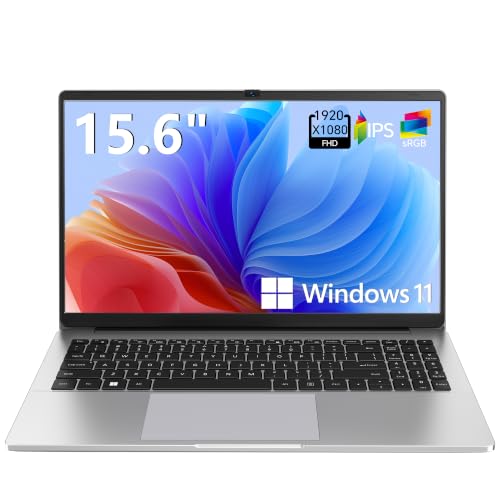
A good screen makes a huge difference during long study sessions. Look for at least a 14-inch HD display, but Full HD (1920×1080) is even better for crisp text and clear images. Anti-glare screens are a bonus if you often work near windows or in bright libraries.
Battery life is another dealbreaker. You don’t want your laptop dying between classes. Aim for at least 8 hours of real-world usage. Many models in this range claim 10 to 12 hours, but that’s often under ideal conditions. Check reviews for real-world battery performance before you buy.
Ports and Connectivity
Think about what you’ll plug in: a mouse, USB drive, HDMI for presentations, or a monitor. USB-C is becoming standard, so having at least one port is great for fast charging and data transfer. Also, Wi-Fi 6 is worth looking for—it’s faster and more stable in crowded dorms or coffee shops.
If you’re carrying your laptop to class every day, check the weight. A 3-pound laptop is easy to slip into a backpack. For more tips on staying organized, check out our guide to the best laptop backpacks with a laptop compartment.
Why Trust Our Recommendations?
We don’t just pick random laptops—we analyze specs, read user feedback, and compare performance across models. Our goal is to find machines that offer the best value for students on a budget. We focus on real-world performance, not just marketing claims.
We also consider build quality, keyboard comfort, and customer support. A laptop that lasts through four years of college is worth more than a slightly cheaper one that dies after a year. That’s why we recommend sticking to reputable brands like HP and Lenovo, which offer reliable support and warranties.
Final Thoughts
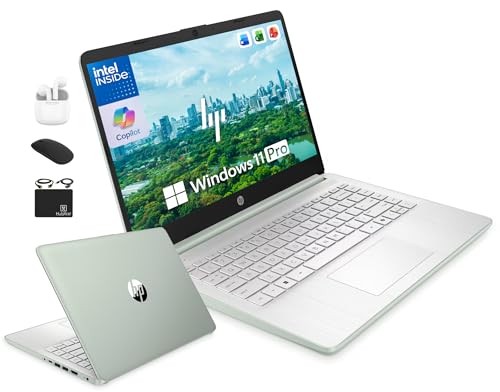
Finding the right student laptop under $400 comes down to balancing performance, portability, and price. For most students, the HP 14″ HD Chromebook Laptop for Students is a fantastic all-rounder with solid battery life and a responsive touchscreen, perfect for note-taking and streaming. If you need more storage and the familiarity of Windows, the HP 14″ Laptop, Intel Processor N150 (Beat i3) offers great performance with a year of Microsoft 365 included. Whichever you choose, you’ll get a dependable machine that won’t let you down during those late-night study sessions.
Frequently Asked Questions
Can I really get a good laptop under $400?
Absolutely. The key is to focus on your specific needs. For basic tasks like word processing, browsing, and streaming, a Chromebook or a budget Windows laptop with a Celeron or Core i3 processor will work perfectly. Just avoid heavy gaming or video editing on a budget machine.
Should I buy a Chromebook or a Windows laptop for college?
It depends on your major. If you’re in humanities, social sciences, or business, a Chromebook is great for cloud-based tools like Google Docs and email. But if you need specific software like Microsoft Office or engineering programs, a Windows laptop is more versatile. Many students prefer Windows for its compatibility with desktop applications.
How much RAM do I really need?
For most students, 8GB of RAM is the sweet spot. It handles multiple browser tabs, streaming, and office applications without slowing down. If you’re on a tight budget, 4GB can work for basic tasks, but you’ll notice lag when multitasking heavily. Consider your study habits when deciding.
Is battery life important for a student laptop?
Yes, very. You don’t want to be hunting for an outlet between classes. Look for a laptop with at least 8 hours of real-world battery life. Many models in this price range offer 10 to 12 hours, but that’s often under ideal conditions. Check reviews for real-world performance, and consider carrying a lightweight charger just in case.