

You stand at the watch counter, or maybe you scroll endlessly online, torn between a dozen Swiss timepieces. Each one promises precision, heritage, and style, but how do you separate true craftsmanship from clever marketing? Whether you’re a first-time buyer looking for a reliable everyday watch or a seasoned collector seeking your next statement piece, this guide cuts through the noise.
We’ve curated a selection of Swiss watches that excel in different areas: from rugged diver models built for adventure to elegant chronographs that command attention. Our goal is to help you understand what makes a Swiss watch exceptional and how to choose one that fits your lifestyle. We’ll also touch on the importance of reliable movement and durable materials, so you can make an informed decision with confidence.



Buying Guide: How to Choose the Right Swiss Watch
Movement Type: Automatic, Quartz, or Chronograph
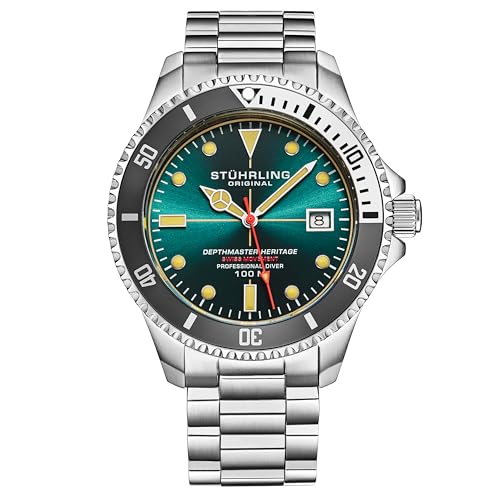
The movement is the heart of any Swiss watch. Automatic movements, like the one in the MIDO Ocean Star 39, are powered by your wrist’s motion and offer a classic, self-sustaining mechanism. They often feature a see-through case back, showcasing the intricate craftsmanship. If you prefer precision and low maintenance, a Swiss quartz movement, such as the one in the Stuhrling Original Depthmaster Heritage Diver, is a reliable choice.
For those who love functionality and a sporty aesthetic, a chronograph movement, like the one in the LIV GX1 Swiss Chronograph Watch, adds stopwatch capabilities. Consider which type aligns with your daily needs and style preferences. Each movement type has its own charm, and your choice will significantly impact the watch’s character.
Case Size and Lug Width
Finding the right case size is crucial for comfort and style. A 39mm case, like the MIDO Ocean Star, suits smaller wrists and offers a classic, versatile look. On the other hand, a larger 45mm case, like the LIV GX1, makes a bold statement and is ideal for those who prefer a prominent presence. Consider your wrist size and personal style when choosing.
Lug width matters if you plan to swap straps. Standard widths like 20mm or 23mm offer more aftermarket options. For more insights on different case sizes, check out our guide on the best 38mm watches or best 44mm watches to see how different dimensions feel.
Water Resistance and Durability
If you plan to swim or dive, water resistance is non-negotiable. Look for at least 100 meters (330 feet) for recreational swimming, and 200 meters or more for serious diving. The Stuhrling Original Depthmaster offers 100 meters, while the LIV GX1 provides 200 meters, making them both practical choices for water enthusiasts.
Sapphire crystal is a must for scratch resistance, and a solid stainless steel case ensures longevity. For those who need a rugged companion for outdoor activities, explore our recommendations for best watches for big wrists or best Suunto watches for extra durability.
Style and Versatility
Your watch should reflect your personality and fit various occasions. A dive watch with a teal dial, like the Stuhrling, adds a pop of color to casual outfits. A classic blue dial and steel bracelet, as seen on the MIDO Ocean Star, transitions seamlessly from boardroom to beach. For a more rugged and sporty look, the LIV GX1’s multi-layer dial and knurled bezel are distinctive.
Consider the straps and included extras. The MIDO comes with an additional blue rubber strap, offering flexibility. If you prefer a more minimalist or dressy aesthetic, explore our guide on best 36mm watches for smaller, more elegant options.
Final Thoughts
Choosing the right Swiss watch is a personal journey that blends style, functionality, and heritage. For those who value precision and a rugged aesthetic, the Stuhrling Original Depthmaster Heritage Diver is a fantastic choice, while the MIDO Ocean Star 39 offers an elegant, versatile option for both men and women. Whichever you choose, you’re investing in a piece of Swiss excellence that will serve you for years to come.
Frequently Asked Questions
What is the difference between a Swiss quartz and a Swiss automatic watch?
A Swiss quartz watch uses a battery-powered movement for precise, low-maintenance timekeeping, while an automatic watch is powered by the motion of your wrist, offering a traditional, self-sustaining mechanism. Quartz is often more accurate and affordable, but automatics are cherished for their craftsmanship and the connection they create with the wearer. For many enthusiasts, the choice comes down to convenience versus heritage.
Are Swiss watches worth the investment?
Absolutely. Swiss watches are renowned for their exceptional quality, precision, and durability, often featuring sapphire crystals and stainless steel cases that withstand daily wear. They also hold their value well, making them a smart investment. Whether you choose a classic diver or a chronograph, you’re purchasing a reliable timepiece that can last for generations with proper care.
How do I choose the right size Swiss watch for my wrist?
Consider your wrist circumference and personal style. For smaller wrists (under 7 inches), a case diameter of 36mm to 40mm is typically more comfortable and proportionate. For larger wrists, 42mm to 45mm cases make a bolder statement. If you’re unsure, try on different sizes or refer to our guide on best 38mm watches for inspiration on versatile sizing.
What is the ideal water resistance for a Swiss dive watch?
For recreational swimming and snorkeling, a water resistance of at least 100 meters (330 feet) is sufficient. If you plan to scuba dive, look for a watch rated at 200 meters (660 feet) or more. Always ensure the crown is screwed down before entering the water, and have the seals checked regularly to maintain water resistance over time.


