You’re ready to bring your characters to life, but your current setup feels limiting. Maybe you’re tired of the lag, the tiny screen, or being tied to a desk. This guide cuts through the noise to help you find the best tablets for animation, whether you need a portable standalone option or a professional display that connects to your computer. We’ve evaluated top models from brands like HUION, XP-Pen, and PicassoTab to match different creative needs and budgets.
We’ll explore what makes a tablet great for animation, from pressure sensitivity and screen quality to portability and software compatibility. You’ll learn about standalone tablets that free you from your desk and pen displays that offer precision for detailed work. By the end, you’ll know exactly which features matter most for your animation style and which tablet deserves a spot in your creative arsenal.


Buying Guide: What to Look for in Animation Tablets
Standalone vs. Connected: Portability and Workflow
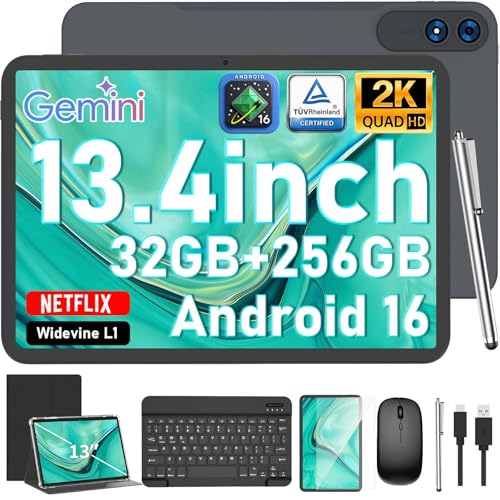
Deciding between a standalone tablet and one that connects to your computer is the first major choice. Standalone tablets, like the PicassoTab 10″ Standalone Drawing Tablet, let you draw anywhere without needing a laptop, making them perfect for sketching on the go or animating in a coffee shop. They run apps directly on the device, offering a self-contained creative environment.
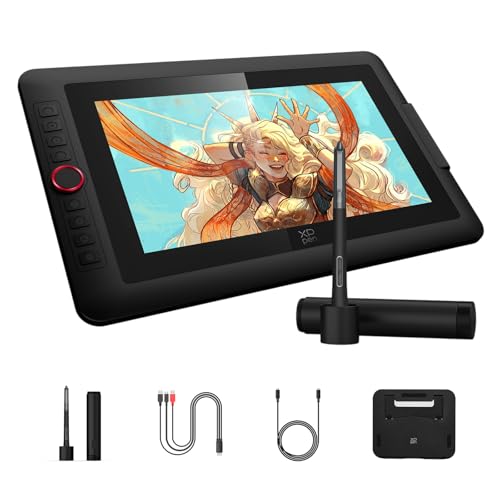
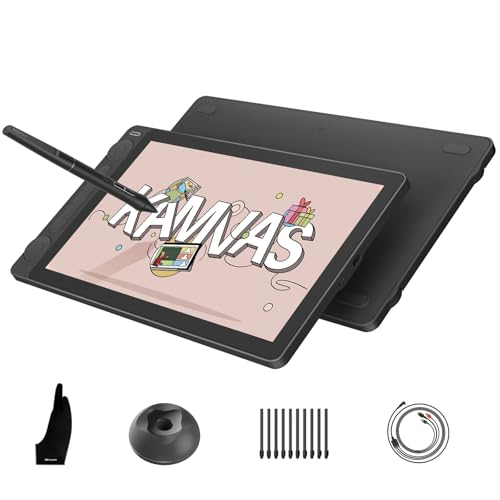
Connected pen displays, such as the HUION Kamvas 13 (Gen 3), require a computer but often provide more processing power and access to full desktop software like Adobe Animate or Toon Boom Harmony. Your computer handles the heavy lifting, which can be beneficial for complex animations. Consider where you’ll do most of your work and whether you need the freedom of a standalone unit.
Pressure Sensitivity and Pen Performance
For animation, precise pen input is non-negotiable. Higher pressure sensitivity levels, such as 4096 or 16384, allow for finer control over line weight and opacity, which is crucial for creating expressive keyframes and smooth in-betweens. Look for a pen that feels natural in your hand, with low initial activation force and tilt support.
Battery-free pens, like those from HUION and XP-Pen, eliminate the need for charging, so you can work uninterrupted. The pen should also have minimal parallax, meaning the cursor stays close to the pen tip, ensuring your strokes land exactly where you intend. This accuracy is vital for detailed animation work.
Display Quality: Color Accuracy and Clarity
A high-quality display can make or break your animation workflow. Look for a tablet with a laminated screen to reduce glare and parallax, bringing the pen tip closer to the image for a more natural feel. Color accuracy is equally important, so aim for a model with wide color gamut coverage, like 100% sRGB or higher, to ensure your colors translate correctly across devices.
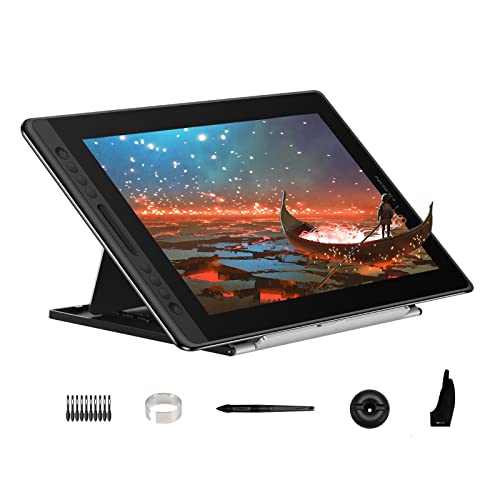
For animation, you’ll also want a screen with good contrast and brightness to see your work clearly in various lighting conditions. Some tablets offer adjustable stands to help you find a comfortable viewing angle, reducing neck and eye strain during long sessions. A crisp, clear display helps you spot mistakes and fine-tune your animations with confidence.
Software and Compatibility
Check which animation software the tablet supports. Most pen displays work with industry standards like Adobe Animate, Toon Boom Harmony, and Clip Studio Paint, but it’s wise to verify compatibility with your preferred tools. Standalone tablets often come with pre-loaded apps or access to app stores, giving you a range of options.
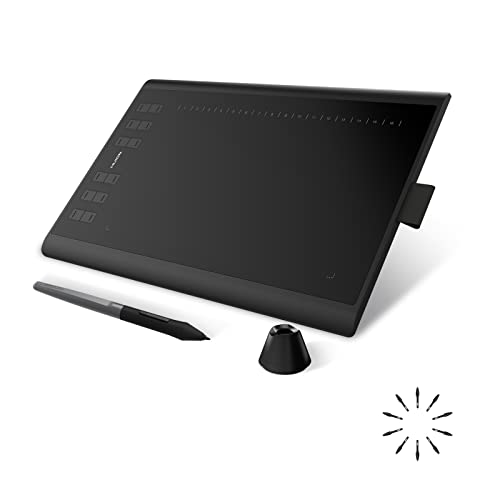
Also, consider the operating system. Some tablets work with Windows, macOS, Android, and even Linux, but others have limitations. For example, the HUION Inspiroy H1060P supports Android via OTG but not iPhones. Ensure the tablet you choose works with your existing devices and software to avoid frustration.
Final Thoughts
Choosing the right animation tablet comes down to your personal workflow and where you want to create. If you value portability and the freedom to draw anywhere, the PicassoTab 10″ Standalone Drawing Tablet is an excellent choice, offering a complete drawing solution without a computer. For those who need professional-grade precision and don’t mind being tethered to a desk, the HUION Kamvas 13 (Gen 3) Drawing Tablet delivers outstanding pen performance and color accuracy for detailed animation work. Both options cater to different needs, so consider your priorities and start creating with confidence.
Frequently Asked Questions
What is the best tablet for animation for beginners?
For beginners, a standalone tablet like the PicassoTab 10″ is often ideal because it’s self-contained and comes with pre-loaded tutorials and apps. It lets you start animating immediately without needing a computer, and the included lifetime VIP lessons help you learn the basics. The 4096-level pressure pen provides good control for practice.
Do I need a standalone tablet or a pen display for animation?
It depends on your workflow. A standalone tablet offers portability and convenience, letting you draw anywhere without a computer, which is great for sketching and simple animations. A pen display, like the HUION Kamvas 13 (Gen 3), connects to your computer and provides a larger, more precise drawing surface, which is beneficial for complex animations and professional work. Consider where you’ll be doing most of your animation.
What software works with tablets for animation?
Most pen displays are compatible with major animation software like Adobe Animate, Toon Boom Harmony, and Clip Studio Paint. Standalone tablets often run Android apps like FlipaClip or Krita, which are great for animation on the go. Check the tablet’s specifications to ensure it supports the software you intend to use.
How many pressure levels do I need for animation?
For animation, you’ll want at least 4096 levels of pressure sensitivity, which most modern tablets offer. Higher levels, like 8192 or 16384, provide even finer control over line weight and opacity, which can be helpful for detailed work. However, the skill of the artist matters more than the spec number, so don’t overthink it.