Imagine this: you’re struck by a burst of inspiration, but your sketchbook is nowhere to be found. Or maybe you’re tired of the limitations of traditional media and want to dive into the world of digital art. The right tablet can transform your creative process, whether you’re a beginner doodling for fun or a professional illustrator working on client projects. In this guide, we’ve evaluated the top tablets for digital art in 2026, covering everything from budget-friendly pen tablets to powerful standalone devices. We’ll help you navigate the options and find the perfect match for your artistic journey.
We understand that choosing the right drawing tablet can be overwhelming, with so many specs and features to consider. That’s why we’ve done the heavy lifting for you. Our team has researched and compared the most popular models, focusing on what truly matters for artists: pressure sensitivity, screen quality, portability, and overall value. Whether you’re looking for a portable companion for on-the-go sketching or a professional-grade pen display for your home studio, we’ve got you covered. Let’s dive in and find your perfect creative companion.



Buying Guide: What to Look for in a Digital Art Tablet
Before you hit that buy button, it’s essential to understand the key factors that differentiate a good drawing tablet from a great one. Here are the most critical considerations to keep in mind.
Standalone vs. Computer-Connected
One of the first decisions you’ll make is whether you want a standalone tablet or one that connects to your computer. Standalone tablets, like the 11″ Standalone Drawing Tablet, have built-in screens and processors, so you can draw anywhere without needing a laptop or desktop. They offer ultimate portability and convenience, perfect for artists on the move.
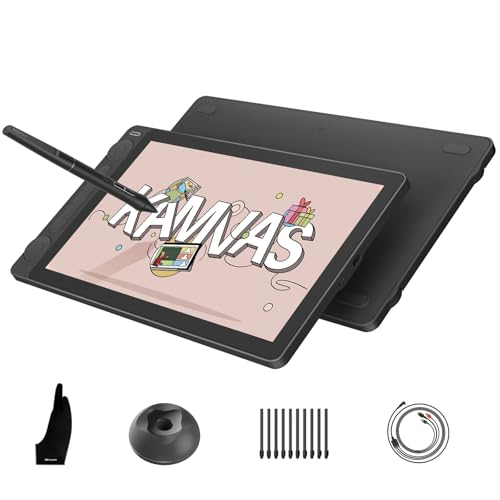
On the other hand, pen displays (like the HUION Kamvas 13 (Gen 3) Drawing Tablet) require a computer to function. They act as a second monitor, offering a larger, more precise drawing surface. If you already have a powerful computer and prefer a stationary setup, a pen display might be the way to go. For more insights on choosing between these types, check out our guide on tablets for photo editing.
Pressure Sensitivity and Tilt Support
Pressure sensitivity is the heart of a drawing tablet. It determines how your strokes vary in thickness and opacity based on how hard you press. Look for a tablet with at least 4096 levels of pressure sensitivity, but the latest models offer 8192 or even 16384 levels for incredibly nuanced control. Tilt support is another crucial feature that allows you to shade and draw at angles, mimicking the natural behavior of a pencil or brush.
For example, the XPPen Deco 01 V3 10×6 Drawing Tablet boasts an impressive 16K pressure levels and 60 degrees of tilt, providing a highly responsive and natural drawing experience. This level of precision is essential for artists who want to create detailed illustrations and smooth gradients.
Screen Quality and Size
If you’re opting for a tablet with a screen, the display quality is paramount. Consider the resolution, color accuracy (look for 99% sRGB or higher), and whether the screen is laminated to reduce parallax (the gap between the glass and the display). A laminated screen makes it feel like you’re drawing directly on the canvas, which is a game-changer for precision.
Screen size also matters. A larger screen, like the 13.3-inch display on the HUION Kamvas 13 (Gen 3) Drawing Tablet with Screen, offers more room to work and is ideal for detailed artwork. However, it also means less portability. For a balance of portability and screen real estate, check out our media consumption tablet picks for more ideas.
Portability and Build
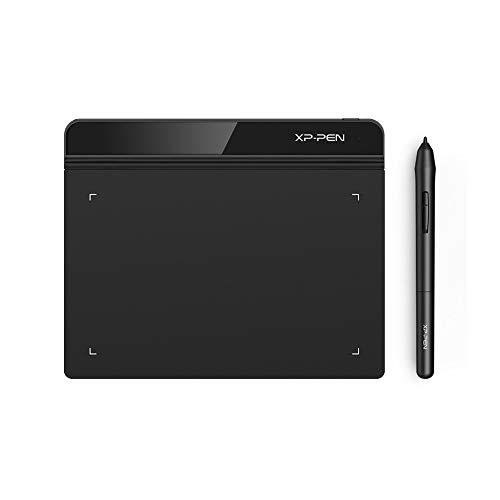
Consider where and how you’ll be using your tablet. If you travel frequently or like to sketch in coffee shops, a lightweight, compact model is essential. The Drawing Tablet XPPen StarG640 Digital Graphic is incredibly slim and portable, making it a great travel companion. On the other hand, if you have a dedicated studio space, you might prioritize a larger, more robust device with a stand. For more on finding a device that fits your lifestyle, see our entertainment tablet recommendations.
Final Thoughts
Choosing the best tablet for your digital art journey ultimately comes down to your personal workflow and budget. If you crave the freedom to create anywhere, the 11″ Standalone Drawing Tablet is a fantastic all-in-one solution. For those who want a professional-grade drawing experience at their desk, the HUION Kamvas 13 (Gen 3) Drawing Tablet offers exceptional color accuracy and precision. Whichever you choose, you’re investing in a tool that will unlock your creativity for years to come.
Frequently Asked Questions
What is the best tablet for digital art for beginners?
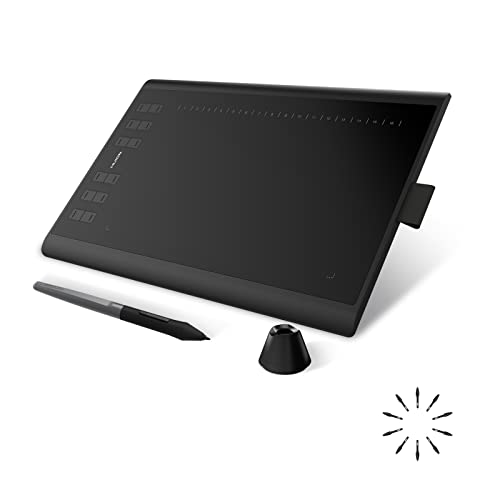
For beginners, we recommend starting with a budget-friendly pen tablet like the HUION Inspiroy H1060P Graphics Drawing Tablet or the UGEE M708 Drawing Tablet. These offer a large drawing area and high pressure sensitivity at an affordable price, allowing you to practice without a huge investment.
Can I use a drawing tablet without a computer?
Yes, you can. Standalone drawing tablets, like the 11″ Standalone Drawing Tablet, have built-in operating systems and apps, so they don’t require a computer. They are perfect for artists who want to draw on the go. For more portable options, check our tablets category.
What is the difference between a drawing tablet and a pen display?
A drawing tablet (also called a pen tablet) is a flat input device that connects to a computer. You draw on it while looking at your computer monitor. A pen display has a built-in screen that shows your artwork directly on the tablet, providing a more intuitive drawing experience. Both have their pros and cons, so it depends on your preference and budget.
Are expensive drawing tablets worth it?
Expensive drawing tablets often offer higher pressure sensitivity, better color accuracy, and more durable builds. If you are a professional artist or plan to be one, these features can significantly improve your workflow and the quality of your work. For hobbyists, a mid-range tablet might be more than sufficient.