You’re on stage, the spotlight hits, and you need to flip to the next page of your score. Fumbling with paper is a thing of the past. The right tablet can hold thousands of sheets, let you annotate in real time, and even turn pages with a foot pedal. This guide breaks down the best tablets for sheet music, focusing on what truly matters to musicians: screen size, resolution, battery life, and storage. Whether you’re a gigging pro or a weekend hobbyist, we’ve got you covered.
We’ve reviewed the top contenders, from massive 15.6-inch displays that mimic two pages side-by-side to more portable 13-inch models that won’t weigh you down. You’ll learn about key specifications and how they translate to real-world practice and performance. If you’re also curious about other music-tech tools, check out our curated list of best tablets for musicians for a broader perspective.


Buying Guide
Screen Size and Resolution
The most critical factor for sheet music is the display. A larger screen means more of the score visible at once, reducing the need for constant zooming and panning. For most musicians, a 13-inch or larger screen is ideal, as it can reasonably display a single page of standard notation without scaling down to unreadable sizes.
Resolution matters just as much as size. Look for at least a Full HD (1920 x 1080) IPS panel. Higher resolution panels, like those with 2K or 3K, offer crisper text and sharper lines, which reduces eye strain during long practice sessions. Consider how the tablet handles brightness and anti-glare, especially if you plan to play outdoors or on brightly lit stages.
Battery Life and Charging Speed
Nothing kills a rehearsal faster than a dead tablet. A battery that lasts through a full day of teaching, practicing, and performing is essential. Look for models with at least a 10,000mAh battery, which typically provides 8 to 12 hours of mixed use. Consider how you’ll charge the device, as some tablets support fast charging (30W or more) to get you back to full power during a quick break.
For extended gigs, power banks can be a lifesaver, but a built-in long-lasting battery is more convenient. If you’re often away from outlets, prioritize tablets with larger capacities. Also, check if the tablet supports USB-C Power Delivery for quicker top-ups, which is a standard now.
Storage and Memory
Digital sheet music libraries can easily consume tens of gigabytes, especially if you store high-resolution PDFs or interactive scores. A minimum of 128GB of internal storage is recommended, but 256GB is safer for extensive collections. Expandable storage via a microSD card slot is a valuable feature, allowing you to keep your entire library on a single card.
Memory (RAM) is equally important for smooth multitasking. Running a sheet music app alongside a metronome, tuner, or backing track requires more than just the basics. Look for at least 6GB of RAM, with 8GB or more being ideal for seamless switching between apps without lag.
Operating System and App Ecosystem
The operating system determines which sheet music apps you can use. Android tablets offer flexibility and often more budget-friendly options, with access to popular apps like MobileSheets, forScore, and Musicnotes. If you’re invested in Apple’s ecosystem, iPads offer a polished experience with apps like forScore, but they typically come at a higher price point.
Consider which ecosystem you prefer and which apps are essential to your workflow. Some musicians prefer the simplicity of a dedicated e-ink reader, but for color annotations and interactive features, a full-color tablet is superior. Check for compatibility with Bluetooth foot pedals for hands-free page turning, a feature that many musicians find indispensable.
Final Thoughts
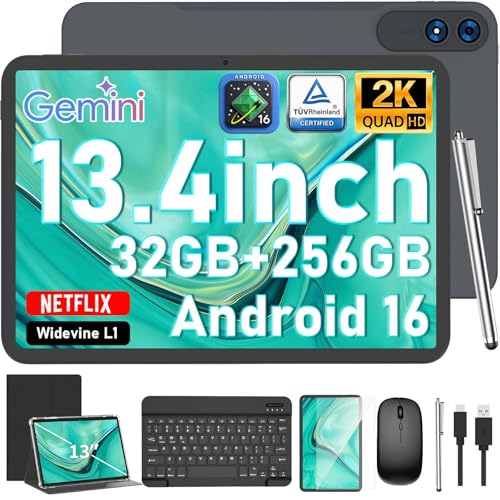
Choosing the right tablet for sheet music comes down to finding the perfect balance between screen size, battery life, and storage that fits your unique playing style. If you need a massive display for complex orchestral scores, the 15.6 Inch Android 16 Tablet from MESWAO is a standout choice, while those prioritizing portability and smooth scrolling will appreciate the TECLAST T65 13.4″ Android16 4G Tablet. Both are excellent tools that will transform how you read and interact with music.
Frequently Asked Questions
What is the best screen size for a tablet to read sheet music?
For most musicians, a 13-inch to 15-inch screen is ideal. It provides enough real estate to read a full page of standard notation without excessive zooming. Larger screens are better for complex scores or when you need to see two pages side-by-side.
Can I use a regular tablet for sheet music, or do I need a specific one?
You can use any tablet with a good screen and sufficient storage, but specific features like a 4:3 or 3:2 aspect ratio are more similar to a paper page. The best tablets for sheet music in 2026 often have high-resolution, anti-glare displays and long battery life. Look for models that support stylus input for easy annotations.
How much storage do I need for a digital sheet music library?
Sheet music files are typically small, averaging a few megabytes per page. However, a large library can quickly add up. We recommend at least 128GB of internal storage, but 256GB or expandable storage is better for serious collectors. This allows you to store thousands of scores without worrying about running out of space.
Are Android tablets good for reading music, or should I get an iPad?
Android tablets are excellent for reading music, offering a wide range of apps and hardware options at various price points. They are particularly strong if you need a large screen without a premium price tag. iPads are also great, but often cost more for similar specifications. Your choice should depend on your app preferences and budget. For more insights, you can explore our tablets category.