You’re in the middle of a writing sprint, ideas flowing, and suddenly your cursor freezes or the screen glare makes you squint. A touch screen laptop can be a game-changer, letting you interact with your work more intuitively, whether you’re highlighting text, scrolling through research, or sketching a quick diagram. This guide is for writers, editors, and content creators who need a laptop that keeps up with their craft.
We’ve evaluated the top touch screen laptops for writing, focusing on display quality, keyboard comfort, performance for word processing, and portability. Our picks range from budget-friendly Chromebooks to powerful 2-in-1 convertibles. For more specialized options, you might also want to check out our top picks for note-taking or our favorites for artists.


Buying Guide
Display Quality and Touch Responsiveness
For writing, the display is your canvas. A high-resolution screen with good color accuracy reduces eye strain during long sessions. Look for IPS panels with Full HD or higher resolution, and pay attention to touch responsiveness. A laggy touchscreen can be frustrating, so opt for models with proven touch technology.
Consider the screen size that suits your writing style. A 14-inch display offers a good balance between portability and screen real estate, while a 16-inch screen provides more room for split-screen research. If you often write on the go, a compact 11.6-inch or 12-inch model might be more practical.
Keyboard Comfort and Battery Life
You’ll be typing a lot, so a comfortable keyboard is non-negotiable. Look for well-spaced keys with good travel and tactile feedback. Backlit keyboards are a bonus for writing in low-light conditions. Battery life is equally important; nothing disrupts flow like hunting for an outlet. Aim for a laptop that can last a full workday on a single charge.
Different laptops offer varying battery performances. Some ultra-portables can stretch to 14 hours or more, while others might only manage half that. Think about your typical writing environment. If you’re always at a desk, battery life might be less critical than if you’re a digital nomad.
Performance and Storage for Writing Tasks
While writing doesn’t require a high-end graphics card, you need a processor that can handle multiple tabs, word processors, and perhaps a research tool simultaneously. A minimum of 8GB of RAM is recommended for smooth multitasking. Storage is another consideration; solid-state drives (SSDs) offer faster boot times and quicker file access than traditional hard drives.
For most writers, 256GB of storage is a comfortable starting point, but if you store lots of images or videos, consider a model with more capacity or expandable storage. Cloud storage can also help, but having local space for your work-in-progress files is always a good idea.
Portability and Build Quality
If you’re a writer on the move, portability matters. A lightweight laptop that’s easy to slip into a bag is essential. Build quality also plays a role; a sturdy hinge and durable materials ensure your laptop survives the rigors of travel. Convertible 2-in-1 designs offer extra flexibility, allowing you to use your laptop in tent or tablet mode for presentations or reading.
Check the laptop’s weight and dimensions before you buy. Some models are marketed as ultra-thin and light, but you should always verify the actual measurements. A good rule of thumb is to look for something under 4 pounds for frequent travel.
Final Thoughts
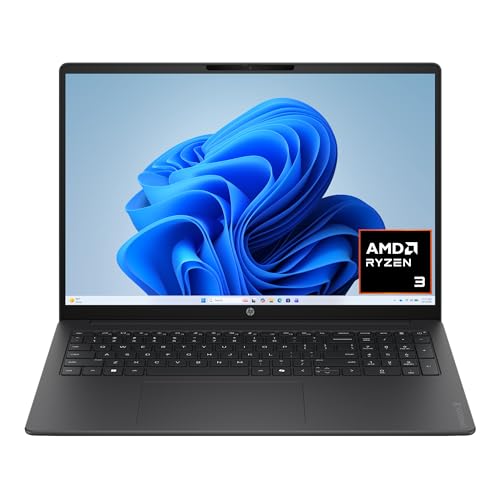
Ultimately, the best touch screen laptop for writing depends on your individual needs and budget. For a versatile and budget-friendly option, the HP 2026 X360 Convertible Laptop is a solid choice, while those seeking a larger display and more power might prefer the HP OmniBook 3 16 inch Laptop PC, 2K Touchscreen. Consider what matters most to you, whether it’s portability, battery life, or processing power, and you’ll find the perfect writing companion.
Frequently Asked Questions
What is the best touch screen laptop for writing on a budget?
For budget-conscious writers, the Lenovo Flagship Chromebook offers a great balance of portability and functionality. It’s excellent for cloud-based writing tools like Google Docs. If you prefer Windows, the HP 14″ HD Touchscreen Notebook is another affordable option that handles basic word processing efficiently. Both are reliable choices without breaking the bank.
Is a 2-in-1 laptop better for writing than a traditional clamshell?
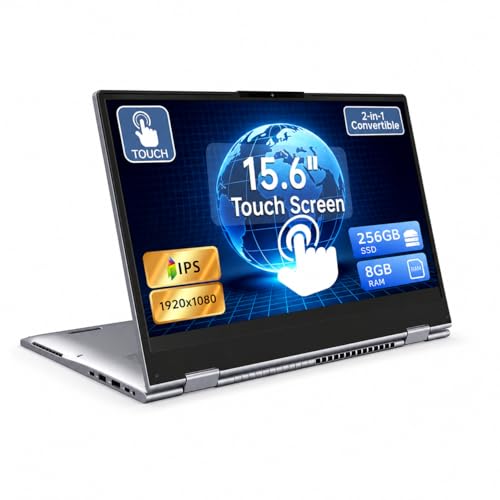
A 2-in-1 laptop, like the Exilapsire 15.6″ Yoga 2-in-1, offers more versatility. You can use it as a standard laptop for typing, then fold it into a tablet for reading or annotating. However, some writers prefer the rigid frame of a traditional clamshell for lap use. It’s a matter of personal preference and how you plan to use the device.
How much RAM do I need for writing on a laptop?
For most writing tasks, 8GB of RAM is the sweet spot in 2026. It allows you to run a word processor, a web browser with multiple tabs, and maybe a reference manager simultaneously without slowdowns. If you often work with large documents or heavy research tools, consider a model with 16GB of RAM for extra headroom.
Are touchscreens on laptops good for writing?
Yes, touchscreens can significantly enhance your writing workflow. They allow you to quickly place the cursor, select text, and scroll with a simple tap or swipe. This can be more intuitive than using a trackpad, especially when editing or reviewing your work. The key is to find a responsive display that feels natural to use.