

You have a stack of DVDs, a cable box pumping out 1080i, or an older gaming console that tops out at 720p. On a brand new 4K TV, that content can look soft, blurry, or downright disappointing. The culprit isn’t your source material; it’s how well your TV handles upscaling. A TV with poor upscaling leaves you with washed-out details and jagged edges. But a TV built for upscaling can make standard definition look near high definition, and high definition look almost like native 4K. In this guide, we focus on two Samsung Crystal UHD models that excel at this task: the Samsung 43-Inch Class Crystal UHD U8000H Series and the Samsung 75-Inch Class U8000H Series Crystal UHD. Both leverage Samsung’s advanced Crystal Processor and dedicated 4K upscaling technology to breathe new life into your existing library. Whether you are outfitting a cozy bedroom or a spacious living room, these TVs promise to deliver crisp, vibrant images from virtually any input. For more on choosing the right size for your space, check out our guide on best TVs for bedrooms.
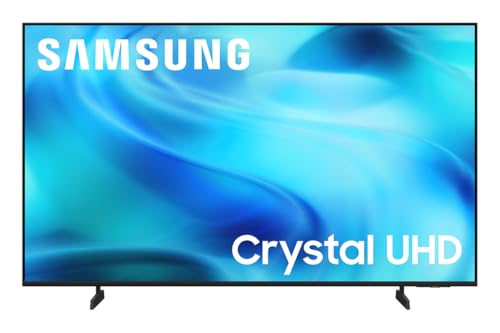


Buying Guide: What to Look for in a TV for Upscaling
Choosing a TV that excels at upscaling means understanding a few key technologies. Not all 4K TVs handle lower-resolution content equally. Here are the critical factors to evaluate.
Crystal Processor: The Brain Behind the Boost
The processor is the engine that drives upscaling. Samsung’s Crystal Processor uses advanced algorithms to analyze each frame, identify patterns, and fill in missing detail. It enhances colors, sharpens edges, and reduces noise. This means your old DVDs or streaming content won’t just look bigger; they will look better. Both the 43-inch and 75-inch U8000H models feature this same powerful processor, so you get consistent upscaling quality regardless of screen size. For a deeper dive into how processors affect picture quality in different lighting conditions, read our best TVs for direct sunlight guide.
4K Upscaling Technology: More Than Just Stretching Pixels
True 4K upscaling goes beyond simply stretching a 1080p image to fit a 4K screen. Samsung’s implementation analyzes the content and reconstructs missing detail using a database of patterns and textures. The result is a sharper, more natural image with less artifacts. This is especially noticeable on text, faces, and fine textures like grass or fabric. Whether you are watching a classic film on Blu-ray or a live sports broadcast, the upscaling engine works in real time to deliver a cleaner picture. If you often watch in bright rooms, consider how glare can affect perceived clarity; our best TVs for glare article offers additional insights.
Motion Xcelerator: Smooth Motion for Sports and Games
Upscaling is only half the story. Fast-moving content like sports or action games can suffer from judder or motion blur if the TV cannot keep up. Samsung’s Motion Xcelerator technology estimates and adjusts frame transitions in real time, delivering smooth motion up to 4K at 60Hz. This means a 30fps broadcast or a 60fps game will appear fluid, with minimal blur. For smaller spaces where motion clarity matters, the 43-inch model is an excellent fit. For larger home theaters, the 75-inch model ensures everyone gets a clear view. If you are looking for a compact option, our best TVs for apartments guide can help you decide.
Color Booster: Vibrant Hues from Any Source
Upscaling often struggles with color accuracy. Lower-resolution content can appear washed out or overly saturated. Samsung’s Color Booster technology supercharges the color palette, bringing out rich reds, deep blues, and every shade in between. This works hand in hand with the Crystal Processor to ensure that upscaled content maintains a natural yet vibrant appearance. Whether you are watching a nature documentary or an animated movie, the colors pop without looking artificial. For a comprehensive look at all the TV categories we cover, visit our TVs page.
Final Thoughts
Both Samsung Crystal UHD models deliver exceptional upscaling performance, making them ideal choices for anyone who watches a mix of old and new content. The Samsung 43-Inch Class Crystal UHD U8000H Series is perfect for bedrooms, apartments, or secondary rooms where space is limited but picture quality still matters. Its compact size does not compromise the powerful Crystal Processor and 4K upscaling. On the other hand, the Samsung 75-Inch Class U8000H Series Crystal UHD is a home theater powerhouse, offering the same upscaling prowess on a grand scale. Whether you are hosting movie nights or watching the big game, this larger model ensures every seat in the house gets a crisp, vibrant view. Whichever you choose, you can trust Samsung’s upscaling technology to make your existing content look better than ever.
Frequently Asked Questions
What is 4K upscaling and why does it matter?
4K upscaling is the process of converting lower-resolution content (like 1080p or 720p) to fit a 4K display while improving perceived detail. It matters because most of the content you watch today is not native 4K, so a good upscaling engine is essential for a sharp, clear picture. Samsung’s Crystal Processor uses advanced algorithms to fill in missing detail, making your existing library look much better.
How does Samsung’s Crystal Processor improve upscaling?
The Crystal Processor analyzes each frame in real time, enhancing colors, sharpening edges, and reducing noise. It uses a database of patterns to reconstruct missing detail, resulting in a natural-looking image. This processor is found in both the 43-inch and 75-inch U8000H models, ensuring consistent performance across sizes.
Is upscaling good for gaming on these Samsung TVs?
Yes, these TVs are well-suited for gaming thanks to the Motion Xcelerator feature, which delivers smooth motion up to 4K at 60Hz. Even if your console outputs at 1080p or 1440p, the upscaling engine will sharpen the image while maintaining low input lag. This makes older consoles like the PS4 or Xbox One look crisp on a 4K screen.
Can upscaling improve old movies and TV shows?
Absolutely. Samsung’s 4K upscaling is particularly effective on film-based content, where it can reduce grain and enhance fine details without introducing artifacts. Classic movies on DVD or streaming services will appear noticeably sharper and more vibrant. For more on optimizing your TV setup for different content types, see our blog.


