

You have a powerful gaming PC and want to step into virtual reality. The problem is choosing the right headset among dozens of options. Whether you crave ultra-sharp visuals for flight simulators, a wireless all-in-one experience, or a budget-friendly entry point, this guide covers the best VR headsets for PC in 2026. We evaluated each model on display quality, tracking accuracy, comfort, and overall value. For a broader look at PC VR gaming, check out our guide to the best VR headsets for PC gaming.






Buying Guide: What to Look for in a PC VR Headset
Resolution and Display Quality
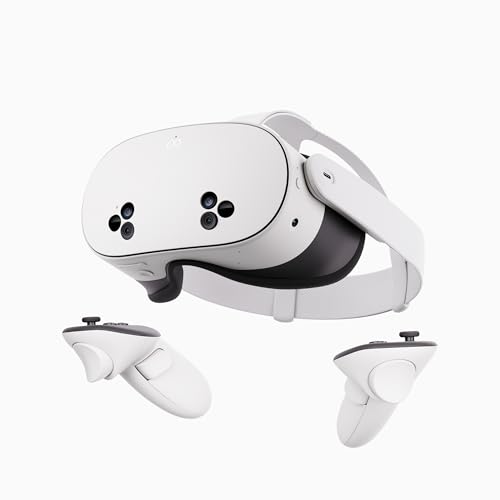
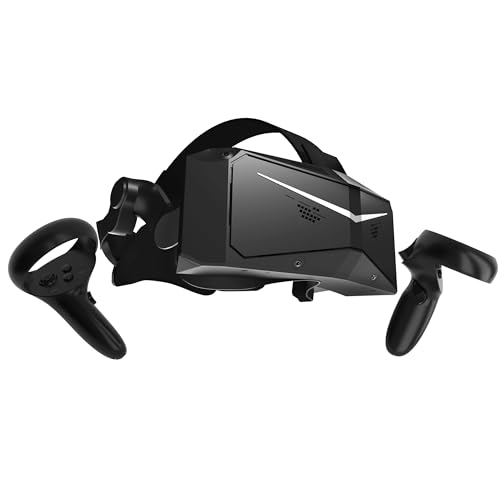
The display is your window into virtual worlds. Higher resolution reduces the screen-door effect and makes text readable in simulators. Look for at least 2880×2880 per eye for sharp visuals. The Pimax Crystal Super offers an astonishing 3840×3840 per eye with 50 PPD, while the Meta Quest 3 delivers a 4K+ Infinite Display. For sim racing enthusiasts, our best VR headsets for sim racing guide highlights models that excel in fast-moving scenes.
Tracking and Controllers
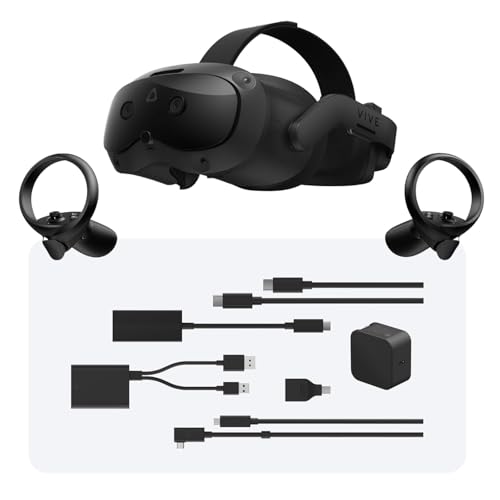
Inside-out tracking eliminates external sensors, making setup quick and hassle-free. The Meta Quest 3S and Quest 2 use dual RGB cameras for accurate room-scale tracking. For precise hand movements, the HTC Vive Focus Vision adds eye and hand tracking, while the DPVR E4 provides responsive 6DoF tracking. If you play on SteamVR, see our top VR headsets for steam for compatible options.
Comfort and Ergonomics
Long sessions demand a headset that doesn’t fatigue you. The Pimax Crystal Light weighs around 815 grams with balanced distribution, while the DPVR E4 is only 285 grams for marathon gaming. Adjustable IPD and head straps are essential. The TECKNET VR headset even supports myopic users up to 600 degrees. For glasses wearers, we compiled comfortable picks here.
Ecosystem and Compatibility
Consider which platforms you use. Meta headsets integrate with the Oculus store and SteamVR via Link. HTC Vive Focus Vision supports both standalone and PC VR with DisplayPort mode. The DPVR E4 is built specifically for SteamVR with over 7,000 titles. Ensure your PC meets the requirements; most need a GTX 1060 or better.
Final Thoughts
Choosing the best VR headset for PC comes down to your priorities. If you demand the highest visual fidelity for simulators and racing, the Pimax Crystal Super VR Headset, 3840×3840 per Eye delivers unmatched sharpness and a 140° field of view. For a versatile, wireless experience with a massive game library, the Meta Quest 3 512GB is an excellent all-rounder that works both standalone and tethered. Both headsets represent the pinnacle of PC VR in 2026.
Frequently Asked Questions
Do I need a powerful PC for VR?
Yes, most PC VR headsets require a dedicated graphics card like an NVIDIA GTX 1060 or better. The DPVR E4 and Oculus Rift S have lower requirements, while the Pimax Crystal Super demands a high-end GPU for its full resolution. Always check the manufacturer’s specs before buying.
Can I use a VR headset without a PC?
Some headsets like the Meta Quest 3 and Quest 3S can run standalone without a PC, but they also support PC connection via Link cable or wireless streaming. Others like the Pimax Crystal Light and DPVR E4 are PC-only. For standalone options, see our best VR headsets that Don’t need a PC.
What is the best VR headset for PC gaming in 2026?
The answer depends on your budget and use case. For high-end sim racing and flight sims, the Pimax Crystal Super is unmatched. For a balanced mix of standalone and PC VR, the Meta Quest 3 is the most versatile. The DPVR E4 offers excellent value at a lower price point.
How do I connect a VR headset to my PC?
Most PC VR headsets use a DisplayPort and USB connection. Some like the Meta Quest 3 can connect wirelessly via Wi-Fi or with a USB-C Link cable. The HTC Vive Focus Vision offers both standalone mode and DisplayPort PC VR streaming for lossless visuals.

