

🔥 TV Black Friday Deals 2026: picks worth watching →
You have decided it is time to upgrade your audio experience, but you are stuck between two iconic names: Bose and Sonos. Whether you want a portable speaker for the beach or a multi-room system for your living room, this guide breaks down the key differences. We have evaluated the top models from both brands to help you choose the perfect one for your needs in 2026. For more insights on home audio, check out our Bose vs JBL comparison.




Buying Guide
Sound Quality and Room Tuning
When comparing Bose vs Sonos, sound quality is the first thing you will notice. Sonos uses advanced Trueplay tuning to adapt the sound to your room’s acoustics, ensuring balanced audio wherever you place the speaker. Bose, on the other hand, delivers a signature clear, spacious sound with deep bass, especially in portable models like the SoundLink Flex. If you prioritize a tailored home audio experience, Sonos might be your pick; for consistent, powerful sound on the go, Bose excels.
For a deeper dive into home theater setups, read our guide on the best Dolby Atmos soundbars.
Portability and Durability
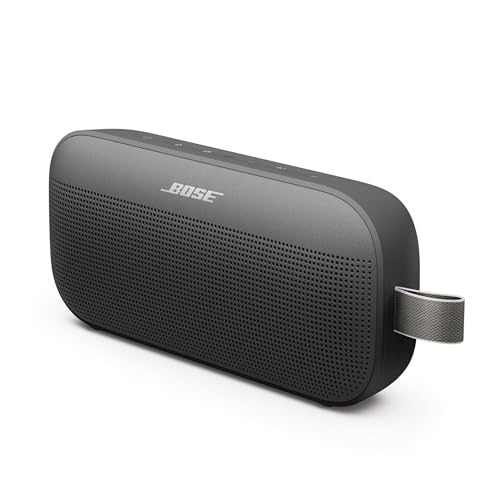
If you need a speaker that can handle the outdoors, Bose is the clear winner. The SoundLink Flex is IP67 rated, meaning it is waterproof and dustproof, and it even floats. Its PositionIQ technology adjusts sound based on orientation, so it sounds great whether standing up or lying down. Sonos speakers are designed for indoor use and are not built for rugged environments. If you want to take your music to the beach, pool, or hiking trail, choose Bose.
Multi-Room and Smart Features
Sonos is the king of multi-room audio. With the Sonos app, you can stream different songs in different rooms or sync them all together. The Era 100 models also feature built-in Alexa for voice control, and they support Bluetooth and line-in connections. Bose offers SimpleSync technology to pair a portable speaker with a compatible soundbar, but it does not have the same whole-home ecosystem. If you want a smart, connected system, Sonos is your best bet.
Ease of Use and Setup
Both brands are known for easy setup, but they differ in approach. Sonos requires a WiFi connection and the Sonos app for initial setup, but once configured, it is seamless. Bose portable speakers are simpler: just pair via Bluetooth and you are ready to go. For those who want a quick, no-fuss experience, Bose wins. For a more integrated smart home experience, Sonos is worth the extra steps.
For more on easy-to-use audio, see our picks for best soundbars for seniors.
Final Thoughts
Choosing between Bose and Sonos comes down to your lifestyle. If you need a rugged, portable speaker for outdoor adventures, the Bose SoundLink Flex Bluetooth Speaker (2nd Gen) is an excellent choice with its waterproof design and rich sound. For a smart, multi-room audio system that fills your home with music, the Sonos Era 100 – Black offers unmatched flexibility and voice control. Both are top-tier, so pick the one that fits your daily routine.
Frequently Asked Questions
Can I use Bose and Sonos speakers together?
Yes, but not natively. You would need a third-party device like a Bluetooth receiver or an audio switch to connect them. For a seamless experience, stick with one brand.
Which brand has better bass: Bose or Sonos?
Both deliver impressive bass, but they do it differently. Bose portable speakers like the SoundLink Flex offer deep, punchy bass in a compact package. Sonos Era 100 models have a larger midwoofer for richer low-end, especially in a home setting. For more on sound quality, check out our soundbar black friday deals guide.
Is Sonos worth the higher price?
Sonos speakers are generally more expensive, but you pay for a robust multi-room ecosystem, voice control, and room-tuning technology. If you want a simple, portable speaker, Bose offers better value for your money.
Which brand is better for outdoor use in 2026?
Bose is the clear choice for outdoor use. Models like the SoundLink Flex are waterproof, dustproof, and built to withstand drops. Sonos speakers are designed for indoor use and are not weather-resistant.


