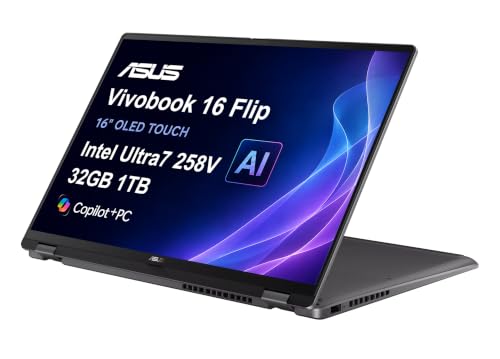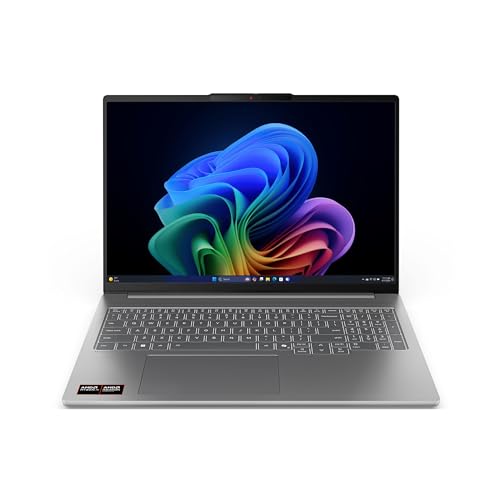
You are comparing Dell and ASUS laptops, trying to decide which brand offers the best value for your needs. Both manufacturers have strong lineups, from budget-friendly models to high-performance machines. This guide breaks down the key differences, highlights top picks, and helps you make an informed choice. Whether you need a laptop for work, gaming, or everyday tasks, we have you covered. For a broader perspective on laptop brands, check out our comparison of ASUS versus HP laptops.


Buying Guide
Performance and Processor
When choosing between Dell and ASUS, consider the processor. Dell laptops often feature Intel Core i5 or i7 chips, while ASUS offers a range including Intel N-series and AMD Ryzen options. For everyday tasks, an Intel Core i5 or AMD Ryzen 5 is sufficient. For gaming or creative work, look for higher-end processors like the Intel Core i7 or AMD Ryzen 9. The ASUS ROG Strix G16, for example, packs an Intel Core i7-14650HX for demanding games. For more on high-performance laptops, see our Lenovo versus ASUS laptop comparison.
Display Quality
Display quality varies widely between models. ASUS offers OLED screens on many of its Zenbook and Vivobook lines, providing deep blacks and vibrant colors. Dell focuses on IPS panels with good color accuracy and brightness. For creative professionals, an OLED display is a major advantage. The ASUS Zenbook-14 OLED Touchscreen Laptop features a 2K OLED panel with 500 nits brightness, ideal for photo editing. If you need a touchscreen, Dell offers options like the Dell 15.6″ FHD Touchscreen Laptop.
Portability and Build
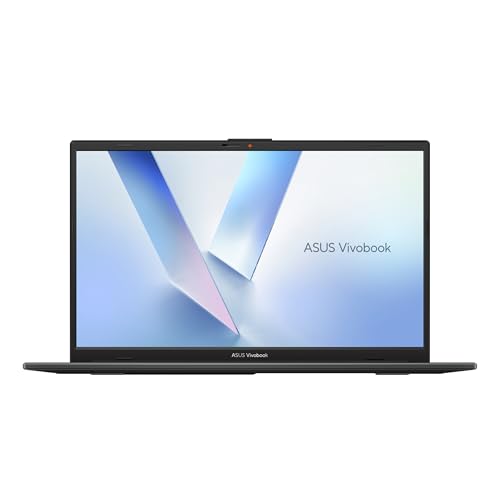
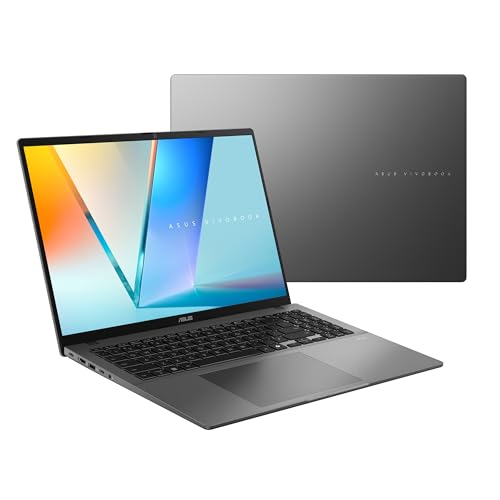
Portability matters if you travel frequently. ASUS laptops tend to be lighter, with the Zenbook-14 weighing only 2.82 pounds. Dell’s 15-inch models are slightly heavier but still portable. Build quality is solid on both brands, with aluminum chassis on higher-end models. Consider the ASUS Vivobook S16 for a lightweight yet powerful option. For a budget-friendly portable choice, the ASUS Vivobook Go 15 is a good pick. If you need a protective case, the MOSISO Laptop Case 14 inch is a great accessory.
Battery Life
Battery life is crucial for students and professionals. ASUS models like the Vivobook S16 boast up to 23 hours of usage, while Dell’s laptops typically offer 8 to 12 hours. The ASUS Zenbook-14 also provides excellent battery life with a 75Wh battery. For all-day use, ASUS has an edge. However, Dell’s efficient processors still deliver solid performance for a full workday. For more on battery performance, read our lenovo IdeaPad slim 3 review.
Final Thoughts
In the battle between Dell and ASUS, your choice depends on your priorities. If you value a stunning OLED display and long battery life for creative work, the ASUS Zenbook-14 OLED Touchscreen Laptop is an excellent pick. For gamers seeking raw power and high refresh rates, the ASUS ROG Strix G16 (2025) Gaming Laptop delivers exceptional performance. Both brands offer reliable machines, so consider your specific needs before making a decision.
Frequently Asked Questions
Which is better for gaming, Dell or ASUS?
ASUS generally has a stronger gaming lineup with its ROG series, offering high-refresh-rate displays and powerful GPUs. Dell’s Alienware line is also excellent, but ASUS often provides better value for the price. For 2026, the ASUS ROG Strix G16 is a top contender.
Are ASUS laptops more reliable than Dell?
Both brands have good reliability records. ASUS is known for innovative designs and long battery life, while Dell offers robust build quality and excellent customer support. It often comes down to the specific model. For a detailed comparison, see our Surface Pro alternatives guide.
Which brand offers better value for money?
ASUS tends to offer more features at lower price points, especially in the budget and mid-range segments. Dell’s value is strong in business laptops, where durability and support matter. For 2026, the ASUS Vivobook Go 15 is a great budget option, while the Dell 15.6 Laptop with Intel Core Ultra 5 offers solid performance for the price.
Do Dell laptops have better displays than ASUS?
ASUS leads in display technology with its OLED screens, offering superior contrast and color accuracy. Dell’s IPS panels are good but cannot match OLED vibrancy. For creative work, ASUS is the better choice. For more on display quality, check our QAZIPO 2-in-1 laptop review.