You are standing in the tool aisle, staring at a wall of bright yellow, red, teal, and green tools. Each brand promises power, durability, and value. DEWALT vs Milwaukee vs Makita vs Ryobi, the debate is as old as cordless tools themselves. Whether you are a professional contractor or a weekend DIY warrior, choosing the right platform is a long-term commitment. Batteries, chargers, and tools all lock into one ecosystem. This guide cuts through the marketing noise to help you decide which brand fits your work style and budget in 2026. We have evaluated four top contenders from Makita and DEWALT to give you a clear picture. For more insights on specific tools, check out our guide to the best DEWALT cordless drills for home use.


Pros
- Brushless motor extends run time and tool life
- Combo includes two essential tools for drilling and fastening
- High torque in a compact, lightweight package
- Variable speed controls provide precision for different tasks
Cons
- Kit does not include a charger (requires separate purchase or use existing Makita charger)
- No storage case included, tools may require a separate bag or box
- Battery capacity of 5.0Ah may be insufficient for prolonged heavy use without spare packs
The Makita XT269T 18V LXT Brushless Cordless 2-Piece Combo Kit is a focused set designed for professionals and advanced DIYers who need reliable drilling and fastening power without cord constraints. It pairs a hammer driver-drill with an impact driver, both powered by Makita’s efficient brushless motors, making it a practical solution for job sites and workshops.
Standout features include the motor’s electronic control system, which optimizes torque and RPM to suit different applications, delivering up to 50% longer run time per charge compared to brushed models. The hammer drill offers 530 in.lbs of torque and a two-speed gearbox (0-500 RPM for high torque, 0-2,000 RPM for speed), ideal for concrete anchors and general drilling. The impact driver provides 1,500 in.lbs of fastening torque and 3,600 impacts per minute, handling large screws and lag bolts with ease.
Both tools are lightweight: the hammer drill weighs 4.2 lbs and the impact driver 3.3 lbs with the included 5.0Ah battery. This reduces fatigue during extended overhead or repetitive work. The brushless motor also eliminates carbon brushes, resulting in cooler operation and longer tool life. The compact design fits easily into tight spaces, and the variable speed triggers give the user precise control.
One drawback is that the kit does not include a charger or storage case. Buyers who already own a Makita 18V LXT charger will appreciate the savings, but new users need to purchase a charger separately. Additionally, the 5.0Ah batteries are standard capacity; for heavy all-day use, investing in higher-capacity 6.0Ah or dual-pack batteries may be beneficial.
Overall, the Makita XT269T combo kit delivers excellent performance and durability for its price point. The brushless motors, high torque, and lightweight build make it a strong choice for contractors, remodelers, and serious hobbyists. If you are already in the Makita ecosystem or looking to start a professional-grade cordless toolkit, this set offers reliable, long-lasting power.


Buying Guide
Battery Platform and Ecosystem
The battery is the heart of any cordless tool system. Makita uses its 18V LXT platform, which is one of the most extensive in the industry, with over 275 tools. DEWALT counters with its 20V MAX system, offering a broad lineup from drills to saws. Milwaukee uses M18 and M12 systems, while Ryobi relies on its ONE+ platform. When you buy into a brand, you are investing in a battery family that should last for years. Makita and DEWALT both offer high-capacity batteries that deliver extended run times, as seen in the Makita XT269T 18V LXT Lithium-Ion Brushless kit which includes 5.0Ah batteries.
Motor Technology and Performance
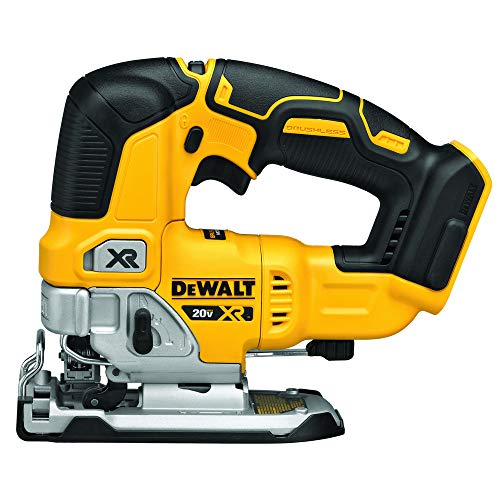
Brushless motors are now standard in premium tools. They offer more torque, longer run time, and greater durability than brushed motors. Makita’s BL Brushless motor, used in the XT269T kit, is electronically controlled to optimize energy use, delivering up to 50% longer run time per charge. DEWALT’s brushless motor in the DCS334B jig saw provides efficient performance for longer runtime compared to older models. Milwaukee’s Power State brushless motors are known for their compact size and high power output. Ryobi has also adopted brushless technology in its higher-end tools, but entry-level models still use brushed motors.
Build Quality and Ergonomics
Professional users demand tools that can withstand drops, dust, and daily abuse. Makita tools are known for their robust construction and rubberized soft grips that reduce fatigue. The Makita CT225SYX 18V LXT Compact Kit features ergonomically designed handles for comfort during extended use. DEWALT tools often feature a rugged overmold and metal gear cases. Milwaukee tools are built with durability in mind, often featuring metal belt clips and reinforced housings. Ryobi tools are generally lighter and more budget-friendly, but may not survive the same level of punishment as pro-grade brands.
Versatility and Tool Range
Consider the range of tools available on each platform. Makita offers everything from impact drivers to multi-tools, like the Makita XMT03Z 18V LXT Cordless Multi-Tool, which features a variable speed dial and a compact grip for tight spaces. DEWALT has a similarly wide selection, including specialty tools like jig saws and planers. Milwaukee excels in trades-focused tools like plumbing and electrical. Ryobi covers the basics well but may lack specialized options. Think about future projects: if you plan to add a circular saw or reciprocating saw, ensure the brand you choose offers it. For more on saws, read our review of the best circular saw for home use.
Final Thoughts
After evaluating these four brands, the choice comes down to your priorities. For the professional or serious DIYer who demands maximum performance and battery life, the Makita XT269T 18V LXT Lithium-Ion Brushless kit offers a powerful hammer drill and impact driver with excellent runtime. If you need a versatile, compact solution for lighter tasks or entry-level work, the Makita CT225SYX 18V LXT Compact Kit provides a reliable drill and impact driver at a more accessible price point, perfect for getting started without sacrificing quality.
Frequently Asked Questions
Which brand is best for professional contractors in 2026?
Makita and Milwaukee are often favored by professionals for their durability and wide selection of high-performance tools. DEWALT also has a strong following among contractors due to its rugged build and extensive lineup. For heavy-duty use, consider the Makita XT269T kit for its brushless motor and long battery life.
Can I mix batteries between DEWALT, Milwaukee, Makita, and Ryobi?
No, each brand uses a proprietary battery platform. DEWALT 20V MAX batteries only work with DEWALT tools, and the same applies to Makita 18V LXT, Milwaukee M18, and Ryobi ONE+ batteries. Stick with one ecosystem to avoid compatibility issues.
Is Ryobi as good as Makita or DEWALT?
Ryobi tools are generally more affordable and suitable for light to medium DIY tasks. Makita and DEWALT offer superior performance, build quality, and battery technology, making them better for professional or heavy-duty use. For most homeowners, Ryobi can be a good value, but for demanding projects, a pro-grade brand is recommended.
How long do Makita and DEWALT batteries last?
Battery life depends on usage and capacity. Makita’s 5.0Ah batteries, like those in the XT269T kit, can power a drill for several hours of intermittent use. DEWALT’s XR batteries also offer extended runtime. Regular charging and proper storage can prolong battery lifespan. For more on power tools, see our guide to the best impact wrench for automotive use.