A first aid kit for backpacking should be compact, lightweight, and customized to your specific trip and health needs. Unlike a home kit, it must balance essential supplies with minimal weight, since every ounce counts on the trail. The right kit covers common backpacking injuries like blisters, cuts, and sprains, while also accounting for personal medications and trip-specific risks such as altitude or water exposure.
Why a Standard Home First Aid Kit Won’t Work for Backpacking
Home first aid kits are bulky and contain items you rarely need on a trail, like large gauze rolls or multiple pairs of scissors. They also lack the lightweight, travel-size versions of essentials. A first aid kit for backpacking must prioritize portability and durability, with containers that resist moisture and crushing inside a pack.
Additionally, home kits often include expired medications or generic supplies that don’t fit backpacking injuries. For example, they rarely include blister-specific treatments or electrolyte packets, which are critical for multiday trips. Building or buying a dedicated kit ensures you have exactly what you need.
Essential Components of a Backpacking First Aid Kit
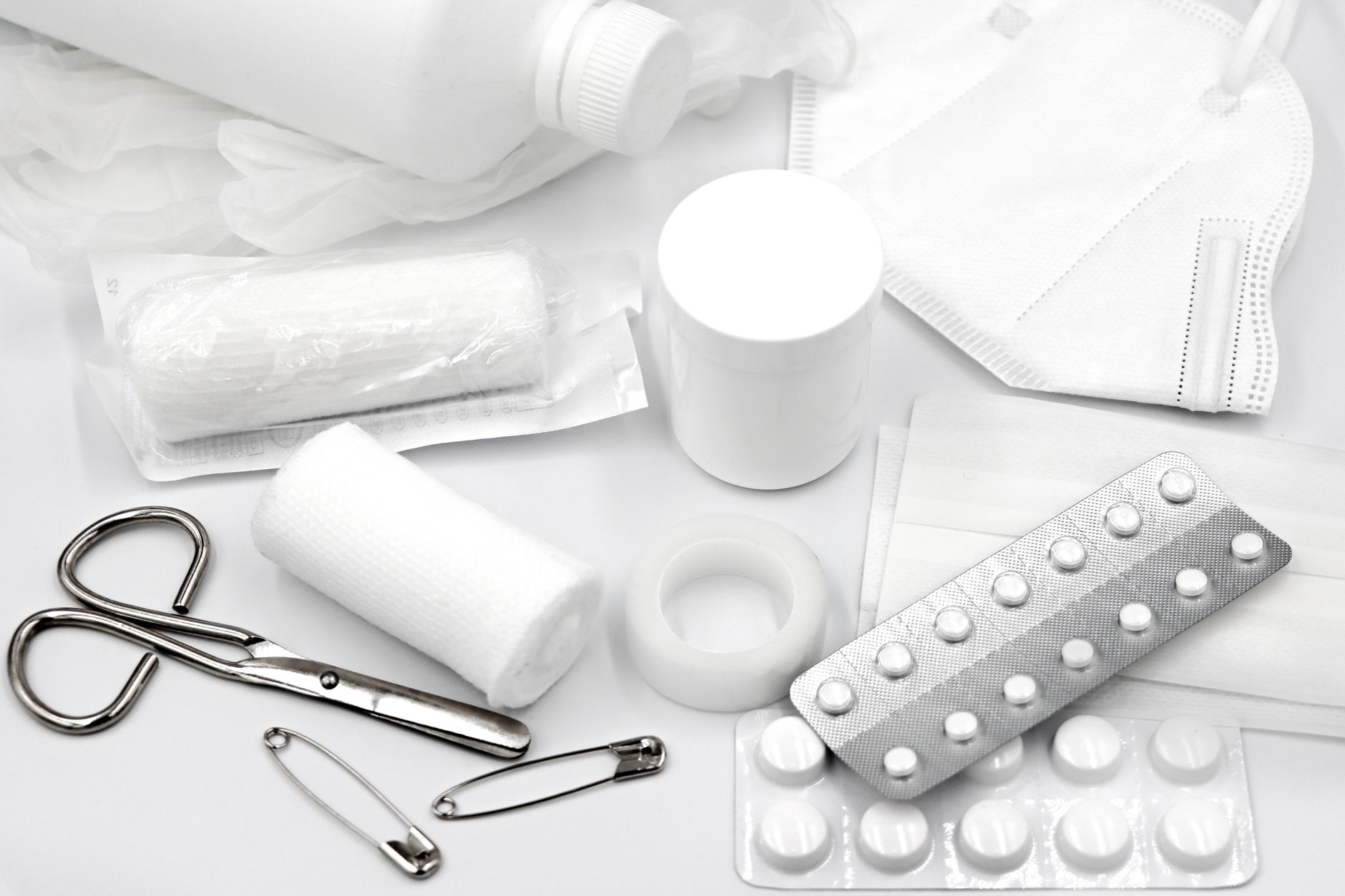
Every first aid kit for backpacking should include wound care supplies: adhesive bandages in various sizes, sterile gauze pads, medical tape, and antiseptic wipes or small bottle of antiseptic. Blister prevention and treatment is also crucial, so pack moleskin or blister pads and a small roll of athletic tape.
Medications are another must: pain relievers like ibuprofen or acetaminophen, antihistamines for allergies, anti-diarrheal pills, and any personal prescription meds. Include a small tube of antibiotic ointment and hydrocortisone cream for rashes or bug bites. Tools like tweezers, a small pair of scissors, and a safety pin can help remove splinters or cut tape.
Weight and Packing Strategy for Your First Aid Kit
Weight is a primary concern for any backpacker. A good first aid kit for backpacking should weigh between 4 and 8 ounces, depending on trip length. Choose lightweight containers: a small, dry bag or a repurposed hard plastic case works well. Avoid glass bottles and heavy metal containers.
Pack items in clear, resealable bags to waterproof them and make contents visible. Label each bag by category (wound care, meds, tools) so you can find items quickly in an emergency. Store the kit in an easily accessible pocket of your pack, not buried at the bottom.
How to Customize Your Kit for the Trip and Terrain
Your first aid kit for backpacking should change based on where you’re going. For high-altitude hikes, include acetazolamide for altitude sickness prevention and extra hydration tablets. In desert environments, add electrolyte powder and sunburn relief. For wet or coastal trips, include waterproof bandages and antifungal cream.
Consider the group size and duration. A solo weekend trip needs fewer supplies than a weeklong group expedition. If you’re with children, include child-friendly doses of medications and colorful bandages. Always check for any known allergies in the group before packing.
Organizing and Waterproofing Your First Aid Kit
Organization is key to a functional first aid kit for backpacking. Use a small pouch with compartments or a clear zip bag for each supply type. A simple method is to use a single, large dry bag with smaller inner bags. Write an inventory list inside the lid or on a card to restock easily.
Waterproofing protects your supplies from rain, stream crossings, and condensation. Double-bag sensitive items like medications in zip-top bags and store them in a dry bag. Silica gel packets can absorb any moisture that gets inside. Regularly check the kit for dampness after each trip.
When to Restock and Refresh Your Kit
A backpacking first aid kit is not a set-it-and-forget-it item. Check it before each trip in 2026 to replace used items, expired medications, and damaged packaging. Restock any supplies you used on the previous hike immediately so you don’t forget. Also, seasonally update your kit based on the types of trips you take.
Keep a small notebook or digital note with the kit’s contents and expiration dates. This makes it easy to see what’s running low. If you loan your kit to a friend, ask them to return it with a list of what they used.
How to Build or Choose a First Aid Kit for Backpacking
- Start with a lightweight, waterproof container.
- Include wound care: bandages, gauze, tape, antiseptic wipes.
- Add medications: pain relievers, antihistamines, personal prescriptions.
- Pack tools: tweezers, scissors, safety pin.
- Customize for terrain and trip length.
- Organize with clear bags and an inventory list.
- Restock after every use and check expiration dates.
No internal link is relevant here, but if you want to explore broader health and travel preparedness, you can check the Health & Household category on this site for related guides.
Related Guides
Frequently Asked Questions
What is the minimum size for a backpacking first aid kit?
A personal first aid kit for backpacking can be as small as a deck of cards, weighing about 2 to 3 ounces. For a group or longer trip, you may need a slightly larger pouch weighing up to 8 ounces. The key is to only carry what you realistically need for common injuries.
Should I include a tourniquet in my backpacking first aid kit?
A tourniquet is generally not recommended for most backpackers unless you have specific wilderness first aid training. For severe bleeding, direct pressure and a pressure bandage are usually sufficient. Only add a tourniquet if you are trained in its use and your trip involves high-risk activities like climbing.
How do I keep my first aid kit dry while backpacking?
Use a waterproof dry bag or a hard plastic case with a gasket. Place small items inside zip-top bags and then into the container. Adding silica gel packets helps absorb moisture. Store the kit in an outer pocket of your pack, but wrap it in a separate dry bag if rain is likely.
Can I use a pre-made first aid kit for backpacking?
Pre-made kits are convenient, but they often need modification. You can start with a commercial kit, then remove bulky items you won’t use and add personal medications and blister supplies. Customizing a pre-made kit ensures it meets your specific needs without starting from scratch.
How often should I check my backpacking first aid kit?
Check your first aid kit for backpacking before every trip, at least seasonally. Replace any expired medications, restock used items, and inspect packaging for damage. A good habit is to review the kit when you pack your gear, so you never head out with an incomplete or outdated kit.
A well-prepared first aid kit for backpacking gives you confidence on the trail by covering the most common injuries and emergencies. For more detailed guidance on trip planning and gear, browse the related articles in the Blog section of this site.