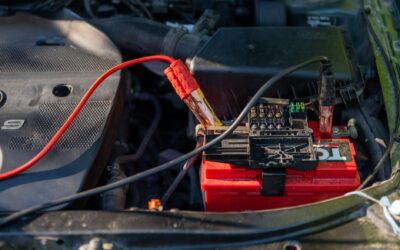
How long does a jump starter hold a charge? Typically, a well maintained lithium ion jump starter will hold its charge for 6 to 12 months, while a lead acid unit may last 3 to 6 months before needing a recharge. The exact duration depends on several factors including battery chemistry, storage conditions, and how often you use the device. Understanding these variables helps you keep your jump starter ready when you need it.
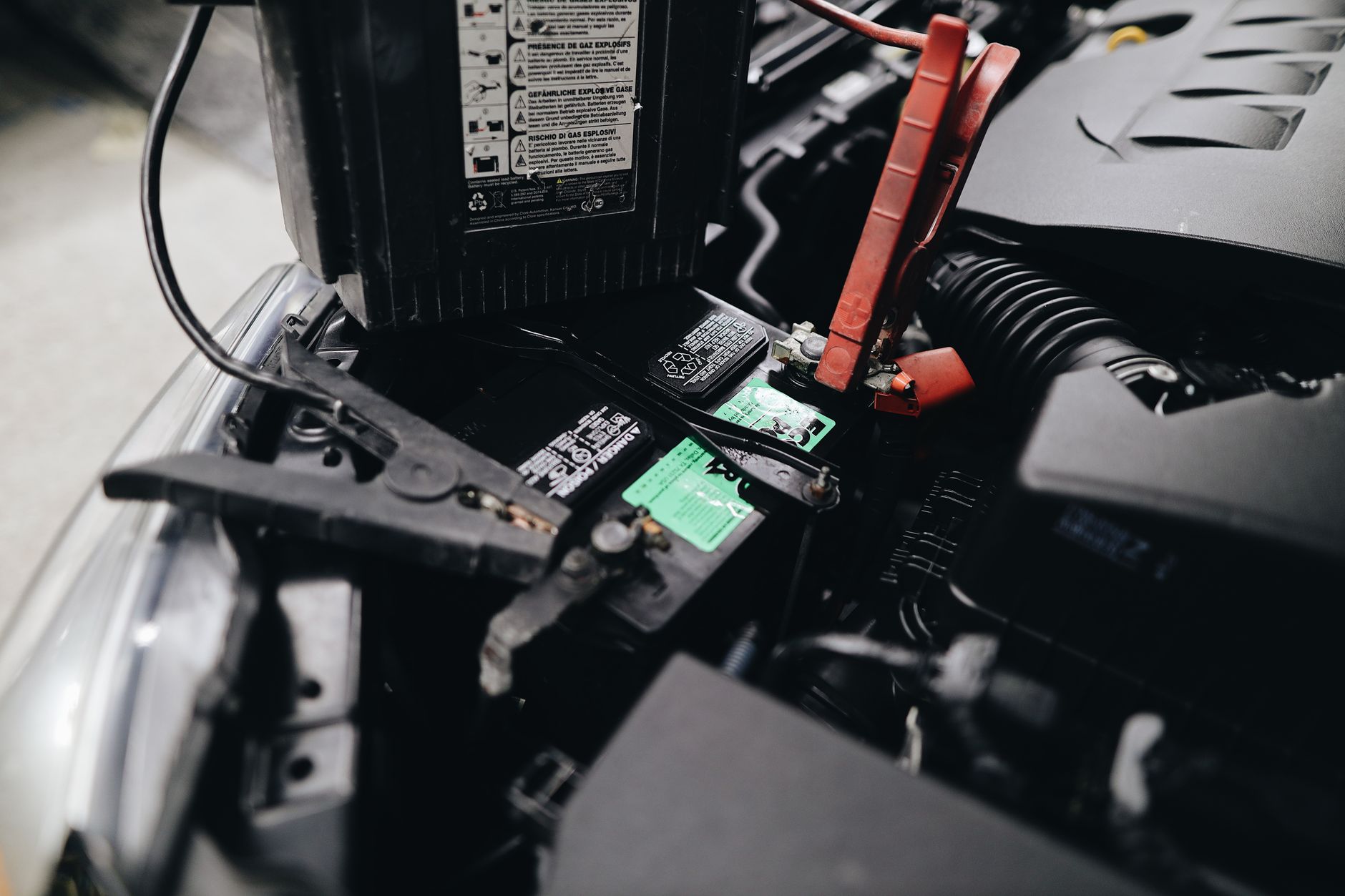
Battery Chemistry and Self Discharge Rate
The type of battery inside your jump starter is the single biggest factor in how long it holds a charge. Lithium ion batteries have a very low self discharge rate, typically losing only 2 to 3 percent of their charge per month when stored properly. Lead acid batteries, on the other hand, can lose 5 to 10 percent per month.
That means a lithium ion jump starter can sit unused for nearly a year and still have enough power to start a car. A lead acid unit may drop below usable voltage after just a few months. If you want maximum standby time, the type of battery matters more than any other factor.
Storage Temperature Effects on Charge Life
Temperature is the second most important factor. Extreme heat accelerates chemical reactions inside the battery, causing faster self discharge. Extreme cold slows the reactions but can also reduce the battery’s usable capacity temporarily.
Storing your jump starter in a cool, dry place around 60 to 75 degrees Fahrenheit will help it retain its charge longer. Avoid leaving it in a hot car trunk during summer or a freezing garage in winter. Doing so can cut the charge holding time by half or more.
Battery Age and Charge Cycles
As a jump starter battery ages, its ability to hold a charge declines. Lithium ion batteries typically last for 300 to 500 full charge cycles before their capacity drops significantly. Lead acid batteries may only last 200 to 300 cycles.
After several years of use, you will notice that the same unit now needs recharging every 2 to 3 months instead of 6 or 12. This is normal and signals that the battery is approaching the end of its service life. Replacing the unit rather than just the battery is usually more practical.
Parasitic Drain From Internal Electronics
Many modern jump starters include built in USB ports, LED flashlights, and voltage displays. These components draw a small amount of power even when the unit is turned off, known as parasitic drain.
Some units have a physical on/off switch that fully disconnects the internal circuitry. Others rely on a standby mode that still sips power. If your jump starter has a hard switch, turning it off when not in use can add weeks or months to the charge retention time.
Initial State of Charge When Stored
A jump starter that is stored fully charged will hold its charge longer than one stored partially charged. Most manufacturers recommend storing lithium ion units at 50 to 80 percent charge for long term storage, but for everyday readiness, a full charge is best.
If you store the unit after a light use without recharging it first, the self discharge process starts from a lower level, which means it will reach a critical low voltage sooner. Always top off the battery after each use to maximize standby time.
Maintenance and Recharging Habits
Even the best jump starter will lose its charge eventually. The key is to establish a regular maintenance routine. Check the charge level every 2 to 3 months and recharge if it drops below 75 percent.
For lithium ion units, a quick top off every 3 months is sufficient to keep the battery healthy. Lead acid units may need a full recharge every 2 months. Neglecting this routine can leave you with a dead jump starter when you need it most.
How to Prolong the Charge Holding Time
- Choose a lithium ion jump starter over lead acid for longer standby periods.
- Store the unit in a cool, dry location away from direct sunlight and temperature extremes.
- Turn off any physical power switch to eliminate parasitic drain.
- Recharge the battery to full after each use, even if you only used a small amount of power.
- Perform a maintenance recharge every 2 to 3 months during long periods of non use.
- Replace the jump starter when you notice the charge holding time has dropped significantly.
For more tips on keeping your automotive tools in top shape, visit our Automotive category for related guides and resources.
Related Guides
Frequently Asked Questions
How often should I recharge my jump starter if I don’t use it?
You should check the charge level every 2 to 3 months and recharge it when the indicator shows 75 percent or less. For lithium ion models, a full recharge every 6 months is usually enough, but lead acid units need more frequent attention.
Can a jump starter lose its charge in cold weather?
Yes. Cold temperatures slow the chemical reactions inside the battery, which can temporarily reduce its capacity and make it seem like the charge is lost. Once warmed up, the battery often recovers some of that apparent loss, but repeated freezing can permanently damage it.
Does a jump starter hold charge longer if I never use it?
Not necessarily. All batteries self discharge over time, regardless of use. However, if you fully charge the unit and store it under ideal conditions (cool, dry, with parasitic drain minimized), it will hold its charge for the maximum possible duration.
How do I know when my jump starter needs recharging?
Most jump starters have a built in charge indicator, such as LED lights or a digital display. When the indicator shows 75 percent or lower, it is time to recharge. Some units also beep or flash when the voltage drops below a safe threshold.
Is it bad to leave a jump starter plugged in all the time?
Leaving it plugged in continuously can overcharge older lead acid models and shorten battery life. Modern lithium ion units have overcharge protection, but it is still better to unplug once fully charged and top off periodically rather than maintain a constant connection.
How long does a jump starter hold a charge?
It varies, but with the right battery type, proper storage, and regular maintenance, you can expect at least several months of reliable standby power. For a deeper look into related car battery issues, check out our article on car battery keeps dying overnight.