To maintain a rowing machine, you need to regularly clean the rail and seat rollers, lubricate the chain or mechanism according to the manufacturer’s instructions, and tighten any loose bolts or hardware. This simple routine prevents squeaks, uneven resistance, and premature wear, keeping your machine reliable for years. Consistent care also protects your investment and ensures every rowing session feels as smooth as the first.
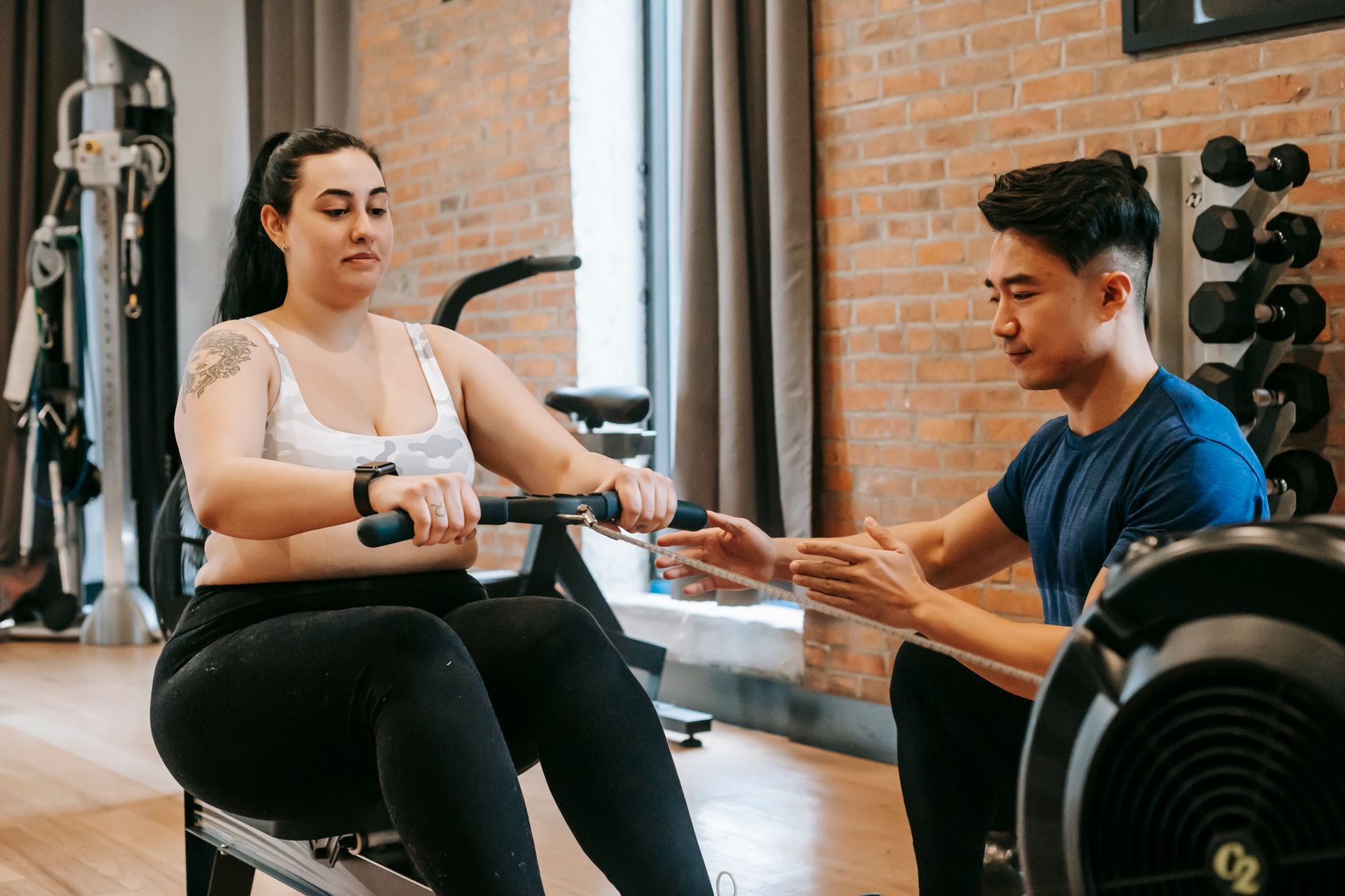
Why Regular Cleaning Is Essential for Your Rowing Machine
Dust, sweat, and moisture accumulate on your rowing machine after every use. These contaminants can degrade the rail surface, gum up the seat rollers, and cause the chain or belt to wear unevenly. A quick wipe down after each workout prevents buildup that leads to noisy operation and reduced performance.
Focus on the seat rail, handlebar, and any exposed metal parts. Use a damp cloth with mild soap, then dry thoroughly. Avoid harsh chemicals that could damage plastic or painted surfaces. This simple habit takes less than two minutes but dramatically extends your machine’s lifespan.
Lubricating the Chain or Mechanism: A Key Step in Rowing Machine Maintenance
The chain on a rowing machine needs periodic lubrication to reduce friction and prevent rust. If your machine has a chain, apply a light machine oil or a silicone-based lubricant specifically designed for rowing machines. Wipe off any excess to avoid attracting dust.
For machines with a belt or magnetic resistance, the mechanism typically requires less frequent lubrication. Check your owner’s manual for the recommended schedule and lubricant type. Over-lubricating can be as harmful as not lubricating at all.
Checking and Tightening Hardware for a Safe Workout
Vibrations from rowing can loosen bolts, screws, and nuts over time. Loose hardware creates wobbles, unusual noises, and even safety hazards. Inspect all visible fasteners monthly, especially on the seat, footrests, and frame joints.
Tighten any loose components with the appropriate tool, usually a hex key or screwdriver. Avoid overtightening, which can strip threads. A quick hardware check prevents small issues from becoming expensive repairs.
Inspecting and Replacing the Seat Rollers
The seat rollers glide along the rail and are prone to wear. If you feel a bumpy or jerky motion during your stroke, the rollers may have flat spots or debris lodged in them. Remove the seat and clean the rollers with a soft brush.
Check for cracks or excessive wear. If the rollers are damaged, replace them promptly to avoid scratching the rail. Smooth rollers are critical for a comfortable and effective rowing motion.
Managing the Monitor and Electronics
The display console on your rowing machine tracks your workout data. Keep it clean with a dry, soft cloth. Avoid spraying any liquid directly on the screen, as moisture can seep into the electronics and cause malfunctions.
Check the battery compartment for corrosion if the display flickers or turns off. Replace batteries as needed, and store the machine in a dry area to protect the electronics from humidity.
Storing Your Rowing Machine Properly
Where you store your rowing machine affects its longevity. Avoid damp basements or garages where humidity can rust metal parts and warp wood or plastic. A climate-controlled room is ideal.
If you fold or stand the machine upright, follow the manufacturer’s instructions to prevent strain on the frame. Cover the machine when not in use to protect it from dust and accidental spills.
How to Fix Common Rowing Machine Issues
Here are actionable steps to address the most frequent problems you may encounter:
- Clean the rail and seat rollers after every use to prevent dust buildup.
- Lubricate the chain or mechanism per the manufacturer’s schedule.
- Tighten all bolts and screws monthly to eliminate wobbles.
- Inspect seat rollers for wear and replace if necessary.
- Wipe the monitor with a dry cloth and check batteries regularly.
- Store the machine in a dry, temperature-stable area.
Frequently Asked Questions
How often should I lubricate my rowing machine chain?
Lubricate the chain every 50 to 100 hours of use, or once a month if you row daily. Always use a lubricant recommended by the manufacturer to avoid damaging the chain or resistance system.
Can I use WD-40 on my rowing machine?
WD-40 is a solvent and degreaser, not a lubricant. It can strip away existing lubrication and attract dust. Use a dedicated silicone or machine oil instead for proper chain care.
Why does my rowing machine squeak when I row?
Squeaks usually come from dry chain links, dirty seat rollers, or loose hardware. Clean and lubricate the affected parts, then tighten any bolts. If the squeak persists, check for worn bearings or bushings.
How do I clean the seat rail without damaging it?
Use a soft, damp cloth with mild soap and water. Wipe the rail gently, then dry it completely. Never use abrasive pads or harsh cleaners, as they can scratch the rail surface and affect roller movement.
What should I do if my rowing machine’s monitor stops working?
First, check the battery compartment for corrosion and replace batteries. If that doesn’t work, inspect the cable connections between the monitor and the sensor. Consult your manual for specific troubleshooting steps.
Related Guides
Final Thoughts
Maintaining a rowing machine boils down to regular cleaning, proper lubrication, and periodic hardware checks. These small efforts ensure your machine stays quiet, smooth, and safe for years.