You have been eyeing a virtual reality headset for months, but the choice between Meta Quest 3 and Quest 2 leaves you stuck. The Quest 2 has been a reliable entry point, yet the Quest 3 promises sharper visuals and a more immersive experience. This guide cuts through the noise to help you decide which headset fits your gaming, fitness, or productivity goals in 2026. Whether you are a seasoned VR enthusiast or a curious newcomer, we evaluate the latest models to point you toward the right pick. For more context on the broader VR landscape, check out our review of top meta quest 3 alternatives for 2026.


Buying Guide
Graphics and Display Quality
The display is your window into virtual worlds, and it can make or break immersion. The Meta Quest 3 boasts a nearly 30% leap in resolution over the Quest 2, with a stunning 4K+ Infinite Display that renders every texture and shadow with breathtaking clarity. In contrast, the Quest 2 offers a solid 1832 x 1920 pixels per eye, which still delivers a smooth experience but lacks the sharpness of its successor. If you prioritize visual fidelity for games or virtual travel, the Quest 3 is a clear upgrade.
Processing Power and Performance
Under the hood, the Quest 3 runs on the Snapdragon XR2 Gen 2 processor, delivering double the graphical processing power of the Quest 2. This means lightning-fast load times and smoother gameplay in demanding titles. The Quest 2, while capable with its earlier chipset, can show its age with complex scenes. For a seamless experience in 2026, the Quest 3 is the performance king, but the Quest 2 remains a budget-friendly option for casual users.
Comfort and Design
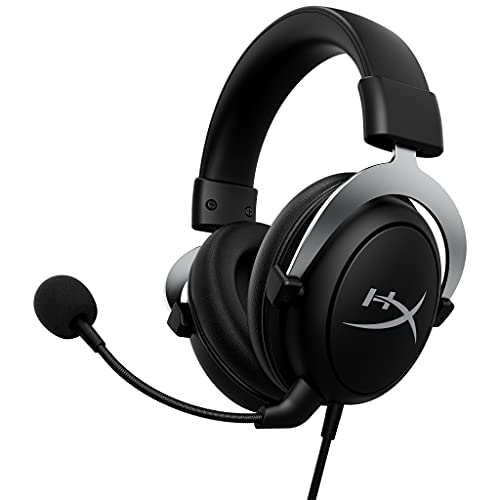
Comfort matters for long sessions, and both headsets have evolved. The Quest 3 features a balanced design with improved weight distribution, while the Quest 2 can feel front-heavy after extended use. The Quest 3 also includes pancake lenses for a slimmer profile and better edge-to-edge clarity. If you plan to wear your headset for hours, the Quest 3 is the more comfortable choice. For audio considerations, read our HyperX cloud III gaming headset review for complementary audio gear.
Storage and Memory
Storage capacity determines how many games and apps you can keep installed. The Quest 3 offers 128GB and 512GB variants, while the Quest 2 is available in 256GB (renewed). The Quest 3 also packs 8GB of RAM, a 33% increase over the Quest 2, enabling more responsive multitasking and smoother performance in complex VR environments. Choose the Quest 3 if you want room to grow, or the Quest 2 if you are content with a moderate library.
Final Thoughts
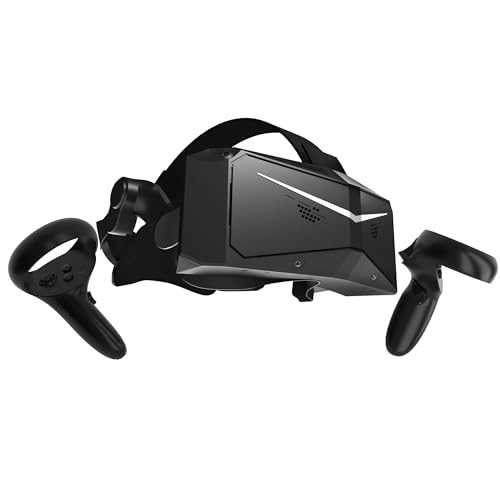
After evaluating both headsets, the Meta Quest 3 stands out as the superior choice for most users in 2026, offering a significant leap in graphics, processing power, and comfort that justifies its higher price point. However, if you are on a tighter budget or primarily want to explore VR casually, the Meta Quest 2 remains a capable and affordable entry point. For the best all-around experience, grab the Meta Quest 3 512GB | Virtual Reality; for a cost-effective start, consider the Meta Quest 2 Advanced All In One Virtual Reality.
Frequently Asked Questions
Is the Meta Quest 3 worth upgrading from Quest 2?
Yes, if you value sharper visuals and faster performance. The Quest 3’s 4K+ display and Snapdragon XR2 Gen 2 processor deliver a noticeably better experience for games and productivity in 2026.
Can I play Quest 2 games on Quest 3?
Absolutely. The Quest 3 is backward compatible with the entire Quest 2 library, so you can enjoy your favorite titles without losing progress or purchases.
Which headset is better for fitness apps?
The Quest 3 offers better comfort and lighter weight, making it ideal for active sessions. Its improved passthrough also helps you stay aware of your surroundings during workouts.
How long does the battery last on each model?
Both headsets provide around 2+ hours of battery life per charge, sufficient for most gaming sessions. The Quest 3’s improved efficiency ensures consistent performance throughout.