To jump start a car, you connect a live battery from another vehicle to your dead battery using jumper cables in a specific sequence, then let the donor car run for a few minutes before attempting to start your own. This process safely transfers enough electrical charge to get your engine running again. Knowing how to jump start a car is a fundamental skill for any driver, as a dead battery is one of the most common roadside issues. The key is following the correct order of connections to avoid sparks or damage to your car’s electrical system.
Dead Battery from Leaving Lights On
The most frequent reason you need to jump start a car is accidentally leaving the headlights, interior lights, or dome light on overnight. Even a small interior bulb can drain a battery completely over several hours. Modern cars often have automatic shutoffs, but older models may not, making this a common oversight.
If you suspect this is the cause, check that all lights are off before attempting a jump. This is also a good reminder to double check your lights when you park. A jump start will get you going, but the battery may need a longer recharge later.
Battery Age and Wear
Car batteries have a finite lifespan, typically three to five years. As a battery ages, its ability to hold a charge diminishes, especially in cold weather. If your battery is older and you frequently need to jump start a car, it may be time for a replacement rather than just a jump.
Extreme temperatures, both hot and cold, accelerate battery wear. A battery that struggles to start the engine on a cold morning is a classic sign of age. You can test the battery’s voltage with a multimeter to confirm its health.
Parasitic Drain from Electronics
Some cars have a parasitic drain, where a component like a glove box light, trunk light, or aftermarket stereo continues to draw power even when the car is off. This slowly drains the battery over days or weeks, leading to a dead battery when you least expect it. Identifying a parasitic drain requires a multimeter and some troubleshooting.
If you notice your battery dies after sitting for a few days without any lights left on, a parasitic drain is likely. A professional mechanic can pinpoint the source. In the meantime, a jump start will get you to a repair shop.
Faulty Alternator Not Charging the Battery
The alternator recharges the battery while the engine runs. If the alternator fails, the battery will not receive a charge, and the car may die shortly after a jump start. You might notice dimming headlights or a warning light on the dashboard. This is a different problem than a dead battery alone.
If you successfully jump start a car but it dies again after a short drive, the alternator is the likely culprit. You can test the alternator with a multimeter to see if it’s outputting the correct voltage. A faulty alternator needs professional repair.
Extreme Cold Weather
Cold temperatures thicken engine oil and slow down the chemical reactions inside a battery, reducing its cranking power. This is why jump starting a car is more common in winter. A battery that works fine in summer may struggle in freezing conditions.
If you live in a cold climate, keeping your battery fully charged and using a battery warmer can help. A jump start in cold weather may require letting the donor car run longer before attempting to start the dead car.
How to Jump Start a Car Safely
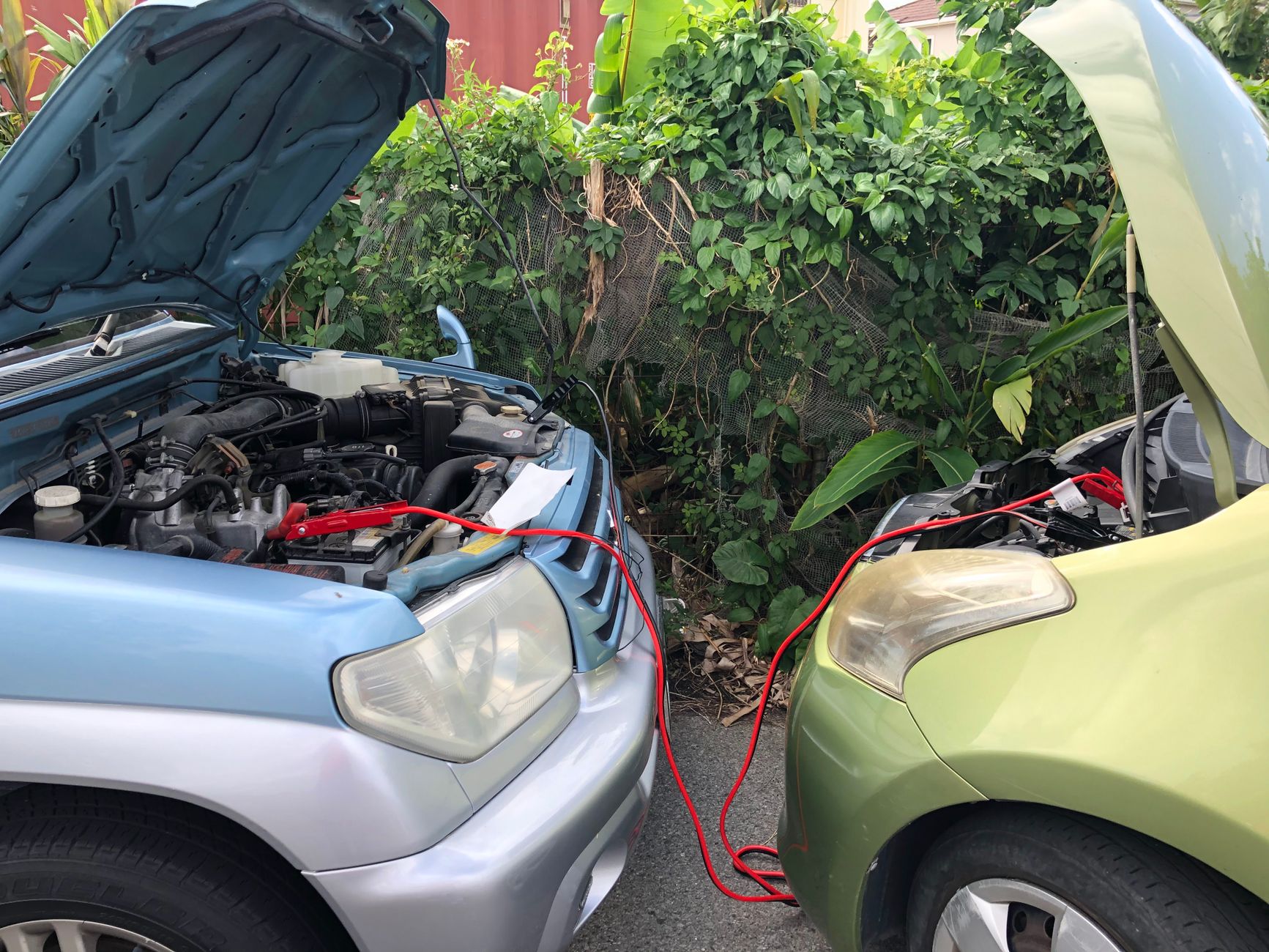
- Park both cars close enough so the jumper cables reach both batteries, but ensure the cars are not touching. Turn off both ignitions and all accessories.
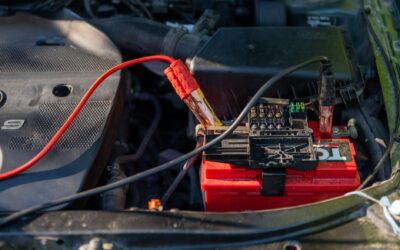
- Identify positive and negative terminals on both batteries. The positive terminal is usually marked with a red cover or a plus sign.
- Connect the red jumper cable to the positive terminal of the dead battery first, then to the positive terminal of the donor battery.
- Connect the black jumper cable to the negative terminal of the donor battery. Then, connect the other end to an unpainted metal surface on the dead car’s engine block or chassis, away from the battery. This grounds the connection and reduces spark risk.
- Start the donor car and let it run for a few minutes. Then try to start the dead car. If it doesn’t start, wait a few more minutes.
- Once the dead car starts, disconnect the cables in reverse order: black from the ground, black from the donor, red from the donor, red from the dead car. Let the revived car run for at least 15 minutes to recharge the battery.
If your car still won’t start after a proper jump, the battery may be completely dead or the alternator may be faulty. In that case, diagnosing the issue with a multimeter is a logical next step. For a detailed walkthrough, see our guide on how to test alternator with multimeter.
Frequently Asked Questions
Can you jump start a car with a completely dead battery?
Yes, but a completely dead battery may not accept a charge as quickly. Let the donor car run for five to ten minutes before attempting to start the dead car. If it still doesn’t work, the battery may be sulfated and need replacement.
Is it safe to jump start a car in the rain?
Yes, it is generally safe to jump start a car in the rain, as modern cars and jumper cables are insulated. However, avoid letting the cable clamps touch each other or any wet surfaces. Dry your hands and the terminal areas if possible.
What happens if you connect jumper cables backwards?
Connecting jumper cables backwards can cause a dangerous spark, damage the batteries, or harm the electrical systems of both cars. Always double check the positive and negative terminals before connecting. If you hear a loud pop or see smoke, disconnect immediately.
How long should I drive after a jump start to recharge the battery?
You should drive for at least 15 to 30 minutes after a jump start to give the alternator time to recharge the battery. Short trips may not be enough, leaving you with a weak battery again. A longer highway drive is ideal for a full recharge.
Related Guides
- Best Jump Starter for 6.7 Cummins
- How Many Amps To Jump Start a Car
- How Long To Drive After Jump Start
- Compact Jump Starters
- Best NOCO Jump Starter of
Closing
Knowing how to jump start a car safely can get you back on the road quickly when a dead battery strikes. If you find yourself needing jumps frequently, it’s worth investigating the underlying cause. For more on battery health, check out our article on car battery keeps dying overnight.