Your tire pressure drops when cold because the air inside the tire contracts as the temperature falls. This is a basic physical principle: colder air molecules move less vigorously, taking up less volume and therefore exerting less pressure on the tire walls. For every 10°F drop in temperature, tire pressure typically decreases by about 1 psi, though the exact amount depends on the starting temperature and the tire’s condition. Understanding this relationship helps you know when to add air and when the drop is just a normal seasonal shift.
Thermal Contraction of Air (The Primary Cause)
The ideal gas law explains most of what you see. When the air temperature outside drops, the air inside the tire cools down too. Cooler air molecules are less energetic, so they occupy less space. Because the tire volume is fixed, the pressure inside falls. This is why your tire pressure warning light often appears on the first truly cold morning of the season.
This effect is temporary. Once you drive the car for a few miles, the tires warm up from friction with the road, and the air inside expands, raising the pressure again. That’s why checking tire pressure first thing in the morning (when it’s coldest) gives you the most accurate reading for what you’ll experience on the road.
Moisture Inside the Tire
If moisture has gotten into your tire—from humid air pumped in or from a slow leak that lets in damp outside air—that water vapor behaves differently from dry air. When the temperature drops, water vapor can condense into liquid droplets inside the tire. Liquid water takes up much less volume than vapor, so the pressure drops more sharply than it would with dry air alone.
Using dry nitrogen to fill tires is one way to minimize this effect, but even regular air works fine if the tire is properly sealed and the air compressor you used was dry. If you suspect moisture is a recurring issue, have a tire shop check the valve stems and bead seal.
Existing Slow Leaks Become More Noticeable
A tire that already has a tiny leak might not trigger a warning in mild weather because the pressure loss happens gradually over days or weeks. But when cold weather arrives, the thermal contraction adds to that leak’s effect. The combined drop can push the pressure below the warning threshold, making it seem like the cold “caused” the leak when it was already there.
If you notice the same tire is always low after a cold snap, check for visible damage like a nail or a cut. A soapy water test around the valve stem and sidewall can reveal a slow leak that isn’t obvious otherwise.
Seasonal Temperature Trends and Altitude Changes
In many regions, the transition from fall to winter brings a sustained drop in average temperatures. That seasonal shift alone can cause tire pressure to drop by several psi over the course of a few weeks. Similarly, if you drive from a lower altitude to a higher one (common in mountain driving), the lower atmospheric pressure outside allows the tire to expand slightly, but the internal pressure relative to outside doesn’t change much—the effect is usually minor compared to temperature.
What matters most is checking your tire pressure regularly during seasonal changes, especially as temperatures drop into the 30s and 40s. Your owner’s manual lists the recommended cold inflation pressure for your vehicle.
How to Fix Low Tire Pressure in Cold Weather
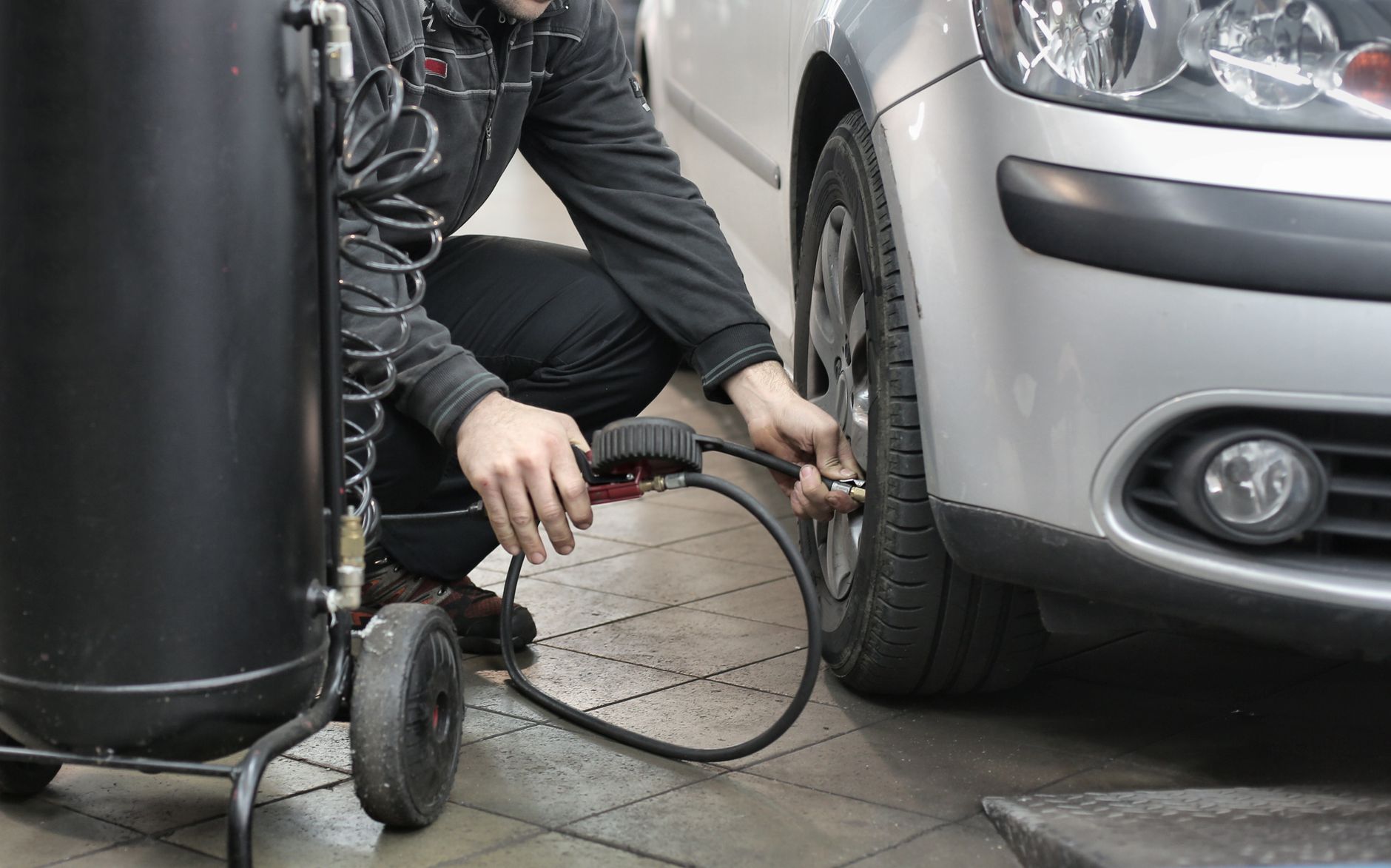
- Check your tire pressure with a reliable gauge when the tires are cold (car parked for at least three hours or driven less than a mile before checking).
- Inflate to the manufacturer’s recommended cold pressure, which is usually listed on a sticker inside the driver’s door jamb or in the owner’s manual.
- If a single tire consistently drops more than the others, have it inspected for a slow leak by a professional.
- Consider using a tire pressure monitoring system (TPMS) sensor that gives you real time readings, but remember that sensors can fail over time.
- During winter, add air only on a cold morning so you don’t overinflate when the tires warm up later in the day.
Cold weather can also affect other parts of your car, like the battery. If you find yourself dealing with multiple cold weather car issues, check out our guide on why a car battery keeps dying overnight for common causes and simple fixes.
Frequently Asked Questions
How much does tire pressure drop per degree of temperature?
On average, tire pressure drops about 1 psi for every 10°F drop in temperature. The exact change depends on the starting pressure, the tire’s air volume, and whether moisture is present. Checking pressure once a month is a good habit regardless of the weather.
Should I inflate my tires more in winter?
No, you should always inflate to the manufacturer’s recommended cold pressure, which is the same year round. Overinflating to compensate for cold weather can reduce traction and cause uneven wear. The system is designed for that pressure when cold.
Why does my tire pressure light come on when it’s cold but not warm?
Because the temperature drop reduces pressure enough to cross the alert threshold. Once you drive and the tires warm up, the pressure rises, and the light may turn off. If it comes back every cold morning, your tires likely need air or have a slow leak.
Is it normal for tire pressure to drop in winter?
Yes, it is completely normal. A drop of 3 to 5 psi from summer to winter is common. As long as you inflate back to the recommended pressure, the tires will perform safely. Just remember to check pressure when the tires are cold for accuracy.
Related Guides
- Best Tire Inflator for Truck Tires
- Best Tire Inflator for SUV
- How Often Should You Check Tire Pressure
Stay Ahead of the Cold
Tire pressure drops when cold because air contracts, but the fix is simple: check and adjust pressure during seasonal transitions. For another common cold weather car issue, see what you can do about a car battery that keeps dying overnight, a problem many drivers face in winter.