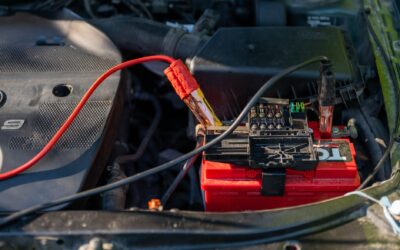
Your battery dies at the worst possible moment: a cold morning before work, a weekend camping trip, or just when you need to start the lawn mower for the first time in months. A reliable battery charger spares you from these headaches, keeping your batteries healthy and ready. In this guide, we review the best battery charger options for 2026, covering everything from compact maintainers to heavy-duty units that handle multiple battery types. Whether you own a car, motorcycle, boat, or just need to recharge household batteries, we have you covered.
Choosing the right charger depends on your battery chemistry, voltage, and how often you use it. We evaluated dozens of models based on charging speed, safety features, and versatility to bring you the top picks below. If you are also interested in keeping your vehicle’s diagnostic tools up to date, check out our guide on the best ANCEL OBD2 scanners for real-time data.


Pros
- Rapid 12A charging speed shortens wait time for dead batteries.
- Works with multiple battery types including AGM, deep-cycle, and lithium LiFePO4.
- Smart trickle charging technology prevents overcharging and maintains battery health.
- Reverse hook-up protection safeguards against damage from incorrect clamp connections.
- Long 12-foot total reach with power and battery cables for easy hook-up in tight spaces.
Cons
- Maximum 12A charge rate may not be sufficient for large commercial or heavy-duty batteries.
- No built-in battery load tester or advanced diagnostic features like Bluetooth connectivity.
- Limited to 6V and 12V systems; not compatible with 24V or higher voltage batteries.
The CRAFTSMAN CMXCESM258 is a 4-in-1 battery charger and maintainer designed for car owners, motorcycle enthusiasts, and anyone with seasonal vehicles like ATVs, trucks, SUVs, or boats. It delivers 12 amps of rapid charging power to revive dead batteries and includes a maintainer mode to keep batteries healthy during storage.
Standout features include auto voltage detection for 6V and 12V systems, reverse hook-up protection, and a digital display that keeps you informed. The charger supports standard, AGM, deep-cycle, and lithium LiFePO4 batteries, making it versatile for various applications. The desulfation mode helps extend battery life by breaking down sulfate crystals, a common issue with infrequently used batteries.
Build quality meets CRAFTSMAN standards with a durable red casing and a 6-foot power cord plus 6-foot battery cables, giving you 12 feet of total reach. The microprocessor-controlled operation ensures safe and efficient charging, while the smart trickle charging technology prevents overcharging once the battery is full.
Potential drawbacks include the 12A maximum charge rate, which may not suit larger commercial batteries, and the lack of advanced features like Bluetooth or a built-in load tester. However, for home garage use and maintaining seasonal vehicles, this charger offers excellent value.
Overall, the CRAFTSMAN CMXCESM258 is a reliable and easy-to-use battery charger that delivers on its promises. With its combination of rapid charging, multi-battery compatibility, and safety features, it is a solid choice for anyone looking to keep their vehicles ready to go.


Buying Guide: What to Look for in a Battery Charger
Selecting the ideal charger for your situation involves a few key considerations. We break down the most important factors so you can make an informed choice.
Battery Compatibility and Voltage
Most car and motorcycle batteries are 12 volts, but some classic cars, boats, and power sports vehicles use 6 volts or 24 volts. Ensure your charger supports the voltage of your battery. Also check whether it works with lead-acid (flooded, AGM, gel) or lithium-ion (LiFePO4) chemistries. The NOCO GENIUS1, for example, handles both 6V and 12V lead-acid and lithium batteries, making it extremely versatile.
Charging Speed and Amperage
Charging speed is measured in amps (A). A higher amperage charges faster but may be overkill for small batteries. A 1A charger like the NOCO GENIUS1 is perfect for maintaining a motorcycle or lawn mower battery, while a 10A or 25A unit like the TowerTop can revive a deeply discharged car battery in a few hours. The TowerTop delivers up to 25A and can charge a 100Ah battery in under 3.5 hours. If you need to start an engine fast, look for models with an engine start mode that delivers a burst of current.
Smart Features: Maintenance, Desulfation, and Repair
Modern smart chargers do much more than just pump electricity. They automatically detect the battery state and apply the correct charge profile. Features like desulfation (pulse repair) can restore capacity to older batteries by breaking down sulfate crystals. The CRAFTSMAN 12A charger, for instance, includes an advanced desulfation mode. Some chargers also offer a winter mode to boost charging voltage in cold weather, which is essential for those living in colder climates. The PCHH heavy-duty charger includes a dedicated winter mode.
Safety and Convenience
Look for reverse polarity protection, spark-proof designs, overcharge protection, and thermal management. A good charger should be safe to leave connected indefinitely without overcharging. Integrated thermal sensors, like those in the NOCO GENIUS10, adjust charging based on ambient temperature. Also check the included cables and connectors; eyelet terminals make permanent installation easy, while clamps are standard for portable use. For a deeper dive into automotive tools, see our best check engine light scanner guide to pair with your charger.
Final Thoughts
After thoroughly evaluating each model, we recommend the NOCO GENIUS10 10A 6/12V Smart Battery Charger for its exceptional combination of compact design, precision charging, and ability to revive deeply discharged batteries—perfect for car owners who want a long-term solution. For those who need a heavy-duty workhorse that handles both 12V and 24V systems with engine start capability, the PCHH 12V 24V Car Battery Charger Heavy Duty is a top pick, especially for larger vehicles and cold climates. No matter which you choose, you will save time, money, and frustration by keeping your batteries at peak performance.
Frequently Asked Questions
Can I leave a battery charger connected all the time?
Yes, smart chargers with float or maintenance modes can be left connected indefinitely. They automatically stop charging once the battery is full and resume only when voltage drops. Models like the NOCO GENIUS10 are designed for this purpose.
What is the difference between a trickle charger and a smart charger?
A trickle charger delivers a constant low current, which can overcharge a battery if left unattended. A smart charger monitors the battery state and adjusts the charging rate, using multi-stage algorithms for safe maintenance. All the chargers in our list are smart chargers.
How do I revive a dead battery with a charger?
Many chargers have a dedicated desulfation or repair mode that uses pulse charging to break down sulfate crystals. For example, the TowerTop charger includes an independent desulfation button. Note that severely damaged batteries (below 1 volt) may not be recoverable, but most smart chargers can handle batteries as low as 1 volt.
Are lithium batteries compatible with standard chargers?
Not all chargers work with lithium-ion (LiFePO4) batteries. You need a charger that specifically supports lithium chemistry. The NOCO GENIUS1 and GENIUS10 are certified for LiFePO4, as is the CRAFTSMAN 12A unit. Always check the specifications before connecting. For more on automotive diagnostics, see our best automotive diagnostic scanner guide.