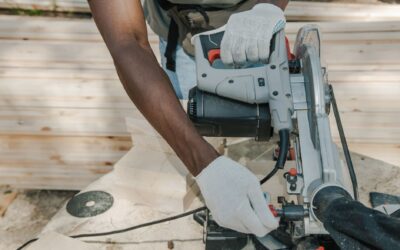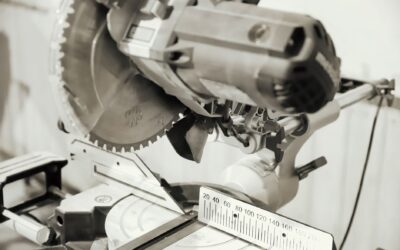
If you are asking yourself why does my miter saw not cut straight, the answer is almost always a setup issue: a misaligned blade, a loose fence, or a worn arbor. These problems cause the blade to wander or the material to shift during the cut, resulting in angled or uneven edges. The good news is that most of these causes are easy to check and correct with basic tools and a few minutes of attention.
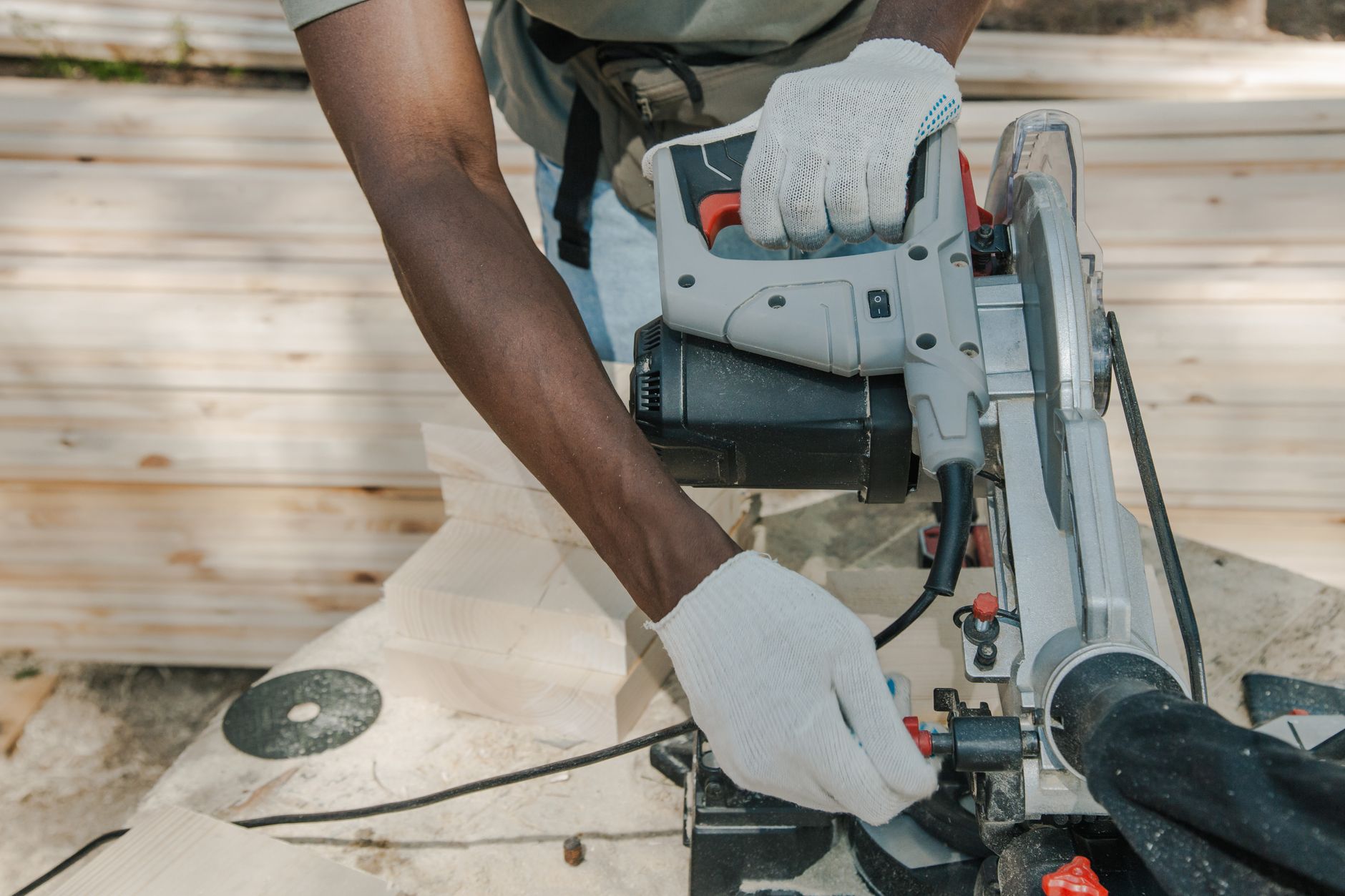
Blade Wobble or Runout
The most common reason a miter saw cuts crooked is blade wobble, technically called runout. If the blade is not perfectly flat as it spins, it will cut a wider kerf on one side and steer the cut off line. Runout often comes from a dirty or damaged arbor, where sawdust or a burr prevents the blade from seating flush.
Check the arbor by removing the blade and cleaning both the arbor flange and the blade’s center hole with a rag and a little solvent. Reinstall the blade, tightening the arbor nut firmly but not with excessive force. If the wobble persists, the blade itself may be warped and needs replacement.
Loose or Misaligned Fence
A fence that is not square to the blade will cause the workpiece to shift during the cut, making the cut appear crooked even if the blade is straight. Check the fence by lowering the blade into a scrap piece and measuring the gap between the blade and the fence at the front and back of the cut.
If the fence is out of square, loosen the bolts that secure it, adjust it with a square, and retighten. Many miter saws have adjustable fence sections that can shift independently, so check both halves. A fence that is loose or has play will also cause inconsistent cuts.
Worn or Damaged Blade
A dull blade or one with missing or chipped teeth will not cut cleanly. Instead of slicing through the wood, it will tear and deflect, pulling the cut off line. Inspect the blade under good light: if the carbide tips are chipped, or if the blade has a noticeable buildup of pitch and resin, it is time for a replacement or professional sharpening.
Using the wrong blade for the material also causes poor cuts. A blade designed for ripping will not crosscut cleanly, and a blade with too few teeth will leave a rough, wandering edge. Match the tooth count and grind to your typical workpiece.
Bevel Angle Not Set to Zero
If your bevel angle is not locked at zero, the blade will cut at an angle to the table, producing a cut that is not square through the thickness of the board. This is easy to overlook because the saw’s bevel detent may feel positive but actually sit a degree or two off.
Check the bevel with a square placed on the table against the blade. If it is off, loosen the bevel lock, adjust to zero, and tighten. Some saws have set screws that let you calibrate the zero stop, so consult your manual for that adjustment.
Improper Cutting Technique
Pushing the blade through the cut too fast, or forcing it sideways, can deflect the blade and cause a crooked cut. Let the blade reach full speed before starting the cut, and use a steady, moderate feed rate. If you are cutting a long board, support the free end at the same height as the saw table so the weight does not twist the workpiece.
Another common mistake is cutting without clamping small or irregular pieces. If the workpiece can slide or rotate during the cut, the result will be off. Use a clamp or hold-down to secure the material firmly against the fence and table.
Worn or Loose Sliding Mechanism
On sliding compound miter saws, play in the slide rods or bearings can cause the blade to drift left or right as it moves through the cut. This shows up as a curved or angled cut, especially on wider boards. Check for play by gripping the saw head and trying to wiggle it side to side.
If you find slop, the slide rods may need lubrication or the bearings may be worn. Some saws have adjustable gibs that take up slack. If the mechanism is worn beyond adjustment, replacement parts or a new saw may be needed.
How to Fix a Miter Saw That Cuts Crooked
- Clean the arbor and check the blade for wobble or damage.
- Square the fence to the blade using a precision square.
- Verify the bevel angle is locked at zero.
- Use a sharp, appropriate blade for your material.
- Support long workpieces and clamp small ones.
- Check the sliding mechanism for play and lubricate or adjust it.
Once you have worked through these steps, your saw should cut straight again.
Frequently Asked Questions
Can a dull blade cause a miter saw to cut crooked?
Yes. A dull blade requires more force to cut, which can deflect the blade and pull the cut off line. Dull blades also tend to burnish the wood rather than slice it, leaving a rough, inaccurate edge.
How do I check if my miter saw blade is square to the fence?
Lower the blade and use a combination square placed against the blade body (not the teeth) and the fence. The gap should be even from top to bottom. If it is not, adjust the fence as described in your saw’s manual.
Why does my miter saw cut straight on some angles but not others?
This usually means the detent plate or miter lock is worn or misaligned. The saw may be accurate at zero degrees but off at common stops like 45 degrees. Clean the detent plate and check for burs; some saws allow calibration of the detents.
Can a warped workpiece cause a crooked cut?
Absolutely. If the board is bowed or twisted, it will not sit flat against the fence and table. The cut will follow the curve of the wood, not the blade’s intended path. Always inspect your stock before cutting.
Should I replace the blade or sharpen it?
If the blade has chipped carbide tips or is visibly warped, replace it. If it is simply dull with intact teeth, professional sharpening is a cost-effective option. A sharp blade is essential for straight cuts.
Related Guides
- Circular Saw Not Cutting Straight
- Why Does My Circular Saw Burn the Wood?
- Why Is My Miter Saw Burning Wood?
Getting Straight Cuts Every Time
Most crooked cuts come from a blade, fence, or technique issue that you can fix in a few minutes. Start with the blade and fence alignment, then move through the other checks.