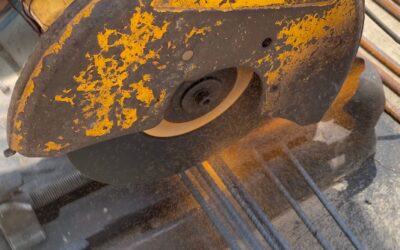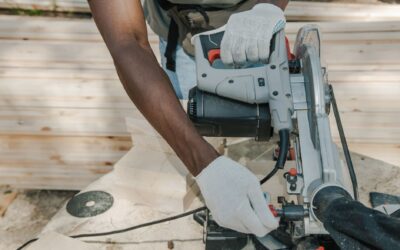
Your circular saw burns the wood because the blade is moving too slowly through the material, the blade is dull or dirty, the saw’s alignment is off, or you are cutting against the grain. When the blade generates more friction than it clears, heat builds up and scorches the wood fibers. Understanding which specific cause applies to your situation will let you fix the problem quickly and avoid ruining future cuts.
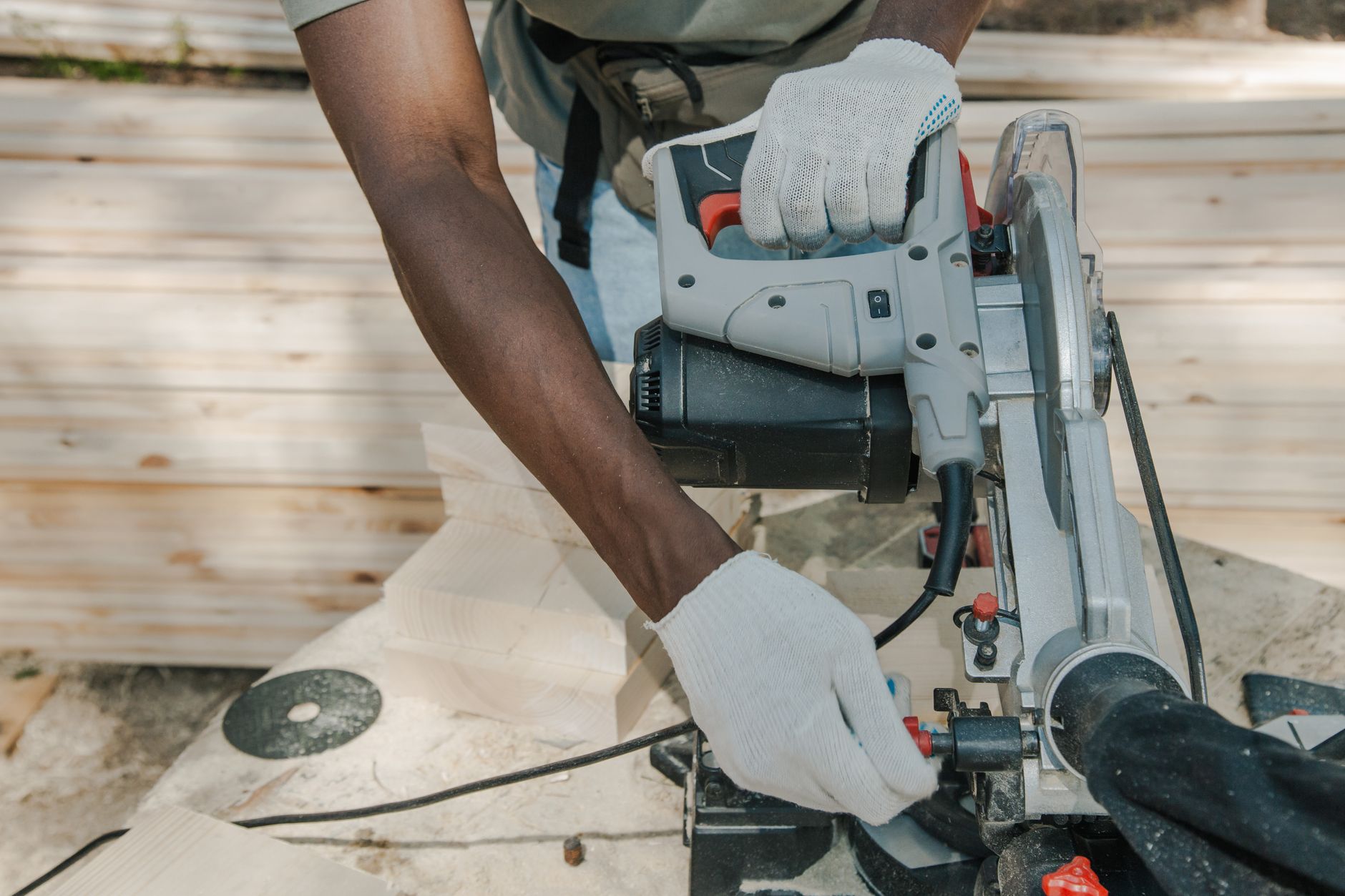
1. Dull or Damaged Blade
A dull blade is the most common reason a circular saw burns wood. As the carbide tips wear down, the blade no longer shears through fibers cleanly. Instead, it rubs and pushes, generating excess heat that darkens the cut edge.
You can check for dullness by looking at the tips under good light. If they appear rounded, chipped, or have lost their sharp edge, the blade needs replacement. A blade with missing or broken teeth will burn even more aggressively and should be replaced immediately for safety.
2. Wrong Blade for the Material
Using a blade designed for a different material can cause burning. A blade with too few teeth for a fine cut, or a blade meant for metal or masonry on wood, will struggle to clear chips and overheat.
For general ripping in softwoods, a 24-tooth blade works well. For crosscuts or plywood, a 40-tooth or higher blade produces cleaner edges with less heat. Matching the blade’s tooth count and grind to the task is essential.
3. Feeding the Saw Too Slowly
When you push the saw through the wood too slowly, the blade spins in place longer than necessary. Each revolution rubs the same spot, building heat and charring the wood. This is especially common when you are nervous or making a precise cut.
A steady, moderate feed rate keeps the blade cutting fresh material. You should hear a consistent motor pitch, not a high-pitched drag or a slow grumble. Practice on scrap to find the speed that produces clean, cool cuts.
4. Pitch and Resin Buildup on the Blade
Over time, sticky resin and pitch from the wood accumulate on the blade’s sides and between teeth. This buildup increases friction, causing the blade to run hot and leave burn marks even if it is still sharp.
You can clean the blade with a commercial pitch remover or a simple soak in a degreaser. A clean blade cuts cooler and lasts longer. Regular cleaning every few months prevents this issue from sneaking up on you.
5. Misaligned Saw or Worn Bearings
If the blade is not perfectly parallel to the saw’s base plate, it will pinch against the wood during the cut. This misalignment creates friction on one side of the kerf, burning the wood unevenly. Worn arbor bearings can also cause wobble that produces the same result.
Check alignment by marking a reference line on the base plate and measuring from the blade to the edge at the front and rear of the slot. If the measurements differ, adjust the base plate according to your saw’s manual. Worn bearings usually require professional service or saw replacement.
6. Cutting Against the Grain
Cutting against the wood grain, especially in hardwoods, forces the blade to tear rather than slice. This increases friction and heat, leading to burn marks on the exit side of the cut.
Whenever possible, orient your cut so the blade’s teeth enter the wood on the same side as the grain direction. For crosscuts, this is less of an issue, but for ripping, it makes a noticeable difference in cut quality and temperature.
How to Fix Burning Cuts on Your Circular Saw
Here is a step-by-step checklist to resolve the problem based on the causes above.
- Inspect the blade for dull or damaged teeth and replace if needed.
- Match the blade type (tooth count and grind) to the material you are cutting.
- Increase your feed speed to a steady, moderate pace.
- Clean the blade with a pitch remover or degreaser.
- Check and adjust the saw’s base plate alignment.
- Cut with the grain when ripping hardwoods.
If you have tried these fixes and still see burning, it may be time to check the saw’s motor or bearings.
Frequently Asked Questions
Can a dirty blade cause burning?
Yes, pitch and resin buildup on the blade increase friction, which generates heat and causes burn marks. Cleaning the blade regularly prevents this and extends blade life.
Is it safe to use a circular saw that burns wood?
Burning itself is not a safety hazard, but the underlying causes such as a dull blade or worn bearings can lead to kickback or binding. Address the issue before continuing to use the saw.
Why does my saw burn only on one side of the cut?
Uneven burning usually means the blade is misaligned with the base plate, causing it to rub against one side of the kerf. Check and adjust the alignment to fix this.
Does blade speed affect burning?
Yes, if the blade spins at the correct RPM but you feed the saw too slowly, the blade lingers in one spot and burns the wood. Maintaining a steady feed rate prevents this.
Can I sharpen a circular saw blade myself?
You can sharpen carbide-tipped blades with a diamond file or a specialized sharpener, but it requires practice to maintain the correct angle. Many users find replacement more reliable.
Related Guides
- Why Does My Circular Saw Keep Stopping?
- Why Does My Miter Saw Not Cut Straight
- Circular Saw Blade Spinning Backwards
Final Thoughts
Burning wood with a circular saw is almost always caused by a dull blade, wrong blade type, slow feed speed, or misalignment. Check each of these factors in order, and you will likely solve the problem without replacing the saw.