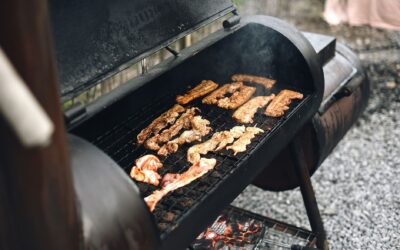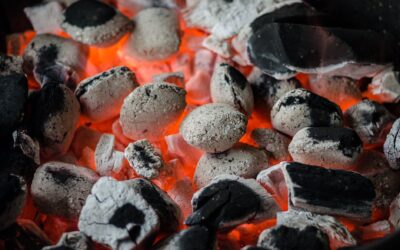
If your smoker temperature keeps dropping, the most common cause is a lack of oxygen to the fire, often due to a closed or blocked air intake, wet fuel, or an ash buildup that suffocates the coals. This happens when you add cold food or open the lid too frequently, but the root issue is usually airflow or fuel quality. Understanding these factors helps you stabilize the temperature and avoid a ruined cook.
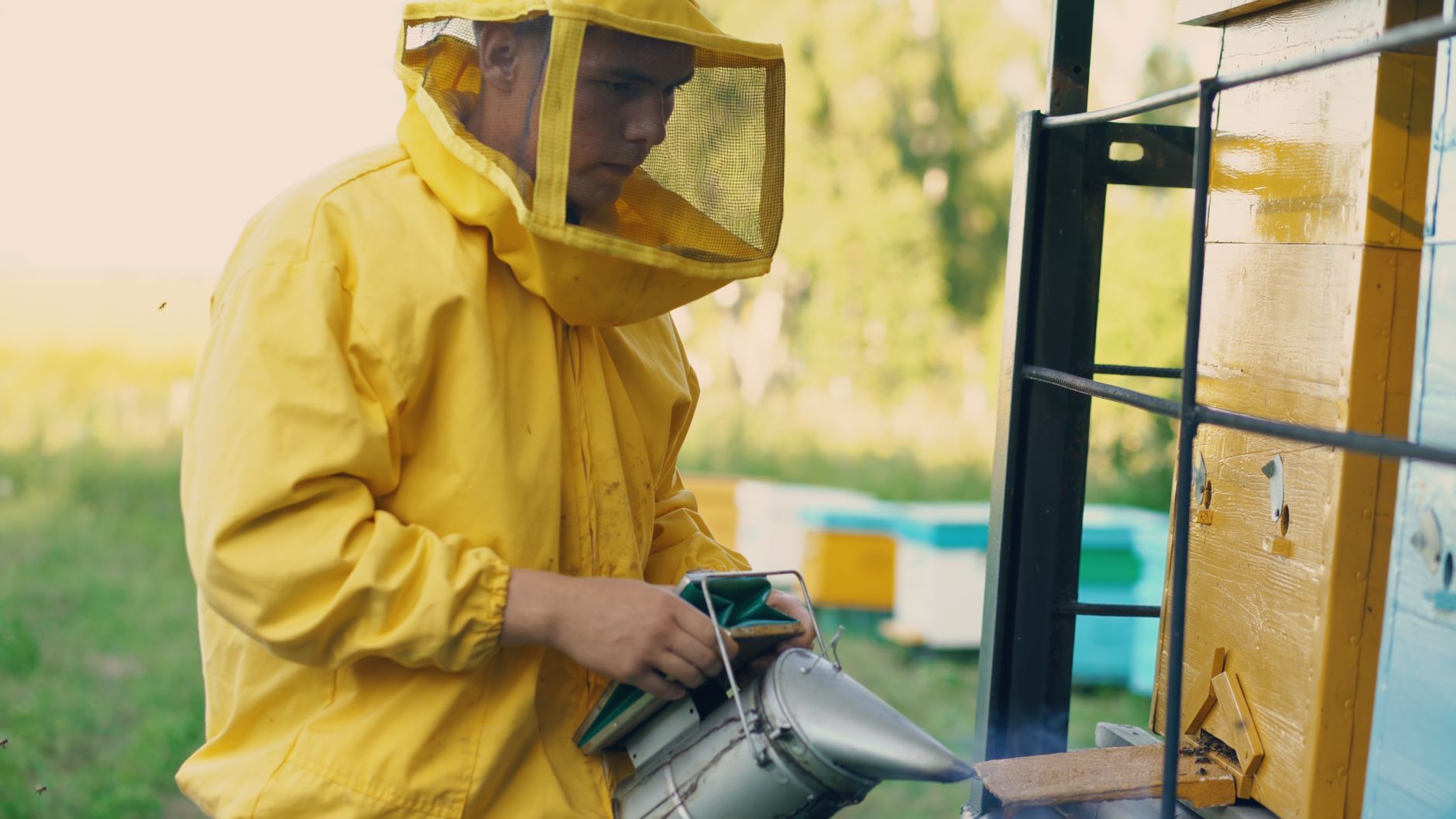
1. Airflow Restrictions Stifling the Fire
The primary factor controlling temperature in a charcoal or wood smoker is airflow. Your smoker’s intake dampers let oxygen feed the fire, and the exhaust damper lets smoke and heat exit. If either is too closed, the fire will smolder and the temperature will drop.
Check that your intake damper is open enough to allow a steady stream of air. On many smokers, the intake should be at least halfway open during the cook. Also, ensure the exhaust damper is fully open to prevent stale air from choking the fire.
2. Wet or Old Fuel
Fuel quality directly affects temperature stability. Charcoal or wood that has absorbed moisture from rain or humidity will burn cooler and less consistently. Even a small amount of moisture can cause the fire to struggle, leading to temperature drops.
Store your charcoal or wood in a dry place, like a sealed plastic bin. If you suspect wet fuel, discard it and use fresh, dry fuel. Lump charcoal generally burns hotter and cleaner than briquettes, but both must be dry.
3. Ash Buildup Blocking Airflow
As charcoal burns, ash accumulates and can block the air intake holes in the bottom of the smoker. This prevents oxygen from reaching the coals, causing the fire to die down. Ash buildup is a common but often overlooked cause of temperature drops.
Periodically, about every two hours during a long cook, open the smoker and gently shake the ash from the charcoal grate. Many smokers have an ash door or tray that lets you remove ash without disturbing the food.
4. Adding Cold Food or Too Much Food
When you place a large, cold cut of meat into a hot smoker, the food absorbs heat from the cooking chamber, causing a temporary temperature drop. This is normal, but if the drop is severe or prolonged, it can indicate other issues.
To minimize this, let your meat sit at room temperature for 30 to 60 minutes before smoking. Also, avoid overloading the smoker, as too much cold mass can overwhelm the fire. If the temperature drops significantly, increase airflow slightly to help the fire recover.
5. Opening the Lid Too Often
Every time you open the smoker lid, heat escapes and oxygen rushes in. This disrupts the stable cooking environment and can cause a temperature drop. Frequent opening also makes the fire surge or dip as it reacts to the sudden changes.
Resist the urge to check on your meat constantly. Use a remote thermometer to monitor both the smoker temperature and the internal meat temperature without opening the lid. Open only when necessary, such as when adding fuel or spritzing.
6. Wind and Ambient Temperature
External weather conditions can affect your smoker’s ability to hold temperature. Wind can cool the smoker’s exterior and affect airflow, while cold ambient temperatures make it harder for the fire to maintain heat. Rain or high humidity can also impact performance.
Position your smoker in a sheltered area, away from direct wind. In cold weather, you may need to use more fuel or slightly increase airflow to compensate. A welding blanket placed over the smoker (not over vents) can help insulate it.
How to Fix a Dropping Temperature
- Open the intake damper by at least half to increase oxygen flow.
- Check that the exhaust damper is fully open.
- Remove ash from the firebox or charcoal grate.
- Add fresh, dry charcoal or wood if the fuel is wet or old.
- Let meat sit at room temperature before smoking.
- Minimize lid openings; use a remote thermometer instead.
- Shield the smoker from wind and cold weather.
If you have tried these fixes and still struggle with temperature control, your smoker itself may have design issues like poor seals or thin metal.
Frequently Asked Questions
Why does my smoker temperature drop when I add wood chips?
Adding wood chips can cause a temperature drop because the chips themselves are cold and may smother the fire initially. Use pre-soaked chips or add them gradually to avoid a sudden dip. Also, ensure your airflow is adequate to support the extra fuel.
Should I close the exhaust damper to raise the temperature?
No, closing the exhaust damper will not raise the temperature; it will actually cause stale air to build up, choking the fire. Always keep the exhaust damper fully open during cooking. Adjust only the intake damper to control temperature.
How long should I wait for the smoker to stabilize after adding fuel?
After adding fuel, allow 15 to 30 minutes for the temperature to stabilize. Do not open the lid during this time. If the temperature continues to drop after 30 minutes, check airflow and fuel quality.
Can a dirty temperature probe cause false readings?
Yes, a dirty or greasy probe can give inaccurate temperature readings, making you think the smoker temperature keeps dropping when it is actually fine. Clean your probe with a damp cloth before each use to ensure accuracy.
Is it normal for a smoker temperature to fluctuate by 20 degrees?
Yes, minor fluctuations of 10 to 20 degrees are normal, especially in charcoal smokers. Consistent drops of more than 30 degrees indicate a problem like low fuel or blocked airflow. Focus on maintaining a stable average rather than a perfect number.
Related Guides
- How to Maintain Temperature in a Smoker
- Smoker Not Getting Hot Enough
- Why Is My Smoker Producing Too Much Smoke?
Closing
When your smoker temperature keeps dropping, airflow and fuel quality are almost always the culprits. Check your dampers, use dry fuel, and keep ash clear.