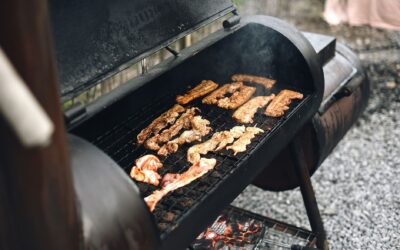
If your smoker is not getting hot enough, the most common cause is insufficient airflow, often due to a clogged vent or ash buildup. Without enough oxygen, the fuel cannot burn efficiently, and the temperature stays stuck well below your target. This issue can also stem from low fuel, wet charcoal or wood, a faulty thermometer, or even cold outdoor conditions. Identifying the specific cause quickly saves you time and helps you get back to smoking.
Clogged Air Vents Restricting Oxygen
Smokers rely on controlled airflow to maintain heat. Both intake and exhaust vents must be open enough to let oxygen feed the fire. When ash, grease, or debris blocks these vents, the fire starves and temperatures drop.
Check your bottom intake vent and top exhaust vent for obstructions. Even a partial blockage can keep a smoker from getting hot enough. Clean them thoroughly before every cook to ensure consistent airflow.
Ash Buildup Smothering the Fire
Ash accumulates quickly during long smokes, especially with charcoal or wood. A thick layer of ash insulates the fuel, preventing it from reaching full combustion temperature. This is a common reason why a smoker is not getting hot enough after several hours of cooking.
Remove excess ash regularly, especially around the firebox or charcoal grate. Use a small shovel or shop vacuum to clear it out without disturbing the lit coals. Keeping the ash level low helps maintain steady heat.
Insufficient or Wet Fuel
Running low on charcoal or wood is an obvious but often overlooked cause. If you started with too little fuel, the fire may never reach your desired temperature. Wet fuel is another culprit, as moisture must evaporate before the fuel can burn, wasting energy and lowering heat.
Always start with more fuel than you think you need, and store it in a dry place. Use a chimney starter to ensure charcoal is fully lit before adding it to the smoker. Damp wood or charcoal will make it nearly impossible to get your smoker hot enough.
Faulty or Inaccurate Thermometer
Sometimes the smoker is actually at the right temperature, but the built in thermometer reads low. Many stock thermometers are inaccurate, especially on budget smokers. A false reading can make you think your smoker is not getting hot enough when the real problem is the gauge.
Test your thermometer by placing it in boiling water (it should read 212°F or 100°C at sea level). If it is off by more than a few degrees, replace it with a reliable probe thermometer. This simple fix often resolves temperature confusion.
Outdoor Temperature and Wind
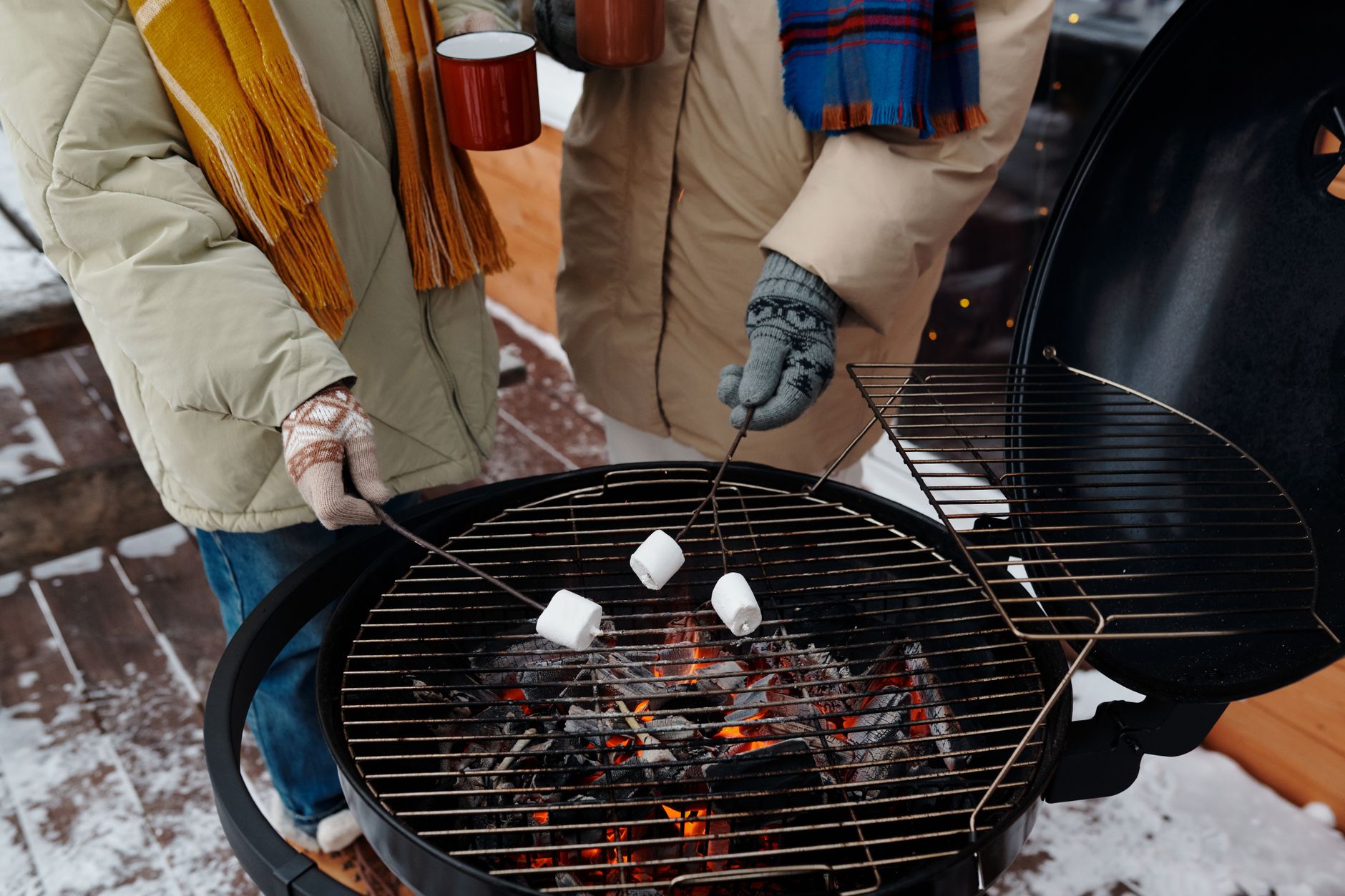
Cold weather, wind, and rain can all steal heat from your smoker. In winter, the ambient temperature may be so low that the smoker struggles to reach and hold target temperatures. Wind can also accelerate heat loss and disrupt airflow.
Place your smoker in a sheltered spot, out of direct wind. Use a welding blanket or insulated smoker cover in cold conditions. You may need to open vents slightly more to compensate for the colder air.
How to Fix a Smoker That Won’t Get Hot Enough
- Clear all air intake and exhaust vents of ash and debris.
- Remove excess ash from the firebox or charcoal grate.
- Use dry, high quality charcoal or wood, and add extra fuel if needed.
- Verify your thermometer’s accuracy with a boiling water test.
- Shelter the smoker from wind and cold, or use insulation.
While not directly about smokers, the logical approach to diagnosing equipment issues can be useful.
Frequently Asked Questions
Why does my smoker lose heat when I open the lid?
Opening the lid lets out hot air and introduces cooler outside air, causing a sudden temperature drop. This is normal, but frequent opening can make it hard for the smoker to recover. Limit lid openings to essential checks only.
Can too much smoke cause low heat?
Excessive smoke usually means incomplete combustion, which can indicate poor airflow or wet fuel. While some smoke is normal, thick white or billowing smoke signals inefficient burning that can lower temperatures. Adjust vents to achieve thin, blue smoke.
How long should it take for a smoker to reach 225°F?
Most charcoal smokers need 30 to 45 minutes to stabilize at 225°F, while electric or gas models may heat faster. If it takes longer than an hour, check your fuel level, airflow, and thermometer accuracy. Patience is key, but consistent delays indicate a problem.
Does the type of charcoal affect temperature?
Yes, lump charcoal burns hotter and faster than briquettes, while briquettes offer more consistent, longer lasting heat. For low and slow cooking, briquettes are often preferred. If you need higher heat for searing, lump charcoal may be a better choice.
Related Guides
- Smoker Temperature Keeps Dropping
- Electric Smoker Not Heating Up?
- How to Maintain Temperature in a Smoker
Closing
If your smoker is not getting hot enough, the fix is usually simple: check airflow, fuel, and your thermometer. Start with the most common cause and work your way down the list.