If your gas grill is not getting hot enough, the most common cause is a restricted gas flow from a clogged burner, a nearly empty tank, or a tripped regulator. A grill that struggles to reach high heat can ruin a cookout, but the fix is often simple and takes just a few minutes. Understanding why the flame is weak helps you diagnose the issue without replacing parts you don’t need. Below are the most likely reasons your gas grill is not getting hot enough and exactly what to do about each one.
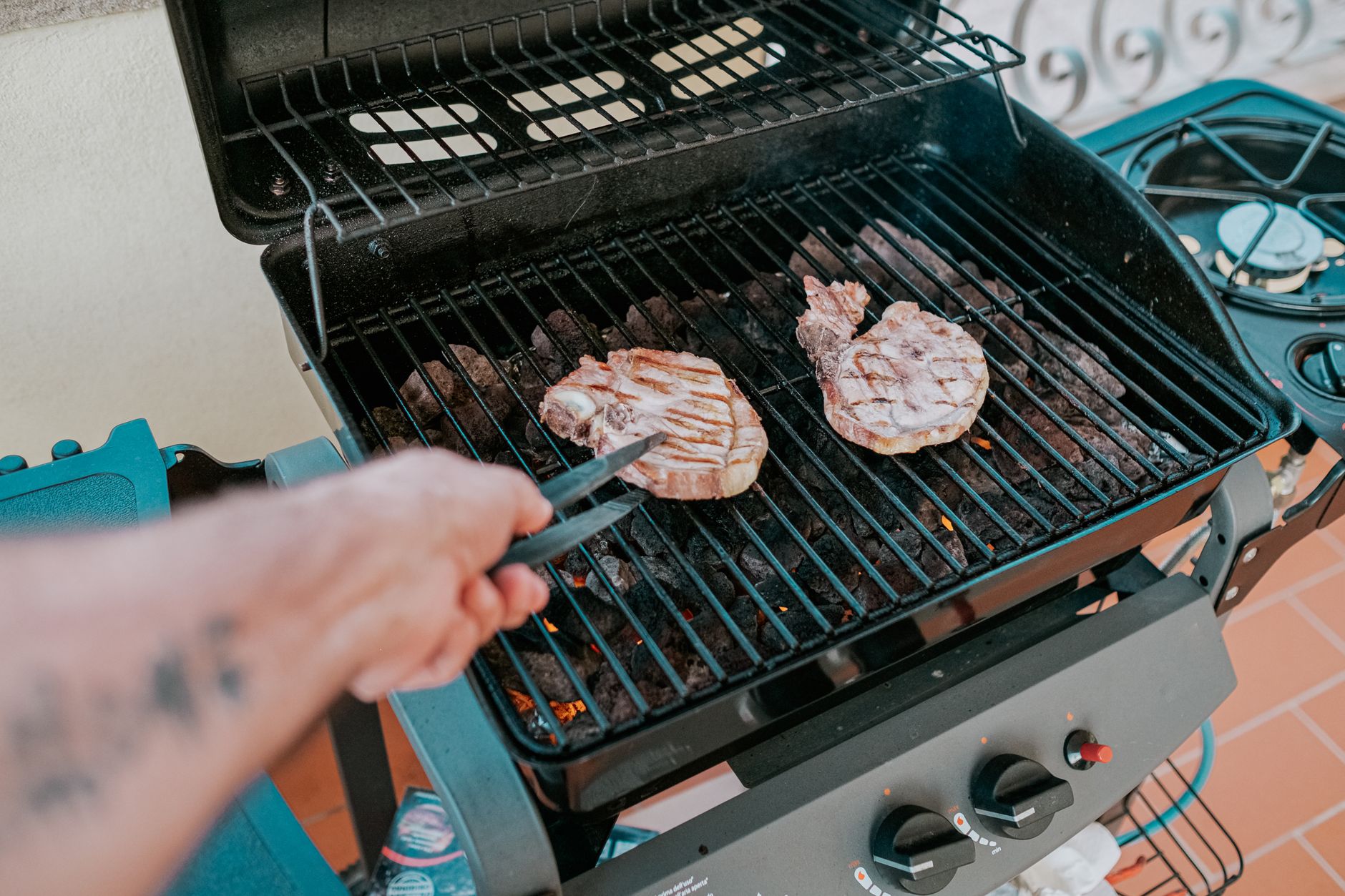
Low Propane or Empty Tank
The first thing to check when your gas grill is not getting hot enough is the fuel level. A tank that is low on propane delivers less pressure to the burners, resulting in a weak flame. Even if you think you have enough fuel, the tank may be nearly empty, especially if you have grilled several times since the last refill.
You can test this by disconnecting the tank and weighing it. A full 20-pound propane tank weighs about 37 pounds, while an empty one weighs around 17 pounds. If the tank feels light, swap it for a full one and see if the grill heats up properly.
Clogged Burner Tubes or Ports
Grease, food debris, and rust can block the burner tubes or the small ports where gas exits to create flames. When these ports are clogged, the gas flow is uneven, and the grill cannot reach its maximum temperature. This is one of the most frequent reasons a gas grill is not getting hot enough after a season of use.
To fix this, remove the burner tubes and clean them with a stiff wire brush or a pipe cleaner. Pay special attention to the small holes along the burner. If the tubes are heavily rusted or corroded, replacing them is the best option.
Faulty or Tripped Regulator
The regulator controls the gas pressure from the tank to the grill. If it gets tripped, often by opening the tank valve too quickly, it can reduce gas flow to a trickle. A tripped regulator is a common cause of a gas grill not getting hot enough, and the fix is simple.
Turn off the grill and the tank valve. Disconnect the regulator from the tank, then reconnect it slowly. Open the tank valve gently and wait a few seconds before lighting the grill. This resets the regulator and restores full gas flow.
Blocked Gas Line or Hose
A kinked, pinched, or blocked gas hose can restrict gas flow just like a clogged burner. Check the rubber hose between the tank and the grill for any bends, cracks, or obstructions. Even a slight kink can reduce pressure enough to make your gas grill not getting hot enough.
If the hose is damaged, replace it immediately. Do not attempt to repair a cracked hose with tape. A damaged hose is a safety hazard and should be replaced with a new one rated for propane use.
Incorrect Air-to-Fuel Mixture
Most gas grills have an air shutter near the burner that controls the mix of air and gas. If the shutter is too open or too closed, the flame may be yellow and weak instead of blue and hot. An improper air-to-fuel mixture can cause your gas grill not getting hot enough even when everything else is fine.
To adjust it, look for a small metal sleeve or screw near the burner. Loosen it slightly and rotate the shutter until the flame burns blue with a sharp cone. Tighten the screw to lock it in place.
Cold Weather or Wind
Propane does not vaporize well in very cold temperatures. If you are grilling in winter or in a windy spot, the grill may struggle to maintain high heat. Cold weather can make a gas grill not getting hot enough simply because the fuel is not vaporizing fast enough.
Move the grill to a sheltered area if possible, or use a wind guard. In freezing temperatures, consider using a propane tank heater or switching to a larger tank that provides more surface area for vaporization.
How to Fix a Gas Grill That Is Not Getting Hot Enough
- Check and replace the propane tank if it is low or empty.
- Clean the burner tubes and ports with a wire brush or pipe cleaner.
- Reset the regulator by turning off the tank and reconnecting it slowly.
- Inspect the gas hose for kinks or damage and replace if needed.
- Adjust the air shutter to achieve a blue flame.
- Protect the grill from cold weather and wind.
If you have tried all of these steps and your grill still is not heating properly, the issue may be a more complex internal problem.
Related Guides
Frequently Asked Questions
Why is my gas grill only reaching 300 degrees?
A 300-degree maximum temperature usually indicates a gas flow restriction. Check the propane level, clean the burner ports, and reset the regulator. In many cases, a simple cleaning restores full heat output.
Can a dirty grill cause low heat?
Yes, a dirty grill can block gas flow and reduce heat. Grease buildup inside the burners or on the cooking grates can also insulate the heat, making the grill seem less hot than it actually is. Regular cleaning prevents this.
How do I know if my gas grill regulator is bad?
A bad regulator often causes low flame output even when the tank is full. If resetting the regulator does not restore heat, and the burner tubes are clean, the regulator may need replacement. You can test this by swapping in a known good regulator.
Why does my grill flame look orange or yellow?
An orange or yellow flame means the air-to-fuel mixture is off. Adjust the air shutter until the flame burns blue. Yellow flames can also indicate dirty burners or a blocked gas line, so clean those first.
A gas grill not getting hot enough is almost always a fixable issue. Start with the simplest checks like the propane level and burner cleanliness, then move to the regulator and air mixture.