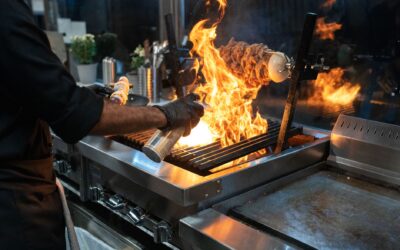
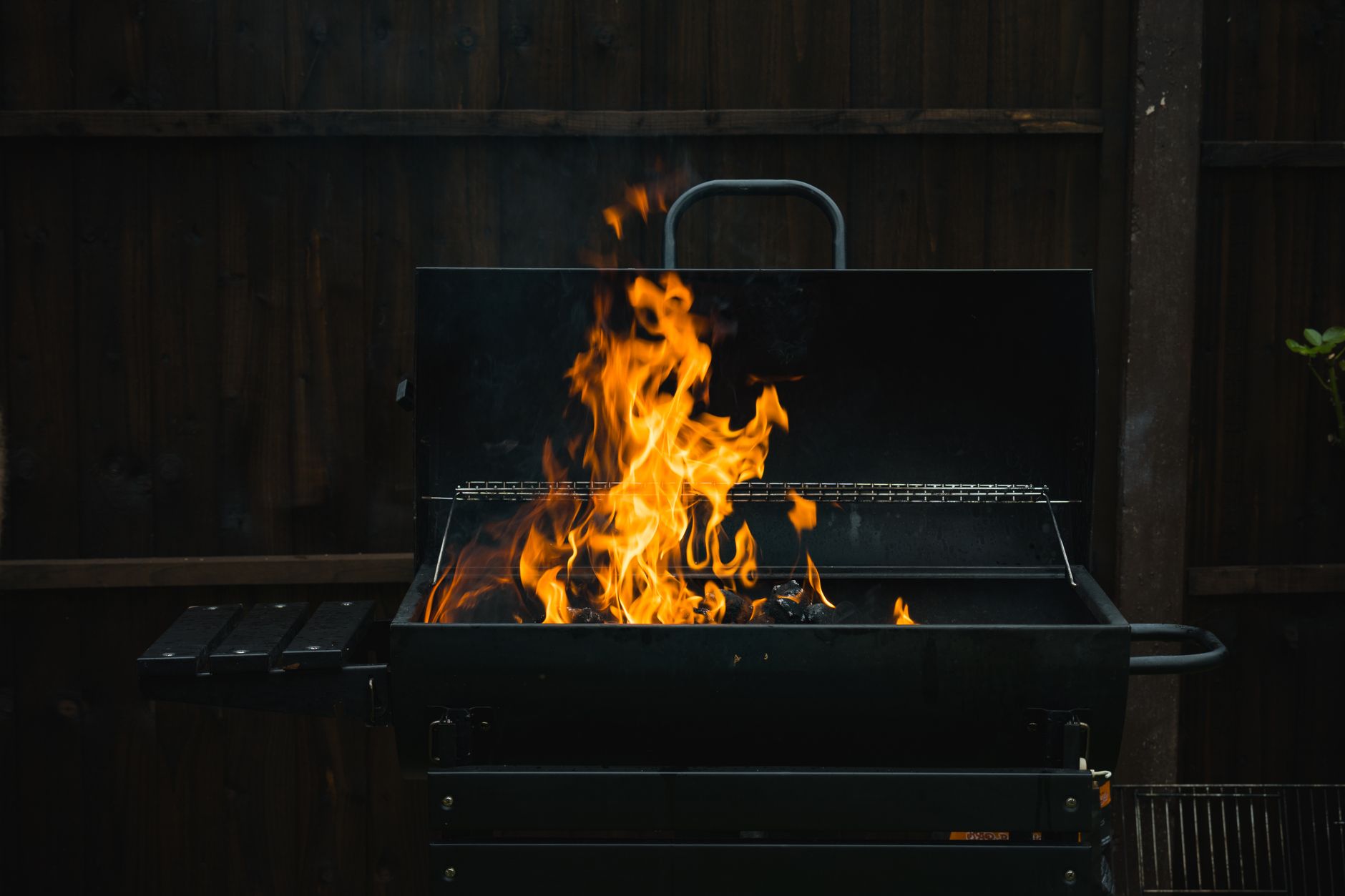
Your gas grill keeps flaring up because excess grease or food particles are igniting inside the cooking chamber, often combined with too much oxygen from an open lid or high burner settings. This happens when fat drips onto hot burner covers or lava rocks, vaporizes, and then catches fire. Understanding the specific cause is the first step to preventing those sudden, dangerous flames.
Grease Buildup on Burner Covers and Flavor Bars
The most common reason for repeated flare-ups is accumulated grease on the metal plates or ceramic bars that sit above your burners. Over time, rendered fat from previous cooks hardens into a sticky layer. When you fire up the grill for your next meal, that residue heats up and eventually ignites, sending flames licking up around your food.
Cleaning these components regularly with a grill brush after each use prevents the buildup from reaching a dangerous level. If you notice thick, black crust forming, it is time for a deeper clean with a degreaser or a high-heat burn-off session.
Too Much Fat on the Food Itself
Fatty cuts of meat such as ribeye steaks, chicken thighs with skin, or pork chops release a lot of rendered fat as they cook. When that fat drips directly onto the burner assembly, it vaporizes and ignites almost instantly. This is especially common if you are grilling at high heat without trimming excess fat first.
You can reduce this by trimming visible fat before grilling, or by using a two-zone cooking setup where you sear over direct heat and then move the meat to an indirect area to finish cooking. This gives the fat time to render without causing a continuous flame.
Cooking With the Lid Open
Grilling with the lid up allows a steady stream of oxygen to feed any small flame, turning a minor flare-up into a major one. A closed lid limits oxygen, which helps contain and control flare-ups. Many home cooks leave the lid open to watch the food, but that actually makes the problem worse.
Keep the lid down as much as possible during cooking, especially when grilling fatty foods. Open it only briefly to flip or check doneness. This simple change can dramatically reduce how often your gas grill flares up.
Burner Ports Are Clogged or Dirty
If the small holes along your gas burners become blocked by grease, rust, or spider webs, the gas flow becomes uneven. This can cause irregular flames that are more likely to ignite dripping fat. A burner with clogged ports may also produce a yellow, lazy flame instead of a clean blue one, which is less efficient and more prone to flare-ups.
Inspect your burners at the start of each grilling season. Use a pipe cleaner or a small wire brush to gently clear any obstructions. Make sure the burners are completely dry before you reassemble and light the grill.
Improper Preheating Technique
Many grillers turn all burners to high and immediately place food on the grates. This rapid temperature spike can cause any residual grease to flash over instantly. Instead, preheat with the lid closed for 10 to 15 minutes on medium heat, then scrape the grates clean before adding food.
A gradual preheat allows the grill to reach a stable temperature without creating the extreme heat spikes that trigger flare-ups. Once the grates are hot, a quick brush will remove most loose debris before your food ever touches the surface.
Using the Wrong Type of Grill Grate
Porcelain-coated grates or grates with a non-stick surface can sometimes trap grease in small crevices. When the grill heats up, that trapped grease can ignite. Cast iron grates, while excellent for heat retention, can also hold onto fat if not seasoned properly.
Regardless of the material, regular cleaning after each use is essential. A grill brush with stainless steel bristles works well for most grates, but be sure to check for any loose bristles that could end up in your food.
Excessively High Burner Settings
Running all burners on high for the entire cook creates an environment where any small amount of grease vaporizes and ignites immediately. Most gas grills are designed to cook effectively at medium heat for the majority of the time, with high heat reserved only for searing.
Try dialing back the burners to medium after the initial sear. You will still get good browning and char marks, but with far fewer flare-ups. If you see flames licking up around your food, turn the burners down rather than trying to spray water or move the food away.
How to Fix Flare-Ups on Your Gas Grill
- Clean the burner covers and flavor bars after every few uses to remove grease buildup.
- Trim excess fat from meat before placing it on the grill.
- Keep the lid closed as much as possible during cooking to limit oxygen.
- Inspect and clean burner ports at the start of each season.
- Preheat gradually on medium heat for 10 to 15 minutes before cooking.
- Use medium heat for most of the cook and reserve high heat only for searing.
- If a flare-up occurs, move the food to an indirect heat zone and close the lid until the flames subside.
If you are dealing with persistent issues despite following these steps, your grill may have a deeper problem such as a faulty regulator or a gas leak.
Related Guides
Frequently Asked Questions
Is it normal for a gas grill to flare up occasionally?
Small, brief flare-ups can happen when fat drips onto hot surfaces, especially during high-heat searing. However, frequent or large flare-ups that last more than a few seconds indicate a problem that needs attention, such as excessive grease buildup or a burner issue.
Can I use water to put out a grease fire on a gas grill?
Never use water on a grease fire in a gas grill. Water will cause the grease to splatter and spread the fire, potentially causing burns or damaging the grill. Instead, close the lid and turn off the burners to starve the fire of oxygen.
How often should I deep clean my gas grill to prevent flare-ups?
A deep clean of the burner covers, flavor bars, and interior should be done at least twice per grilling season, or more often if you grill frequently. A quick brush after each use is enough for daily maintenance, but a thorough degreasing every few months prevents heavy buildup.
Does cooking with the lid open always cause more flare-ups?
Yes, cooking with the lid open allows more oxygen to reach any flame, which can turn a small flare-up into a larger one. Keeping the lid closed limits oxygen and helps contain flames, especially during the first few minutes when fat is rendering.
Why does my gas grill flare up even after I cleaned it?
If flare-ups continue after cleaning, check for clogged burner ports, a damaged regulator, or a gas leak. Also, ensure you are not using excessively high heat for the entire cook. Sometimes the problem is not grease but an uneven gas flow that creates hot spots.
Most gas grill flare-ups are caused by a combination of grease buildup, cooking technique, and burner condition. By cleaning regularly, trimming fat, and adjusting your heat settings, you can significantly reduce the risk. For more detailed troubleshooting advice on related tools and equipment, visit our Blog section.