Your drill keeps stopping because of a dying battery, worn carbon brushes, a slipping clutch, or a jammed chuck. These are the most frequent reasons a cordless or corded drill stalls during use. Understanding which cause fits your situation will save you time and frustration.
Battery Issues
The most common reason a cordless drill stops is a battery that is nearly empty or has developed a memory effect. Nickel-cadmium batteries, in particular, lose capacity over time if not fully discharged before recharging. Lithium-ion batteries are more reliable, but they can still fail if the battery pack has a weak cell.
If your drill stops after only a few seconds or under load, try a fully charged spare battery. If the problem goes away, the original battery needs replacement. Battery age also matters: a pack older than three years may no longer hold a useful charge.
Worn Carbon Brushes
Corded drills and many cordless models use carbon brushes to transfer electricity to the motor. Over time, these brushes wear down to a point where they lose contact with the commutator, causing the drill to stop intermittently or lose power.
You may notice a sparking sound from the motor or the drill only runs when you tap it. Replacing the brushes is a simple fix: remove the brush caps, slide out the old brushes, and insert new ones. Check your drill’s manual for the correct brush size and part number.
Clutch Slipping
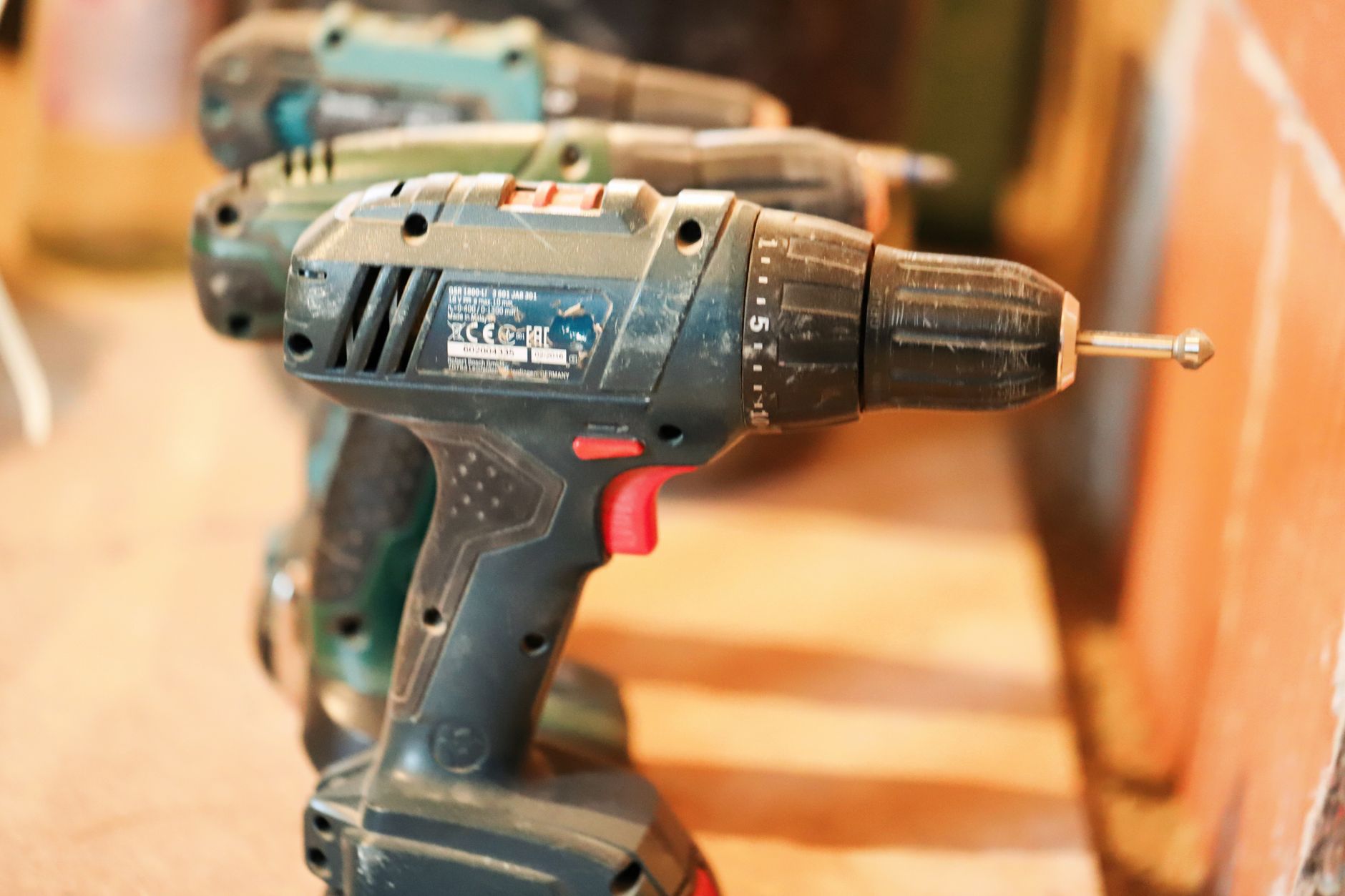
Most modern drills have an adjustable clutch that limits torque to prevent stripping screws. If the clutch is set too low for the task, it will disengage and stop the drill from turning, even though the motor is still running. You will hear a clicking or ratcheting sound when this happens.
Turn the clutch adjustment ring to a higher number or to the drill symbol (which locks the clutch). If the drill now works normally, the clutch setting was the issue. This is not a malfunction, just a setting that needs adjusting.
Jam or Overload Protection
Many drills have a built in overload protection circuit that shuts off the motor if it gets too hot or draws too much current. This is common when drilling into dense material like concrete or metal without proper lubrication or a sharp bit.
If your drill stops suddenly and feels hot to the touch, let it cool for 15 to 30 minutes. Avoid forcing the drill once it resumes; use a slower speed and let the bit do the work. If the problem repeats, the bit may be dull or the wrong type for the material.
Chuck or Bit Issues
A loose or dirty chuck can cause the bit to slip, making the drill appear to stop. If the bit spins freely inside the chuck while the drill body vibrates, the chuck needs tightening or cleaning.
Open the chuck fully and wipe out any debris with a cloth. Tighten it securely around a clean bit. If the chuck still slips, it may be worn and require replacement. For keyless chucks, ensure you are gripping the chuck firmly enough when tightening.
Trigger or Switch Failure
A faulty trigger switch can cause intermittent power loss. If your drill stops when you release pressure on the trigger or when you move the drill in a certain way, the switch contacts may be dirty or damaged.
Try spraying electronic contact cleaner into the trigger mechanism while working the trigger on and off. If that does not fix the issue, the switch likely needs replacement. This is a common repair on older drills that have seen heavy use.
How to Fix a Drill That Keeps Stopping
- Check the battery charge level and swap in a fully charged spare if available.
- Inspect and replace carbon brushes if they appear shorter than one quarter inch.
- Adjust the clutch setting to a higher number or drill mode.
- Allow a hot drill to cool down before resuming work.
- Clean and tighten the chuck, and use a sharp, appropriate bit.
- Test the trigger switch with contact cleaner and replace if needed.
If you have tried these fixes and your drill still stops, the motor or internal wiring may be damaged. For cordless drills, a complete battery replacement is often more cost effective than repairing the drill itself.
Frequently Asked Questions
Why does my drill stop when I apply pressure?
This usually means the clutch is slipping because the torque setting is too low for the resistance. Increase the clutch number or switch to drill mode. It can also indicate a dull bit that requires more force than the clutch allows.
Can a bad battery cause a drill to stop intermittently?
Yes, a failing battery pack can cause intermittent power loss. A weak cell in a lithium ion pack will trigger the battery management system to shut off the drill to protect the cells. This often happens under load, even when the charge indicator shows some power remaining.
Why does my drill run for a second then stop?
This is a classic sign of a dead or dying battery that cannot deliver current under load. The drill starts with no resistance, but as soon as you apply pressure, the voltage drops and the drill stops. Try a fresh battery first.
How do I know if my drill brushes are worn?
Look for visible sparks coming from the motor vents, a burning smell, or a drill that runs only when you tap it. Remove the brush caps and check the brush length. If they are shorter than one quarter inch, replace them.
Is it safe to keep using a drill that stops?
It depends on the cause. A slipping clutch or low battery is safe to address. However, if the drill stops due to overheating or a sparking motor, continued use can damage the tool or cause injury. Let it cool and inspect for damage.
Related Guides
- Best Cordless Drill for Concrete
- Best Cordless Drill for Home Use
- Top Cordless Drills Under $200
- Best Impact Driver for Lug Nuts in : Top Cordless Wrenches Reviewed
Closing
A drill that keeps stopping is almost always fixable with a simple battery swap, brush replacement, or clutch adjustment.