If your soundbar keeps disconnecting from your TV, the most common causes are wireless interference, outdated firmware, or a loose HDMI or optical cable connection. Start by checking your cable connections and restarting both devices, as this resolves many temporary glitches. For persistent dropouts, interference from nearby Wi-Fi networks or Bluetooth devices is often the culprit, especially if your soundbar uses a wireless subwoofer or rear speakers. Understanding these root causes helps you troubleshoot efficiently without replacing equipment unnecessarily.
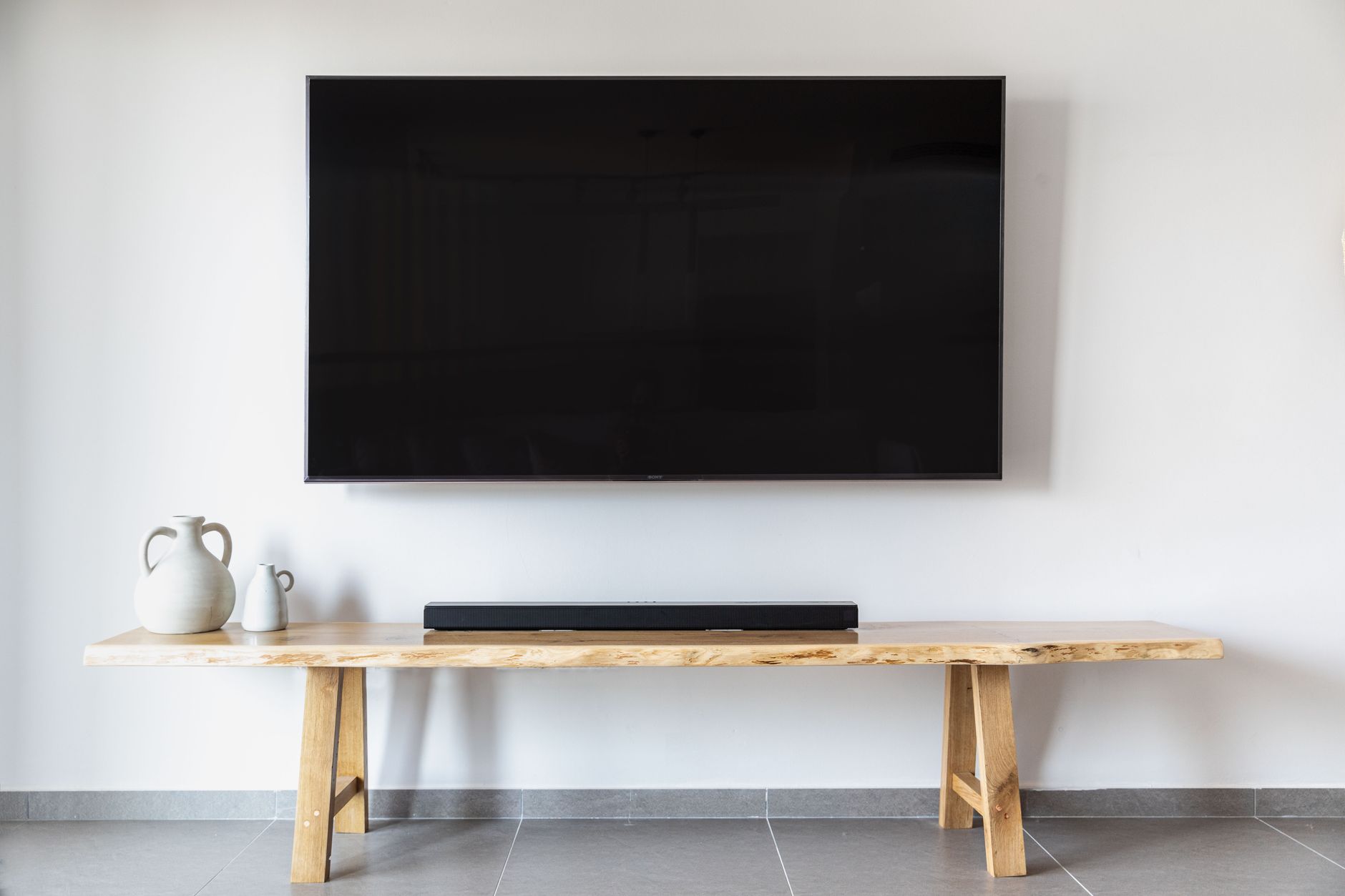
Wireless Interference from Other Devices
Wireless interference is a leading reason a soundbar keeps disconnecting from TV. Many soundbars use Bluetooth or a proprietary 2.4 GHz wireless connection to communicate with a subwoofer or rear speakers. If your home has multiple Wi-Fi networks, cordless phones, baby monitors, or even microwave ovens operating on the same frequency band, signal congestion can cause dropouts.
To test for interference, move your soundbar and its wireless subwoofer closer together, ideally within 10 feet of each other. Temporarily turn off nearby wireless devices one at a time to see if the disconnection stops. If it does, repositioning your router or switching your Wi-Fi to the 5 GHz band can often solve the problem.
HDMI ARC or eARC Connection Issues
An HDMI ARC (Audio Return Channel) or eARC connection is the most common wired link between a soundbar and TV, and it is also a frequent source of disconnection problems. A loose HDMI cable, a damaged port, or incompatible HDMI-CEC settings can cause the soundbar to lose audio intermittently or disconnect entirely.
First, ensure the HDMI cable is fully inserted into both the TV and soundbar. Try a different HDMI cable rated for ARC or eARC support. Then, check your TV’s audio settings: disable any HDMI-CEC features (often labeled Anynet+, Bravia Sync, or Simplink) temporarily to see if the disconnection stops. Some TVs have a separate “eARC mode” that may need to be enabled manually.
Outdated Firmware on Soundbar or TV
Outdated firmware on either your soundbar or TV can cause compatibility glitches that lead to frequent disconnections. Manufacturers release updates to fix known bugs, improve wireless stability, and maintain compatibility with newer TV models or streaming devices.
Check your soundbar’s settings menu for a firmware update option, often accessible via a USB download or a Wi-Fi connection. Similarly, update your TV’s firmware through its network settings menu. After updating, restart both devices and test the connection. This simple step resolves many intermittent disconnection issues.
Bluetooth Pairing and Range Problems
If you connect your soundbar to your TV via Bluetooth rather than HDMI or optical, the soundbar keeps disconnecting from TV due to range limitations or pairing conflicts. Bluetooth has a typical range of about 30 feet, but walls, furniture, and other electronics can reduce that significantly. Additionally, if your soundbar is paired with multiple devices, it may switch connections unexpectedly.
Unpair all devices from your soundbar and then pair only your TV. Keep the soundbar within direct line of sight of the TV and no more than 15 feet away. Avoid placing the soundbar inside a cabinet or behind a closed door, as physical barriers weaken the signal.
TV Audio Output Settings Misconfiguration
Incorrect audio output settings on your TV are a surprisingly common reason a soundbar keeps disconnecting. Many TVs have multiple audio output options, such as PCM, Dolby Digital, or Auto. If the TV is set to an unsupported format, the soundbar may drop the connection or produce no sound at all.
Navigate to your TV’s audio settings and try changing the digital audio output to PCM or Bitstream. If your soundbar supports Dolby Digital, select that option. Also, disable any audio synchronization or “lip sync” features temporarily, as these can interfere with the handshake between devices.
Power Save or Auto Power Off Features
Many soundbars include an auto power-off or power-save feature that turns off the device after a period of inactivity to conserve energy. If your soundbar keeps disconnecting from TV, this feature may be activating during quiet scenes or when audio levels drop below a threshold. This can make it seem like the connection is lost when it’s actually the soundbar powering down.
Check your soundbar’s settings menu for an auto standby or power-save option and disable it if available. Some soundbars allow you to adjust the inactivity timer or turn off the feature entirely. If your soundbar lacks this setting, you may need to keep the volume at a moderate level or use a constant audio source to prevent it from powering down.
How to Fix a Soundbar That Keeps Disconnecting from TV
Here is a step-by-step list of actions to resolve each common cause. Work through them in order until the disconnection stops.
- Check all cable connections: reseat HDMI, optical, and power cables firmly.
- Restart both the TV and soundbar by unplugging them for 30 seconds.
- Move wireless devices (router, phone, baby monitor) away from the soundbar.
- Update firmware on both the TV and soundbar to the latest version.
- Change TV audio output to PCM or Bitstream instead of Auto.
- Disable HDMI-CEC and auto power-off features temporarily to test.
- If using Bluetooth, unpair all devices and re-pair only the TV.
If you have tried these fixes and the issue persists, the problem may be related to your TV’s internal hardware or a deeper compatibility issue.
Frequently Asked Questions
Why does my soundbar disconnect when I change the TV input?
When you change the TV input, the audio handshake between the TV and soundbar may reset. This is normal for some HDMI ARC connections. If the disconnection lasts more than a few seconds, ensure your TV’s HDMI-CEC settings are enabled, as they manage the handshake process.
Can a faulty HDMI cable cause my soundbar to keep disconnecting?
Yes, a damaged or low-quality HDMI cable is a common cause. HDMI cables that are not rated for ARC or eARC, or those with bent pins, can cause intermittent signal loss. Try replacing the cable with a certified High Speed HDMI cable that supports ARC.
Does Wi-Fi interference affect soundbar connections?
Yes, especially if your soundbar uses a 2.4 GHz wireless connection for its subwoofer or rear speakers. Nearby Wi-Fi networks, cordless phones, and even microwaves can cause interference. Switching your router to the 5 GHz band or moving the soundbar away from other electronics can help.
Why does my soundbar disconnect only during quiet scenes?
This is often due to the soundbar’s auto power-off feature, which activates when audio levels drop below a threshold. Disable the auto standby or power-save setting in your soundbar’s menu. Some TVs also have a “audio leveling” feature that can prevent this.
Should I use HDMI ARC or optical cable for a stable connection?
HDMI ARC is generally more reliable because it supports higher-quality audio formats and allows the TV to control the soundbar’s power and volume. However, if you are experiencing disconnections with HDMI, try an optical cable as a temporary test to isolate the issue to the HDMI port or cable.
Related Guides
Final Thoughts
A soundbar that keeps disconnecting from your TV is usually caused by wireless interference, a loose cable, or a misconfigured setting, not a broken device. By systematically checking each cause, you can often restore a stable connection without spending money. For more electronics troubleshooting tips, explore our Electronics category for related guides.