
If your blender is leaking from the bottom, the most common cause is a worn or improperly seated gasket or seal between the jar and the blade assembly. Over time, the rubber gasket that creates a watertight seal can dry out, crack, or shift out of place, allowing liquid to escape during blending. Other frequent culprits include overfilling the jar, a cracked blender jar, or a loose blade base. Identifying the exact source of the leak is the first step to fixing it quickly and avoiding a sticky mess on your counter.
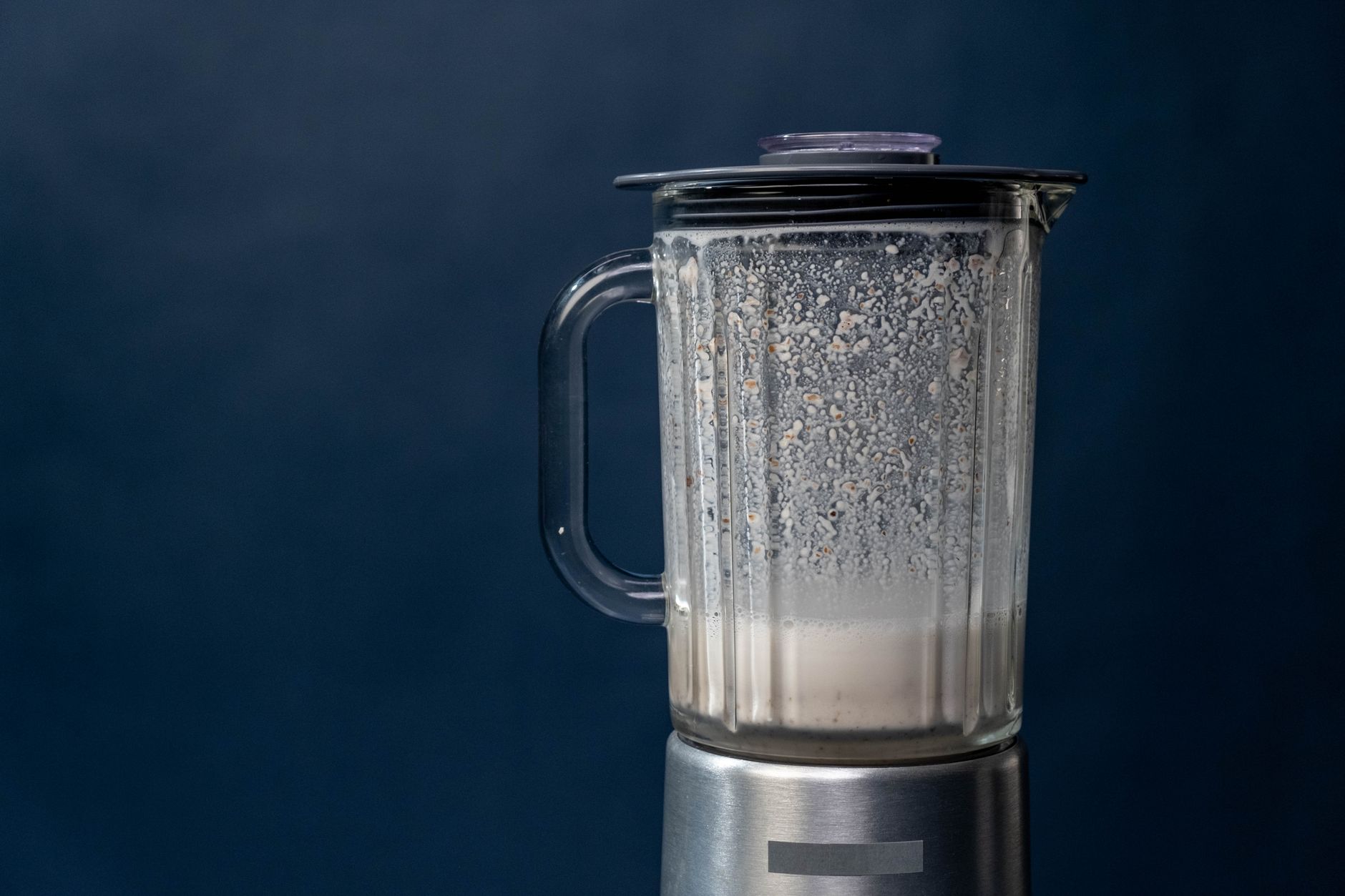
Worn or Damaged Gasket or Seal
The gasket, also called a seal or O-ring, sits between the blender jar and the blade assembly. Its job is to compress when you tighten the blade base, forming a leak-proof barrier. With repeated use, heat, and exposure to acidic ingredients, this rubber part can harden, crack, or lose its elasticity. Once that happens, even a small gap is enough for thin liquids to seep through.
Inspect the gasket by removing the blade assembly and looking for any visible cracks, warping, or flat spots. If it feels brittle or has lost its flexibility, replacement is the only reliable fix. Many blender models use a standard gasket that you can order online or find at a kitchen supply store. Replacing it is often cheaper than buying a new jar or blender.
Gasket Not Properly Seated
Sometimes the gasket itself is fine, but it is not sitting correctly in its groove. This can happen after cleaning if you reassemble the blender in a hurry. The gasket might be twisted, pinched, or sitting slightly off-center, creating a gap that liquid can escape through.
To check this, remove the blade assembly and gasket, then reseat the gasket carefully in its channel. Make sure it lies flat and evenly all the way around. Then reattach the blade base and tighten it securely, but do not overtighten, as that can also distort the seal. A quick visual check before each use can prevent this issue.
Loose Blade Assembly
The blade assembly screws or twists onto the bottom of the blender jar. If it is not tightened enough, or if it has loosened over time from vibration during blending, liquid can leak past the threads. This is especially common with blenders that have a removable blade base for easy cleaning.
Simply remove the jar, turn it over, and check that the blade assembly is hand-tight. Tighten it firmly, but avoid using tools that could over-torque and crack the jar. If the threads are stripped or damaged, the entire blade assembly may need replacement.
Cracked Blender Jar
A hairline crack in the blender jar, especially near the base, can cause a slow leak that is easy to miss. Plastic jars are more prone to cracking than glass ones, especially if you blend hot liquids or drop the jar. Even a tiny crack can widen under the pressure of blending.
To check for a crack, empty and dry the jar, then fill it with water and look for any moisture seeping out along the sides or bottom. You can also hold the jar up to a light to spot thin cracks. A cracked jar is not repairable and must be replaced for safety and to prevent further leaking.
Overfilling the Blender Jar
Blenders have a maximum fill line for a reason. When you exceed it, the expanding liquid during blending has nowhere to go. It can push past the seal at the top of the jar or force its way out through the bottom seal if the jar is overfilled and the lid is on tight.
Always check the fill line on your blender jar, which is usually marked clearly. For hot liquids, leave extra headspace because steam expands. If you need to blend a larger batch, do it in smaller portions. This simple habit can prevent many leaks and also reduces strain on the motor.
Improper Assembly After Cleaning
After washing your blender, it is easy to reassemble it incorrectly. The gasket might be left out entirely, the blade base might be cross-threaded, or the jar might not be aligned properly with the base. Any of these mistakes can cause immediate leaking the next time you use it.
Always follow the manufacturer’s instructions for reassembly. A common tip is to place the gasket in the jar first, then the blade assembly, and then tighten from the bottom. Taking an extra 30 seconds to double-check each part can save you from a counter full of smoothie.
How to Fix a Blender Leaking From the Bottom
Here is a step-by-step checklist to diagnose and fix your blender leak based on the most common causes:
- Inspect the gasket for cracks or wear; replace if damaged.
- Reseat the gasket properly in its groove, ensuring it is flat and centered.
- Tighten the blade assembly firmly by hand.
- Check the blender jar for cracks; replace if found.
- Avoid overfilling the jar beyond the max fill line.
- Reassemble the blender carefully after cleaning, following the manual.
If these steps do not solve the problem, the leak may be coming from a worn motor base or a faulty switch, which is less common.
Frequently Asked Questions
Can I use my blender if the gasket is worn?
It is not recommended. A worn gasket will allow liquid to leak into the motor base, which can cause electrical damage or short circuits. Replace the gasket before using the blender again to avoid costly repairs.
Why does my blender leak only when blending thick mixtures?
Thick mixtures create more pressure inside the jar, which can force liquid past a seal that holds fine with thin liquids. This often points to a gasket that is slightly loose or has lost its sealing ability under higher pressure. Check the gasket and tighten the blade base.
Is it safe to blend hot liquids in a blender?
Only if your blender is specifically rated for hot liquids. Hot liquids expand and create steam, which increases pressure and can cause leaks or even blow the lid off. Always leave extra headspace and use a towel over the lid when blending hot contents.
What should I do if my blender leaks from the bottom after replacing the gasket?
Double-check that the new gasket is the correct size and shape for your model. It should fit snugly in the groove without being forced. Also ensure the blade assembly is tightened evenly. If the leak persists, the jar or blade assembly may be warped or cracked.
Related Guides
Final Thoughts
A blender leaking from the bottom is almost always traceable to a simple issue like a worn gasket, loose blade assembly, or overfilling. By systematically checking each possible cause, you can usually fix the problem in minutes without needing a new blender.